Blog

Phantom Menace: Why Google Thinks Your ATS Is Spam.

how-google-reads-your-ats-620x320It’s always great when people within the recruiting business share information, as I believe it helps us all serve our clients and candidates better in the long run. An article entitled Applicationgeddon – Google Thinks Recruiting Systems are Spammy? caught my eye recently.

It’s worth a read, but the gist is that in late April 2015, companies started seeing large drops in applications likely due to decreased web traffic because of recent Google updates.

Hmm, well, that sounds concerning. I decided to take a look to see if “#applicationgeddon” was something we could replicate by examining six major career sites to see if Google really is punishing ATS based sites.

Google Updates: Beware, The Phantom.

google-phantom-update-indifferent-searchesThe author calls out Google’s Phantom update as being a likely reason for this ATS performance drop. This update was dubbed Phantom 2 because there was an apparent update to Google’s algorithm, but Google stayed rather quiet about what the desired effect was.

Since then, they’ve acknowledged that there was an update, and that it focused largely on the quality of the content on the web page. The ‘quality’ of written content appears to be backed up by Searchmetrics’ findings showing that many news-focused websites saw lifts in organic visibility after this update.

Applicant Tracking Systems (ATS) are necessary, crucial tools in the recruitment process from application to hire. In terms of SEO friendliness, user experience, and content quality, however, they can leave a lot to be desired. As my colleague James Ellis points out, job descriptions (and, in many cases, job titles) can be “horribly written, barely comprehensible strings of roughly 500 words of stuff that only barely resembles reality if you squint hard.”

ATS’s appear to be getting friendlier to search bots than they were 3-5 years ago, but even if a search engine can find your page, ranking it highly is a whole new challenge.

Redundant Job Titles.

Redundancy-A-564x376Another issue that the author goes on to talk about is the number of redundant job titles for large companies, and how a search engine like Google could view that as a poor user experience – or as he puts it, “From a content perspective, this doesn’t look great.”

I do agree that it’s not an ideal situation, and I kept this in mind for the clients that I looked into. I focused on a variety of these clients who hire for large volumes of the same position across the country (or globe), and who have many open job recs for the same job title.

In each case, Google had indexed large quantities of the same job title, which eased my concerns a bit.

It’s possible that the minor differences like geography help separate these very similar pages of content. In reality, each one of these is meant for a different end user, and the duplication is an unfortunate side effect of the number of opportunities available.

The Findings.

SEOI took a look at traffic and rankings for six career sites around the time frame mentioned, looking at patterns from April 27th to June 15th and comparing them to the time frame directly beforehand (March 8th – April 26th) in order to make sure our comparison was as up to date as possible.

For the most part, we saw some very nice gains across the board during this time frame, with a couple exceptions. Some findings:

  • Organic search traffic grew for all six sites measured. Five of the six grew by double digits. Whereas the ATS’s mentioned in the article saw declines, we saw above average growth.
  • Apply Click conversions grew for five of the six sites. Most grew by double digits, which doesn’t point to a drop in applications.
  • We did notice an initial drop in organic search traffic from one of the sites, which recovered in mid-May. After the recovery, this site clearly outperformed the previous time frame.

The author makes a point that you should have a mobile-friendly site, and that you should utilize social media and rich media. I definitely agree with that, as social signals and quality of content have been growing signals over recent years.

However, he also states that, “the industry needs to work with Google to see what the recruiting world can do to make sure the search algorithms don’t impact the ATS systems.” I don’t think that Google will ever be this clearly collaborative with any segment of the Internet in their approach to organic search.

Their little Easter Eggs and hints, combined with the rare direct statement (e.g., the Mobile Friendly checker and algorithm update), will be the closest that we’ll get to that.

A career site’s main goal is to get the right opportunity in front of the perfect candidate doing a search query, then get them into the ATS for the interview process, and eventually into the ideal job for them. According to the data, it appears that the sites examined actually benefitted from this Phantom update.

It would seem that if you focus on content, user experience and solid SEO, you’ll be in a great position to benefit from algorithm updates, and to react accordingly if an adverse change occurs.

The Data.

Large Food Chain #1 Large Food Chain #2 Large Telecomm #1 Large Telecomm #2 Large Retailer #1 Large Retailer #2
Overall Traffic +42.5% +28% +5.9% -7.7% +27.5% +9.15%
Organic Search Traffic +55% +15.9% +1.76% +12.8% +41.2% +36.3%
Apply Click Conversions +41% +22.6% +10.2% -10.2% +40% +9.2%

Read more at Meshworking from TMP Worldwide.

james_ellis_tmpAbout the Author: James Ellis is a Digital Strategist for TMP Worldwide, the world’s largest recruitment advertising agency.For more than 15 years, James has focused on connecting cutting-edge technology to marketing objectives. As a digital strategist for TMP Worldwide, he helps some of the largest companies in America answer their most pressing digital questions.

Follow James on Twitter at @TheWarForTalent or connect with him on LinkedIn.

Learn more about TMP Worldwide at www.tmp.com.


How to use Tumblr for Recruiting

How to use Tumblr for RecruitingI can’t remember the last time I used Tumblr – besides maybe a one off campaign where some CEO insisted that we use the platform (which hasn’t happened very often). Just like any other social channel where a company fails to support content with engagement, the two-prong strategy of post and pray didn’t quite work.

If you’re a recruiter, that should sound familiar.

Tumblr seems to be a little like social’s red headed stepchild, especially when it comes to business use – it’s not like you read a ton of success stories or case studies about brands and consumers flocking to Tumblr – in fact, it rarely merits so much as a passing mention.

Which is why I was so surprised to read this little news nugget in a recent Inc. article:

“The Yahoo-owned social blogging platform is experiencing faster growth in active users than Facebook, YouTube, Twitter, Instagram and Pinterest.”

Yeah, I know – the words “growth” and “Yahoo!” in the same sentence seems like some sort of mistake, but the fact is that for all the sexy, shiny new social networks that brands are talking about as potential marketing platforms (sorry, Ello), the fact is that Tumblr, so often overlooked, has somehow suddenly emerged as the new leader in the race to catch up to the “Big 3” social networks (Twitter, Facebook and LinkedIn). As of September 1, 2015, Tumblr hosts over 252 million blogs and more than 116.9 billion posts in total. If you aren’t already, you need to learn how to use Tumblr for recruiting.

Tumblr for Dummies (And A Handy Guide for the Rest of Us)How to use Tumblr for Recruiting

I realize some of you might be reading this and wonder what, the hell, Tumblr actually is. Which is OK, since you’re likely not under the age of 18 and don’t communicate strictly in .gifs.

As a brief refresher, Tumblr is a micro-blogging platform – which basically means (at least in my head) that it’s kinda like Facebook, but with a lower word count limit on posts and more of an emphasis on building followers for exposure instead of building a network of friends.

In fact, Tumblr users can join, post, share and like other people’s posts without ever having to connect with anyone, ever. It’s pretty easy to set up an account, but if you need a simple, step-by-step guide to getting started (or getting back on track), click here. You’re welcome.

Once you’re in, you’ll instantly notice that Tumblr functions a little differently than pretty much any other social network out there. In a world that’s somewhat obsessed with tracking cookies and clicks, Tumblr deemphasizes analytics for what amounts to your own art gallery – without having to worry about running into an old high school friend or that boss you hated at your old job.

One of the primary benefits of Tumblr is that you can post pretty much anything on there, and users do – from blog posts to external links to .gifs to videos and more. That open structure and relative lack of limitations is a big driver behind Tumblr’s user growth – and over the last year, that growth has been co-opted by a steady stream of celebrities and public figures. It’s even created a few celebrities of its own, with top Tumblr users attracting huge followings and fan bases numbering in the millions.

How Tumblr Became the Fastest Growing Social Network

How to use Tumblr for RecruitingIn the Inc. article referenced above, author Oscar Raymundo explains “how Tumblr became the fastest growing social network in just 6 months” as being driven by a combination of the aforementioned star power, its optimization and ease of use on mobile devices, and a steady product release cycle. In looking at Tumblr, if I had to put my thumb on one specific element that’s made this site so successful – it’s the star power.

Let’s face it, most social media users freak out when a platform rolls out changes. Remember those “bring my old Facebook back” campaigns? But somehow, Yahoo! continues to iterate and evolve Tumblr with limited objections from its highly engaged user base.

So, if consumers (and by extension, candidates) are, statistically speaking, all flocking to Tumblr, why haven’t recruiters followed suit? Normally, recruiters become a somewhat ubiquitous presence on any site that supports free job postings, even if there’s no evidence of efficacy. So where the heck are all the employer brand pages and staffing spam we’ve come to accept as a necessary evil of social media?

I’d venture to guess it’s because you, like me, are already too busy spending your time on the handful of other social sites that are a core component of your strategy and use every day – or sites that you’ve actually had some success finding and developing candidates or clients. But, the fact is, while it’s easy to ignore Tumblr, the fact is that it’s becoming too big, and growing too quickly, to keep completely off your radar.

So, once I’d seen the data, I decided it was time to dust off my old Tumblr account and see what had changed since the last time I’d logged on – and how employers and recruiters might be able to actually use Tumblr to attract top talent.

4 Ways Employers & Recruiters Can Use Tumblr

How to use Tumblr for RecruitingIt seems like recruiters always have some network that’s the next big thing – from Empire Avenue to Pinterest to SnapChat, we’ve seen literally dozens of potential contenders come and go in a flurry of content about how awesome these networks are and how you’re just not doing your job as a recruiter unless whatever the hot new network happens to be that week.

The only problem is, these sites are just as quickly abandoned once recruiters realize that they’re just not generating any candidates or creating any recruiting ROI. Hell, it’s hard enough to get meaningful outcomes out of Facebook or Twitter if you’re a recruiter, much less these other sites with much smaller audiences and relatively limited reach.

Upon investigation, I do think there are a few specific case uses for sourcing and recruiting on Tumblr, and I’ve listed them below. But my advice is that if you’re not already on Tumblr, you don’t really have to be unless you have a reason to be there, and the commitment to actually do more than just post jobs and share career content.

But if you’re trying to recruit for one of the following areas, Tumblr just might make sense for you.

1. Gen Y Recruiting: Let’s face it, if you’re on Facebook or Twitter, you’re old. They both have average user ages of over 30, and the fact that these networks keep getting grayer is driving Gen Y to find a special corner of social media where they’re free from getting tagged by their Grandma or, worse, spammed by recruiters or sold stuff by companies.

Tumblr profiles aren’t built to be professional, and really don’t give a whole lot of insight into the user’s work history. So they’re not so great for sourcing, sorry to say.

But Tumblr is a great place to actually put a finger to the pulse of what Gen Y really cares about, how they communicate and how to build a culture that supports their needs (even if they hate that particular buzzword).

After all, 66% of Tumblr users are under 35 years old, and 39% are under 25. It’s the most popular social network among 18-29 year olds, and the fact that it’s demographics are so much younger than other social networks make it an ideal place to target the emerging workforce.

2. Social Media and Creative Roles: By now, everyone already knows how to use Facebook, Twitter and LinkedIn – these sites are all designed to be as idiot-proof as possible (which still doesn’t seem to deter most recruiters). But Tumblr’s relative lack of structure or rules means that it’s a great place to find examples of candidates doing innovative or interesting things on social media, as well as an ideal way to find samples for roles like designers or copywriters (it is a micro-blogging site, after all).

It’s also an ideal place to find social media marketing candidates – Tumblr emphasizes engagement and curation, and if you can build a following on this platform, more traditional B2B social media seems pretty passe and prosaic.

3. Entertainment Industry Recruiting: Like I mentioned before, the celebrity presence on Tumblr has been a significant driver behind its explosive growth. From Taylor Swift (OK, she’s everywhere) to the Walking Dead to the 1975 (it’s a band, not a year, by the way – just ask your kids), Tumblr is like a repository of pop culture that’s actually cool – no Throwback Thursdays or Mashable memes here.

If you want to find candidates who are highly engaged and knowledgeable about what’s now – or to inform your content or knowledge of what candidates actually care about – Tumblr is an ideal platform. OK, so maybe sourcing Taylor Swift fans seems like a scary (and creepy) idea, but for the right company culture, it could be key.

4. Company Careers Pages: Now that Facebook is changing their algorithm (again) to remove any posts it flags as promotional, particularly those coming from company pages that aren’t paying for the privilege of showing up in news feeds, Tumblr could represent an ideal replacement for creating an employer brand focused destination that’s visible and creates reach without ponying up a premium.

After all, it incorporates the emerging media like photos and videos that satisfy the voyeuristic qualities people love about Facebook (or employer branding) without the algorithm that basically turns company pages into a tree falling in the woods. If you want to get heard in a place where there’s not a whole lot of noise, Tumblr could just be a practical solution to your social recruiting problems. But I wouldn’t count on it.

So, Tumblr is hot right now, but as far as using it for recruiting and sourcing, the things that make it so attractive to users could, if other networks are any indication, become quickly eroded if it was widely adopted as part of an employer’s social media strategy. After all, most of the site’s users turn to it specifically to get away from your brand spam in the first place.

Like any other social network, recruiting efficacy isn’t about the medium – it’s about the message. When using social media to recruit, you always have to check out the metrics. And if your social recruiting strategies aren’t working on other sites, Tumblr isn’t the answer to your problems. But it very well could be if you’re having success on social or simply want to extend the reach of the stuff you’re doing that’s already working.

How to use Tumblr for Recruiting

Candidate Experience: What’s In It For Recruiters?

universeWe talk a lot about the concept of ‘auditing’ your own candidate experience; that is, taking a step back and actually seeing what it’s like to apply for a job at your own company. If you’ve done this, you already know what a maddening exercise that ultimately turned out to be; it’s as eye-opening as it is frustrating.

Auditing your current application process is important, because it forces recruiters to address the most fundamental question of candidate experience: how can we put the candidate at the center of the recruiting process?”

You can’t improve candidate experience by approaching the problem as a recruiter, but instead, it’s important to think through things from the point of view of the actual candidate who’s actually experiencing your hiring process.

We often forget candidates when we’re talking about candidate experience, which is ironic but for obvious reasons, it’s their voices that too often get ignored in this industry conversation. And it goes without saying, they’re really the ultimate arbiters of any of this.

Putting the Candidate Back In Candidate Experience.

For-Me-06-23-10-400x393So, how exactly can organizations redesign their recruiting strategies to create a truly candidate centered recruiting process? Start by looking critically at every stage, from application to on-boarding, that a successful candidate must currently navigate on their way to becoming a new hire.

A candidate centered recruiting process should optimize every single touch point along the way and make it as quick and painless as possible.

This requires looking for either creative ways to meet the needs of both your organization and those of the candidates, or, in certain situations, understanding that sometimes, it’s imperative to make a trade-off and sacrifice some of your organizational wants in order to give candidates the experience they deserve. It’s a tradeoff that almost always pays off.

We all can agree that looking for a job kind of sucks. But what, exactly, do candidates hate the most? Here are some of the most common (and persistent) job search challenges candidates complain about:

  • It’s impossible to pull up your careers site on a mobile device, much less apply for a job.
  • You want to know way too much information. Why do you need to know every applicant’s social security number?
  • Your application process takes FOREVER.
  • You left out important details like salary and benefits information from the job description. That’s the kind of stuff people want to know before spending hours filling out an application.
  • You never even acknowledge receiving applications, much less letting anyone know where they stand in the process. Did you even get those resumes?
  • You never provide a timeline of the process or even when you expect to fill the position.
  • Even though there was an in-person interview, you didn’t let anyone but the final candidate know that a decision is made, or why they weren’t selected.
  • You wait forever to make an offer, then expect an answer right away. Talk about double standard.

None of these should really be much of a surprise. I mean, we’re pretty clear on how candidate experience sucks. We know the source of the problem. Well, whoop-de-doo. We’ve known what we can do better for a while, but as much as we talk about improving the candidate experience, these same things keep happening.

It’s not like we ever set out to intentionally make applying for a job with our companies just flat out suck, across the board; it’s one of those things that just kind of happens. And by the time we notice we’ve got a problem, it’s often too late to make what would have otherwise been a pretty easy fix. So, why don’t we fix things in the first place, if we know what’s wrong and what sort of outcomes we’re looking to achieve?

Well, recruiting might not be rocket science, but you wouldn’t know that by the ways in which we layer on complexity to seemingly simple stuff or how we ignore the fundamentals for whatever recruiting tool’s the newest or shiniest that week.

The Hidden Causes of A Crappy Candidate Experience.

tumblr_inline_nhb69fB6H21s3zdxmAll the brainpower and time recruiters have put into figuring out social media probably could have been put to better use.

Instead, we rationalize our bad habits by passing the buck and blaming someone, anyone, but ourselves for the sorry state of candidate experience at our companies.

We’d like to think of ourselves as the victims here, but it’s really your candidates who are getting screwed.

Obviously, candidates only see the tip of the iceberg; there’s a ton more going on behind the scenes than the very narrow scope of interactions with your recruiting team that actually impact their experience. They don’t see how miserable recruiters are having to use that slow, outdated and complex legacy HCM system; they only see how long and complicated that same system makes it to send their resume in for a job posting.

They don’t see that years of paying entire business units or departments well under market has created compression and internal equity issues; they only see that lowball offer you put on the table. And they don’t see the fact that you, as a recruiter, genuinely care about candidate experience. They only see that no recruiter ever seems to call them back, no matter how many applications they submit.

It’s rare these days to see a career site that doesn’t have some sort of section devoted to mission, vision, values or equally aspirational career-related credos,  but talk is cheap. It’s what you do – or don’t do – for your candidates that actually shows what kind of stuff your company is made of.

You may say “our people are our greatest asset,” but for some reason you disrespect them by wasting their time, abusing their confidence or outright ignoring them during your hiring process. You may talk about how awesome your corporate social responsibility and community involvement initiatives are, but you can’t expect people to think you’re really a responsible business when you won’t even give back by sending a “thanks but no thanks” note to candidates no longer under consideration.

You may talk about your values, but it’s clear by treating candidates like crap, your real values are highly suspect, if you have any at all. This is what candidates see on the outside, looking in. This is the stuff that actually impacts your employer brand, not some company blog or employer Facebook page.

Not All Candidates Are Created Equal.

2015-09-24_01-11-57Let’s look at one of the most obvious complaints: your application take forever to finish.

The culprit in most cases is pretty obvious: employers are asking applicants for entirely too much information up front, way more than anyone reasonably needs.

There is no reason you need to know the mailing address of every employer a candidate has had for the last 7 years. Or how many years they’ve been acquainted with their references, the current contact information for someone who was last their direct supervisor a decade ago, or any of the dozens of extraneous questions employers require every candidate to fill out before successfully applying for a job. If they ever get that far.

Why do so many employers ask so much? Is it to ensure compliance in a heavily regulated industry or as part of some very detailed record keeping requirement? Are you also administering a consumer survey or using this data in advanced market research? Look through your application and ask why you ask what you ask. If the answer isn’t obvious, and it’s not required for OFCCP, EOE, AA or any of those acronyms, then axe it from your application.

For example, you require a phone number and e-mail address so you can contact candidates. You ask for salary expectations to make sure you can afford them. You ask if they’re eligible to work in the US because you don’t sponsor visas. These are obvious. But asking for the phone numbers for every company a candidate has worked with for the past decade, or for a list of related college coursework, or any of that other stuff that shows up? C’mon, man. Get rid of it.

You want candidates who click the “apply” button to get in your system, not to screen out anyone who doesn’t have a few hours to waste on filling out form after pointless form.

This is not the best first impression your company can give – and speaks volumes about what working for your company is really like. An arduous, lengthy application process smacks of spreadsheets, piles of manual paperwork and fax machines. If you’re not in financial services or HR outsourcing, then this probably isn’t the message you want to be sending candidates about your company culture.

Big Data, Small Improvements.

image (1)Most recruiting organizations prioritize analytics like cost-per-hire and time-to-fill over much more meaningful metrics like quality of hire or candidate experience, primarily because the latter two are far more difficult to quantify and measure, with far more variables and far less control over outcomes. Speed and spend suffice because they’re easy to track.

When you measure success by these means, it’s not hard to see why candidate experience remains such an issue; recruiters have no real incentive to treat candidates well or take the time to go beyond the bare minimum required to move them through the funnel.

Calling candidates after phone screen to tell them they’re not going to be asked in for an interview, or e-mailing back hundreds of applicants to let them know they aren’t under consideration, are the right thing to do, but they also take time to do.

If your performance as a recruiter is measured primarily by time-to-fill, then there’s more risk than reward for recruiters who go the extra step for candidates – or even lift a finger for them.

Recruiters who are measured on cost-per-hire, similarly, never have to worry about the loss of revenue from those consumers who were shunned as candidates, because that often daunting long term indirect cost isn’t factored into cost-per-hire.

If recruiters aren’t held accountable for candidate experience, then they’re likely to continue ignoring it completely. It’s hard to blame them, really. They’re being asked to keep hiring managers and internal stakeholders happy, reconciling often competing interests and internal politics throughout the recruiting process.

This takes a ton of effort, and for most recruiters, it’s the hiring manager’s experience that requires the white gloves, not the candidate. Most recruiters actually do a decent job updating their hiring managers on who they’ve talked to, what candidates they haven’t heard any feedback on, availability for interviews and where in the process each search stands at any given moment.

Surrendering To A Hire Power.

2015-09-24_01-20-44The biggest process gaps, and candidate experience problems, almost always come from a breakdown in hiring manager-recruiter communication. If a hiring manager refuses to give a recruiter feedback, as often happens, then how the hell can a recruiter convey anything constructive to a candidate? If they want to see who else is out there after a round of interviews, how can a recruiter democratically convey that timeline change to the current round of candidates?

If any of this sounds familiar to you as a recruiter – if you’ve got those problem hiring managers who either take forever to respond, fail to provide feedback or have a habit of no-showing for in-person interviews, then you know how most of your candidates feel about you.

Here’s a secret: good candidates shouldn’t have to suffer because you’re working with a bad hiring manager. Sometimes, you’ve got to take control of what you can control.

So, how can recruiters control candidate experience using a systematic, standardized approach? To start, look at the hiring process end-to-end, and figure out every potential touch point where the candidate and recruiter will interact.

Then, flip the tables and think of what a candidate should reasonably expect from each stage of the process, how long it will take and what response is appropriate for each of these interactions for at least a somewhat satisfactory candidate experience.

This concept isn’t necessarily egalitarian; you should let all candidates know when they’re no longer being considered, but that notification should obviously be far different for someone who’s knocked out before a phone screen versus a runner up who’s successfully gone through the entire process.

As you go through your recruiting process, you’ll see that the top of the funnel is likely high volume, low touch and can be more or less automated; as candidates get closer to an offer, the expectations (and process) for candidate experience expand significantly.

This makes sense; while someone who’s not even remotely qualified probably doesn’t need much more follow up than an automated e-mail, a silver medalist who came this close to an offer might be a fit for a future position, or, more likely, could become great sources for future referrals.

These are the candidates whose experiences recruiters should spend the most time focusing on. Automate away the rest of the stuff and focus on improving the candidate experience where it adds the most value to your recruiting efforts for you and your candidates while keeping waste at a minimum.


When it comes to candidate experience, that’s pretty much the bottom line.

ray (1)About the Author: Ray Tenenbaum is the founder of Great Hires, a recruiting technology startup offering a mobile-first Candidate Experience platform for both candidates and hiring teams. Ray has previously spent half of his career building Silicon Valley startups such as Red Answers and Adify (later sold to Cox Media); the other half of his career was spent in marketing and leadership roles at enterprise organizations including Procter & Gamble, Kraft, Booz & Co. and Intuit. Ray holds an MBA from the University of Michigan as well as a bachelor’s in chemical engineering from McGill University.

Follow Ray on Twitter @rayten or connect with him on LinkedIn.


Sourcing Webinar: How to Stand Out When Recruiting Tech Talent

How do you stand out as a recruiter?

Tech talent. Sourcing has changed.  Are you changing with it? The landscape of finding qualified candidates has evolved from a simple email to a more direct but personalized method. The margin of success between a great recruiter and a failed recruiter is razor thin. The ability to source requires the ability to close and the ability to close requires the ability to tell a story.

So how do you stand out?  What will you do to set yourself apart?  This webinar will show you how.  You aren’t like everyone else.  Don’t settle.

It’s been said that we’re all tech companies now. We’re all competing for the same tech talent from the smallest of coffee shop starts ups to the Googles and Facebooks of the world.

This is the question we answered during this webinar. We talked with Chris Murphy, CEO of Zoomforth as he shared his strategies to connect and engage with the same talent….as ever recruiter is that is on LinkedIn…

Toss away the ebooks and lists and get the facts straight from the source.

In this webinar, you’ll learn how to:

  1. Tell a story the right way and why it matters
  2. Conduct email and inmail campaigns
  3. Avoid recruiter fails at all costs

Recruiting Isn’t Business. It’s Personal.

With global talent shortages, growing skills gaps and increasing competition for qualified individuals, talent acquisition has become much more challenging in recent years. Further complicating the process is that the workforce has never been more diverse.

With five distinct generations in the workplace, each with their own unique wants, needs and expectations, as well as changing attitudes toward work among all generations, trying to attract candidates in this dynamic, ever-changing talent pool can be incredibly frustrating.

And the companies that continue to use a standard message to engage with their desired candidates will only fall further behind.

Personalization and Aggregation: A Delicate Balance.

channelRelevance_592x368In this jobseeker’s market, with employers scrambling to hire the best talent before their competitors do, the same old recruiting techniques no longer work.

Rather than posting a job description and expecting the perfect candidate to walk through the door, employers must actively identify, engage and build relationships with those individuals.

This entails creating a unique message for each type of candidate you seek, and using the right channels to ensure that messaging makes it to the right audience.

Taking such a targeted approach will put the focus of recruiting back on people, rather than process, enabling companies to connect with candidates on a personal level and better attract top talent.

So, what’s the best route to take to get to that point? The key is to leverage data; and with 2.5 quintillion bytes of data created each day, there’s plenty to go around. Through resumes, cover letters, social profiles, “likes,” blogs, comments and more, today’s candidates leave a trail of information that can be used to learn a great deal about them.

The challenge lies in aggregating such data and using it to tailor your recruitment marketing activities in a way that drives engagement and leads to your next great hires.

Candidates Are Consumers, Too.

3980730952_de790a4326To do this effectively, recruiting teams can take a page from their colleagues in the sales department.

Salespeople understand the need to leverage consumer data to find their ideal customers, in order to uncover their purchasing habits and preferences and deliver on-point, personalized communications to get the sale.

How can recruiting take a similar approach?

By adopting the technology solutions that enable recruiters to aggregate relevant data about their candidates, identify what is most meaningful to them, and present targeted content that encourages them to apply.

Leveraging the same tools and techniques salespeople use enables recruiters to deliver the personalized experience so crucial to building relationships with candidates. One of the most effective approaches is the use of sales demo solutions, which enable candidates to select the topics most important to them.

Presenting candidates with a list of topics via email about the company, including career development, location, work/life balance, company awards, culture and more, and having them rate their level of interest in each one, provides the insight into what a candidate values most.

An automated demo solution can then provide relevant content on the topics in which the candidate is most interested, showing how the company can deliver the work experience they seek.

Conversations And Conversions: Rolling Out the Recruiting Red Carpet.

content-personalization-with-marketing-automationBut getting candidates’ interest through an automated pitch is only half the journey. It is then up to company recruiters to build the personal connections that can convert the most qualified talent into their newest employees.

Leveraging the data about the factors most important to candidates will equip recruiters with in-depth knowledge necessary to creating a personalized approach.

This allows them to have more meaningful, targeted conversations about the company and how it can help them meet their personal and professional goals.

Once again, the right technology solution is crucial to making this happen. Today’s candidates want the red carpet treatment, from their first interaction with the company through to the offer and onboarding. As such, employers must leverage the platform that can facilitate this process, treating each candidate like a customer and delivering a one-to-one experience throughout.

And just how salespeople know they must move fast to maintain the customer’s interest, recruiters will benefit from the solutions that enable them to move candidates through the pipeline just as quickly.

This includes being able to conduct key aspects of the talent acquisition process on their mobile devices, thereby allowing recruiters and hiring managers to evaluate candidates and share feedback where and when it is most convenient.  As a result, employers can deliver a high-touch experience throughout the candidate lifecycle, while building deeper relationships with the people they want to hire.

As recruiting the best candidates will only become more challenging, adopting the solutions that can not only streamline key steps in the process, but make them more personal, is key to success. By creating a personalized candidate experience, recruiters can increase interest in their company and be seen as an employer of choice.

Rather than relying on traditional job descriptions or one-sided emails, creating a recruitment marketing strategy around the preferences of the candidate and providing a highly personalized and engaged experience throughout will give companies the competitive hiring advantage they need.

AAEAAQAAAAAAAAMZAAAAJGEyOTJhMjE5LTA2MGQtNDA2Mi04NTNiLWIyZDI0ZjJiODE2NwAbout the Author: Greg Mannon currently serves as a solution consultant for TalentObjects by Lumesse. His innovative and creative approach in recruitment strategy, candidate experience, and outside the box sourcing techniques has won him several awards throughout his career.

Greg’s mission is to help companies create successful strategies that bring in the best talent and keep them coming. He is a full-time father of three and a volunteer firefighter.

Follow Greg on Twitter @GregMannon or connect with him on LinkedIn.

Risky Business: Why You Should Own Your Own Recruiting Data.

tcOver the years, I’ve often written about my experiences as a lifetime recruiter. It’s a life that’s taught me some valuable lessons, to say the very least. Now, I’m going to let you in on a little secret: the key to good recruiting is having a good database. I know, that’s not the sexiest thing in the world, and I’m not trying to seduce you here, but there’s gold in them thar hills.

If your company has a database, whether in an ATS or another centralized repository where you’ve been storing resumes, you’re likely sitting on one of the biggest assets – and best data source – any talent acquisition function has at its disposal.

Trust me, if you’ve got anything even remotely resembling a resume database, there are plenty of people out there willing to pay a pretty penny to be able to access that information.

Even the most rudimentary legacy systems unilaterally have the ability to instantaneously retrieve a candidate’s resume, application history and contact information.

Having that kind of useful information at your fingertips can be a killer competitive advantage for recruiters, even though, I know, databases aren’t the sexiest or shiniest recruiting tool out there. Don’t believe me? Well, I suppose, per my usual style, I might as well tell you a story from back in the day, when I was first starting out on my recruiting journey.

Cue the chimes and the fog machine…

The Curious Case of The Great Magellan Database.

magellan2When I started out at my very first agency, part of my training was having to learn simple search strings that I could use to uncover candidates from within our existing database. When we couldn’t find a candidate, when we didn’t know where to turn or our normal sources of hire uncovered no potential hires, we knew better than to complain.

The answer to everything, according to my manager was, “IT’S ALL IN MAGELLAN!” He’d continuously scream this mantra at the top of his lungs so loud that we’d all cringe and want to kick the crap out of whoever the hell Magellan was for being such a useless know it all. Asshole.

There was actually a heavy metal recording studio a couple floors down from the agency, and the dude was so loud they used to complain about the noise. Stranger than fiction, I shit you not. But I digress.

Not only was Magellan an awesome Portuguese explorer, cartographer and navigator, but his legacy lived on as the namesake for a DOS based database that was the first ATS I ever actually used.

Our actual system of record was actually the old ACT platform – not to get too pedantic – but the owner had purchased Magellan as an add on so that he could somehow store and search across all the resumes he’d collected over the years. Like Magellan, he was a man ahead of his time.

Now, this tool was effective for searches, but as a scanning technology, it proved cumbersome; this was far before anyone had ever even heard the word “parsing,” much less figured out a way to mass upload a bunch of resumes from different sources.

That’s why the owner was forced to pay a handful of interns, who shared a storage closet in the back of the agency and were constantly hunched over their computer screens, manually entering resume data into this system. Talk about shitty jobs.

But while it wasn’t the silver bullet that he was looking for, my boss still maintained that Magellan was the greatest recruiting tool ever created, and that if we needed a candidate, all we needed to do was search the system.

Seriously. He constantly regaled me with tales of how he built this database up from scratch, coding and configuring it with his own two hands, sharpening the system on the cutting edge. Over multiple lunches, he’d tell me how he used to stand in the parking lots of local companies like Motorola, handing out flyers to employees coming out of their buildings into the company parking lot.

It was a prime location, and an even more prime source of targeted talent. These flyers, you see, had detailed job descriptions, as well as a fax number where any interested parties could discreetly drop a resume or letter of interest. This, folks, was what social recruiting was like in the 1980s, and somehow it worked. Now, I know many of you out there are asking, “What’s a fax machine.” I hate all of you, you know. Deep sigh.

That’s not to say Magellan was perfect, though. That system had a ton of persistent and pervasive problems plaguing this purported once and future database. First off, it was slow. Painfully slow. I’m talking about entering a search string and then grabbing a cup of coffee over at the 7-11, taking a crap, and then killing another 20 minutes gossiping with your coworkers before actually getting any results. That thing was not fast. In fact, it was slower than Corky on Life Goes On, or Sophia from the Golden Girls. Sigh. I know. Youth really is wasted on the young, you know.

When the search results finally appeared, I remember the keywords I entered would show up on the matching resumes in a weird yellowish hue, kind of like a digitized, Technicolor highlighter proving I’d succeeded in putting together a decent search term. Thank goodness, because that’s an hour of my life I’ll never get back.

But while the results were easy to see thanks to the bright yellow glow emanating from the resumes, actually looking at each and every resume returned proved to be extremely time consuming, due to both the overwhelming volume of resumes returned as well as the glacial speed of the system itself. Forget candidate experience. Let me tell you, this recruiter experience was frustrating as hell. So I get it.

Not only was it slow, but furthermore, Magellan didn’t actually indicate when the candidate had entered the system, and searching this database returned every relevant resume regardless of how recent the candidates activity actually was. Sure, they applied for something at some point, but in most cases, we discovered that was years ago (that is, if they remembered applying in the first place. Few did).

Consequently, most of the contact information contained in the system was normally obsolete and outdated; precious few of the resumes in there even had an email address, as that technology was just becoming a mainstream recruiting tool. Hey, hang with me until the tar pit sucks me in. Deal?

The final problem with Magellan was that if, by some act of God, the stars aligned and I not only found the right candidate, but somehow the system had accurate contact information for them, I found that reaching candidates wasn’t the same as actually engaging them. Most dismissed me like a redheaded stepchild or a job board sales rep. This was just part of the process, though, and I wasn’t about to argue with my boss.

I knew that pointing out what a piece of shit tool Magellan really was was one battle that wasn’t worth losing. See, my boss friggin’ loved this tool. That thing was his baby, and the dude truly believed that with a little bit of elbow grease, we could use Magellan to rule the recruiting world. Turns out there was only one problem with this genius plan: the internet.

As hard as my boss tried to build his own database, when Monster.com and other online resume repositories came onto the scene, they not only were able to scale to a size that far surpassed the database he was trying to build. Not only that, but with these new job boards, we were able to only see candidates who were looking right now, instead of chasing another cold lead with another cold call.

Say what you will, but job board candidates were the best; it was literally like being a kid in a candy store when online recruiting first entered the picture. These sites had a ton of great candidates who were willing to post their resume and contact information out there for the world of work to find in the hopes that some other employer might bite at the bait. I remember the first time I saw Monster, I thought, “This is going to change everything.”

And it did. For better or for worse.

The Rise of the Online Resume.

chapAs I mentioned, the game changing technology that really altered business as usual in this business was Monster.com. I’m sure you’ve heard of it, and no, it wasn’t always the dustbin of the underemployed and unqualified that it’s become today.

Although we normally think of Monster for being a place to advertise jobs, the real evolution in recruiting came, in my opinion, when they were the first to launch an online resume database in which any job seeker could upload their resume to be found by any recruiter willing to pay the price of admission.

It seems really basic today, but when this functionality first came out, it was a new concept that was widely met with skepticism and disdain by most recruiters. Or at least, that seemed to be the consensus of everyone I talked to in my office.

The owner in particular scoffed at the idea of paying for Monster, insisting that he didn’t believe that any candidate who’d upload their resume into such a tool wasn’t worth hiring, and that achieving any sort of ROI would prove more or less impossible.

Let’s face it, back in those days we were still putting classified ads in print publications and receiving resumes through certified mail or, at best, via fax. While we’d occasionally come across a candidate who was qualified, the time and effort required to actually enter the resume into the database proved prohibitive, and most of our candidates never even made it into the system. It was a pain in the ass, pure and simple. Not worth it.

At that time, we were just starting to have clients who wanted us to email our resume submissions as opposed to faxing (or occasionally mailing) them over. Our largest client back then was American Express, and I remember, for whatever reason, they were very insistent that we only submit candidates via fax, and affix each and every submission with a signed letter of exclusivity (or LOE, as the cool kids called it).

It sucked major balls.

But, they were paying our salaries, more or less, so we shut up and put up. That is, until one day, when all of the sudden, a miracle happened. I remember opening an e-mail from the gatekeeper over at AMEX informing us that e-mail was required for all future resume submissions. That message was like the sun parting the skies with light, and I swear I could hear the voice of angels singing somewhere in my office.

I always found it a little funny they chose e-mail to communicate this communications policy. This also meant, of course, the owner found out about all this second hand and more or less freaked out at the thought of his cash cow going dry. So, he ran to the fax machine, pulled out the plug and forcefully warned that if anyone went near that damned thing, there would be hell to pay. Finally. We had entered the golden age of online recruiting.

Creating A Monster.

trumpAfter much forceful coercion, we finally broke my boss down and got him to agree to shell out for a license for Monster, pointing out that not only were there awesome candidates there who were actually open to communication from recruiters, but they were basically sitting around waiting to be called!

It’s something we take for granted now, but imagine how badass this was to recruiters who had never before used the internet for recruiting or hiring.

We were busy dialing for dollars and getting the occasional faxed resume for our efforts, but suddenly all we had to do was post a freaking position and boom – there were dozens of resumes.

If we wanted a candidate, all we had to do was enter a few keywords, and the resumes appeared, ready to be cut and pasted from a Word Doc directly into Magellan.

Their database fed ours, and both seemed to have a fairly insatiable appetite for fresh candidates. This online recruiting thing, I remember thinking, was obviously the future. Forget Magellan – with all these resumes available to us all the time, there was no longer a need for that clunky search technology, slow ass operating system and dusty, outdated resumes clogging its archaic bowels. Building your own database, I pointed out, seemed to be as obsolete as that shitty software we were using.

My boss shot me a scowl, but I had a case use, having placed my very first candidate through building my first few clunky Boolean strings, pointing out the potential power of online recruiting enough so that I could finally get Monster and become one of the cool kids. I know. Times have changed. But I’ve got to tell you, back in the day, that job board kicked some serious ass, believe it or not.

A few weeks after launching our Monster license, things seemed to be going great. We were producing some great candidates for our newer tech positions, and uncovered some strong software candidates for some of our harder to fill roles. I was flying high.

Until I flew too close to the sun.

The Rescue Voyage of Magellan.

galleonsI remember it happening like it were yesterday. I had just opened a very high level, very lucrative requisition for a full time, exempt Cobol on a VAX/VMS platform for one of our largest clients. If you have no idea what the hell that means, well, now you know how I felt.

But I was determined to close this deal, finally proving once and for all that all I needed to find the right talent at the right time was the right tool, and Monster was that tool we’d all been waiting for. It was going to be case closed.

So, I opened up Internet Explorer and pulled up Monster; I was off and running. In the few months before this, I had never had a single problem finding qualified candidates on Monster who were open to discussing employment opportunities, no matter how niche or specialized that opportunity might be. That is, until now.

I remember entering in what seemed like dozens of searches, from different keyword variations to related skill sets, but I couldn’t find a single, solitary soul online with this skillset. And when I mean no one, I mean there was no one who was even remotely close. I was striking out, and while I’m rarely frustrated, I have to admit in this moment, I wanted to punch Trump, the Monster mascot and Philly Phanatic lookalike, in his stupid ass face.

The only people who even matched any of these keywords on Monster were college students and recent grads at the beginning of their career; the job, however, called for a senior level professional to replace a departmental leader who was retiring after years with the company. While I was new to recruiting, I quickly realized, as I beat my head against the firewall, that I had a flawed hypothesis – and flawed expectations – when it came to the limitations of online recruiting.

I was still in the nascent years of my career, a wet nosed newbie, and I had failed to understand that even though there were new tools and technologies for engaging candidates, most of the executive level talent I was looking for continued to look for jobs through more traditional channels, and largely shied away from publicly posting their resumes. These candidates had been indoctrinated with a certain approach to their job search and interacting with recruiters, and no technology in the world could fix that conservative mindset and traditionalist world view.

These senior level candidates, like so many of their peers (as I’d later discover), were still trying to figure out how the hell to send a fax machine and reconciling themselves with the fact that there were options outside of snail mail. Seriously, this was hard for many of them, who still insisted on sending everything through verified mail. Guess they wanted that stamp of approval (literally).

Case in point, I actually had one of my hiring managers threaten to scold one of my mainframe coders for sending her messages written in ALL CAPS. The issue, it turns out, was that the codebase for the mainframe itself only supported all caps, forcing coders to literally remove the all caps button after they’d finished setting the format.

The point here is that tech professionals, or people in general for that matter, don’t like change. In fact, most friggin’ hate it, frankly. Early adopters are almost always outliers, and in the mid 90s, email was as cutting edge as it got. We’re still trying to figure it out, even after all these years, but while we’ve adopted many new tools and technologies, many candidates continue to resist this change.

For example, many older coders have not yet reconciled themselves with publishing their personally identifiable details on sites like social networks, which many still see as some sort of passing fad. I remember at the dawn of the internet, when job boards were supposed to burn bright and fade away – they’re still here, and they still work. There was no Facebook or LinkedIn, and social media wasn’t even on our recruiting radar. Instead, we actually spoke to one another, but that’s another post entirely.

Back to our story. After striking out on Monster, I reluctantly clicked out of IE and double clicked that gross GUI icon that said Magellan – then sat back as the ancient DOS based program slowly whirred into action. I felt a little bit like I was opening some mothballed attic full of books that had been collecting dust for decades – I could almost smell the digital mothballs.

I honestly think I choked back tears staring at that god awful interface, which compared to Monster seemed like going back in time and trading my muscle car for a mule. But I had no choice. So my fingers danced across the keyboard as I entered a search string, hoping the keywords would somehow return some resume, any resume, really. I hit enter, and waited. Big money, no whammies.

While the processor slowly worked its magic, I chatted with an account manager for a minute, then grabbed a cup of coffee and went downstairs to grab a snack out of the vending machine. I had forgotten I’d even started the search when I returned to my desk, where I made a startling discovery.

The most unbelievable thing had happened. There, right in front of my eyes, were resumes. Over 100 of them. All with green shade highlighting matches for the keywords I had inputted earlier with a foregone sense of utter futility. What was more, most of them had full contact information that was mostly up to date – email addresses and phone numbers galore.

It was like hitting the damn jackpot as I stared at that screen. Sure, I had to wait 10 minutes. But somehow, someway, I had my leads. And these weren’t just good leads, these were Glenn Gary leads that were waiting for a closer to step in and claim his cup of coffee. As I stared at my screen with the same look Scrooge has as he plunges into his pool of gold, I realized my boss was standing behind me. He cleared his throat. I turned, looking up.

My boss had a big, shit eating grin on his face, and as I waited, he simply smiled and said:

“Like I told you before, Derek, it’s all in Magellan.”

Around the Recruiting World.

1625 (1)He then turned, and as he left, called out over his shoulder, “Now, get on the phone and fill this thing.” I had already finished dialing the first result as he slammed his office door shut. I looked up and realized the entire office was staring at me. I don’t know if they felt bad for me, or what, but I know I learned a pretty important lesson that day.

By the end of the week, Magellan had found me three viable candidates, and within a few more days, one of them actually turned into a placement. I would never have found that candidate on Monster, but there he was, sitting in my own rickety, rusty old database.

I learned that day that new isn’t necessarily better. It’s just new. Sometimes, the old ways still work, and even though I hate justifying things by saying “that’s the way we’ve always done it,” it’s often done that way for a reason. If it ain’t broke, don’t fix it.

Even though I long ago left that agency gig, to this day I still go to my own resume database first before looking online for candidates. See, every resume in there means that at some point, these candidates were actually interested in your company, or at least exploring opportunities. That means there’s a good chance they might be willing to at least consider returning your recruiting related messages.

I am also anal about keeping notes on candidates within the system; this additional information, whether it’s from my own previous experiences or one of my colleagues prior interactions with a particular candidate, often are the primary information informing whether or not a candidate is actually worth calling.

While every ATS out there, by definition, has some sort of resume database, looking at your candidate database as simply a tracking system misses the point. No matter how much your system sucks, there are almost always a ton of great leads and recruiting data simply waiting to be found. And it’s your job as a recruiter not only to continuously grow this database, but continue to mine it, too. These aren’t cold calls – they’re warm leads.

Sure, not every resume sitting there in your database is going to be an amazing candidate or even placeable. Most are probably no longer actively looking for a new job or considering careers with your company. That’s cool. The more candidates you interact with, the more relationships you can build, the more notes you can take, the better. That’s the kind of networking that’s truly worth something. By shining a light on the black hole, you’ll never forget a candidate, and always have a pipeline of interested candidates worth engaging.

Hey, let’s face it. We all have to live with our applicant tracking systems, and we’re all building our own databases, anyways. We might as well make the most of it.

Derek ZellerAbout the Author: Derek Zeller draws from over 16 years in the recruiting industry. The last 11 years he has been involved with federal government recruiting specializing within the cleared Intel space under OFCCP compliance. Currently, he is a Senior Sourcing Recruiter at Microsoft via Search Wizards.

He has experience with both third party agency and in-house recruiting for multiple disciplines and technologies. Using out-of-the-box tactics and strategies to identify and engage talent, he has had significant experience in building referral and social media programs, the implementation of Applicant Tracking Systems, technology evaluation, and the development of sourcing, employment branding, military and college recruiting strategies.

You can read his thoughts on RecruitingDaily.com or Recruitingblogs.com or his own site Derdiver.com.  Derek currently lives in the DC area.

 

10 Key Takeaways We Learned from Glassdoor Employer Branding Summit

10 Key Takeaways We Learned from Glassdoor Employer Branding Summit

As a sports fan, walking into your favorite team’s stadium is an experience. A feeling of inspiration, excitement and awe as you’re surrounded by fans. The first time you hear the crowd roar after a good play. The first time you stand to cheer at a critical moment as the jumbo tron lets out a rally cry. There’s really nothing like it.

That’s how I see employer branding, too.

While some might question the metrics that matter and the consequences of when it goes wrong, the bottom line is that when you get it right? It’s a powerful feeling and it translates both on the emotional side and in bottom line  results. That’s of course why everyone is so hungry to create the next Zappos. Or some other employer brand driven by creative culture in their own company. Enter employer branding.

That uncertainty has driven a lot of curiosity so my team and I launched an inaugural State of Employer Branding survey in Q3 of this year. The survey tried to dig into recruiters’ and marketers’ thoughts on employer branding as a business function and its interconnectedness with candidate experience. We also dug into challenges today’s companies are facing, what they’re prioritizing, and the bottom line benefits of making an investment in employer branding..

After analyzing nearly 300 responses from a range of companies (20% of which had revenues of greater than $1 billion and a vast majority were from North America), we wanted to share the Cliff’s notes version. If you’re interested in the full report, you can get it here.

Watch This Webinar To Learn:

  • What  transparent leadership really means
  • Why “being human” is critical for a successful employer branding strategy
  • How to measure your employer brand
  • Evolving candidate experience
  • A new approach to close more passive talent
  • And more!

Candidate Experience for Dummies.

dummies_catalog_app_icon300x300Everyone seems to be talking about candidate experience these days, and the noise surrounding this perennial talent trending topic has become deafening, even though most of that banter ultimately falls on deaf ears throughout the recruiting universe.

I’m a little self conscious even writing about it; after all, no one needs another post on what’s become a pretty tired topic.

After all, I’m not sure anyone’s really an “expert” on candidate experience, but I’m damn sure that I’m by no means any sort of definitive authority on this subject.

Candidate Experience For Dummies (A Handy Guide for the Rest of Us).

The only thing I know about candidate experience is that I’m a recruiter, and this is one topic that actually matters to me, my colleagues and my clients – not to mention the dozens of candidates I engage with daily.

No matter what industry you’re in, no matter if you work for a search firm or as part of an in-house talent acquisition team, candidate experience has emerged as an integral part of most companies’ talent acquisition process.

Candidate experience is no longer being ignored; instead, it’s moved into the collective consciousness of the entire recruiting profession, and we’re all better off for this new commitment to doing right by doing good for our candidates.

The Talent Board’s annual Candidate Experience Awards have played a critical role in keeping this critical competency center stage, driving awareness and actual action across this grand old profession of ours. Every recruiter has likely been touched by the ripple effect this cause has created. It’s pretty powerful when you look around.

Most talent pros know by now that they need to take proactive steps towards improving the candidate experience, but what often happens is that individual recruiters and talent acquisition organizations often start a slew of initiatives targeting the candidate experience, a spike in efforts whose lack of cohesion, strategy and organizational alignment make meaningful measurement – and long term improvement – more or less impossible.

Without defined benchmarks and a scaleable, sustainable strategy, these grandiose programs are doomed to gradual failure. It’s pretty common for recruiters and their respective departments to go overboard at first, strategizing on all these innovative initiatives they can put into place to be an employer of choice.

Getting a call back or having an application acknowledged isn’t enough – companies apparently owe candidates some sort of “wow” factor, which is why so much of our efforts on fixing this initiative are completely misplaced. The thing is, pretty much every recruiter is already all in when it comes to improving the candidate experience. But then, other crap gets in the way, the “real” things real recruiters have to deal with.

You know, stuff like open reqs, reports, meetings, more meetings, sick kids and dogs with the runs. We go back to doing the bare minimum we need to get by, candidates be damned. While most of us are more or less high on candidate experience, the ensuing crash is almost an inevitability.

Recruiting is A Hell of a Drug.

puppeteerNow don’t get me wrong. I’m not trying to discount the importance of candidate experience, so don’t misunderstand me about where I stand. I am a tremendous proponent of giving candidates a great experience every time they interact with my company, regardless of whether or not we end up hiring them or if they ultimately choose us as their next employer of choice.

I can tell you from experience, however, that my consistent commitment to candidate experience isn’t easy. It requires persistence and perseverance to challenge the company status quo and implement wholesale change in an organization.

This means changing approaches, attitudes and processes, which is about as difficult as it sounds for even the best recruiters and most progressive employers out there. But it’s not impossible.

As with so many other grassroots movements, creating change in the candidate experience starts with you. The real power lies with the millions of individual recruiters out there; together, we have the collective power to reengineer recruiting and improve candidate experience piece by piece, making a real difference with the real candidates we touch each and every day.

It’s great to talk about it, but it’s up to us to start actually delivering a better candidate experience right away, without overthinking things. Here’s what every recruiting and staffing pro can start doing today to improve the candidate experience of tomorrow.

Respond To ALL Your Applicants.

puppetYeah, I know it sounds crazy. As a recruiter, you have a set number of positions you’re working on, and these are more or less assigned to you, whether you like it or not.

And there’s nothing to like about having the ultimate responsibility for tending to the candidates generated by these respective requisitions.

Now, please realize that I don’t believe you have responsibility for any of the other recruiters on your team – they’re responsible for their own reqs, and how they deal with candidate experience is really up to them. Now, I know that’s not an ideal solution, but recruiters need to worry about what’s actually in their control. The bigger picture is a bigger problem, and one that’s probably not entirely yours in the first place.

Just because a candidate happens to apply to your role doesn’t necessarily mean you owe them anything. If they meet none of the minimum qualifications, they’ve already wasted enough time; what is important, however, is responding to those qualified candidates who, for one reason or another, didn’t end up making the cut. Either way, there’s really no excuse anymore for not getting back to every applicant, at least with an automated message.

The technology is there, and since pretty much every employer already acknowledges applications received, pretty much every employer already has the functionality to make this a reality with nothing more than a few e-mail templates and basic macros. If you can’t at least automate a “thanks but no thanks” response to candidates no longer under consideration, then just STFU about candidate experience already. You’ve got to get the basics right, first.

Yeah, I know what you’re thinking; some templated message from an employer without any personalization informing candidates they aren’t a fit probably isn’t the best candidate experience fix, but templates are OK. In candidate experience, it’s really the thought that counts. And if you can’t at least create a template, you obviously aren’t thinking. Always sweat the small stuff. It makes a big difference.

At the end of the day, candidates would rather have bad news than no news at all. Almost all of them are looking for an answer, even if that answer is no. In my experience, I’d say about 10% of the candidates I reject end up sending me e-mails stating something to the effect of, “Hey, Pete, thanks for considering me. I’ll keep an eye open for other opportunities that might be a fit.”

Guess which candidates are top of mind when I start my next search? Hiring hack: if you’re a candidate, doing something this simple that takes literally 15 seconds to execute is a pretty easy way to set yourself apart from the pack. And even if you don’t end up hiring a candidate, providing them with a world class experience can help recruiters put their network to work by becoming a magnet for referrals for your next search and beyond. A great experience is the recruiting gift that truly keeps on giving.

Know Thy Candidates, Know Thyself.

Dummy-Actors-9Look, I get that bikini shots on Facebook or those photos of your stint on Model Mayhem that one time you needed extra cash in college aren’t necessarily what you want prospective employers to look at.

At the same time, you don’t want to look too sanitized or sterile – no one wants to work with someone who’s even boring on social media. The key is to be human.

If you’re going to engage a candidate or chat up a prospect, keep it simple, stupid. Make sure you read their resume and scope out their social profiles, and make sure your talking points are on point by looking for the commonalities and shared experiences most likely to create instant connections and continuous engagement.

For example, maybe you went to the same college as the candidate, or maybe even went to a rival or another school in the region.

It makes sense to bring up your alma mater, and even talk some smack – these commonalities are the common currency of candidate engagement. Even if you are holding it down for whatever branch of SUNY you happened to go to, if you’ve got something in common, embrace it.

Beyond education, I often run into candidates who have worked in the same industries or at the same companies as I have in the past. I always double check this to see if we have any connections in common; good thing there’s a site for that…

This due diligence helps me develop some talking points that improve candidate engagement and open the door to a conversation (and, hopefully, a conversion). Don’t grill candidates about their previous experiences or ask them to read through their resume. Removing the transactional feel of that first conversation is key to having the kind of meaningful interaction that leads to meaningful recruiting relationships.

I’ve noticed that it’s really the little things that make a big difference. For example, when I talk to candidates on Mondays, I like to see how their weekend was or what they did; on Fridays, it’s a pretty safe bet to lead off by greeting candidates with a hearty “Happy Friday!”

These personal touches might seem obvious, but they’re the often overlooked details that help remove a little bit of the tension inherent to a cold call with a candidate, most of whom aren’t particularly happy with their current situation. You’re throwing them a potential life preserver, and that can be a kind of nerve racking encounter for many people.

If you’re a recruiter, it’s OK to crack a joke (at the appropriate time), add a little humor or insert a little self-deprecation as needed to defuse the tension and reduce the anxiety inherent in an interview or a phone screen. You might be a recruiter, but candidates will appreciate you more if you’re a human, too.

Don’t Be Afraid To Answer Questions. All of Them.

kermit-the-frog-funny-doctor-posterNo matter what stage of the hiring process you happen to be in, whether on that initial cold call, or before or after in person interviews, throughout the offer phase and clear on through onboarding, it’s every recruiter’s job to answer every question a candidate might ask.

If you don’t know the answer, it’s your responsibility to find that information, by any means necessary.

It’s important for recruiters to build time into every scheduled candidate interaction, from phone screens to offer extensions, for candidates to ask questions.

Make sure that you actually LISTEN to what they have to say, and how they say it. These questions will give you as much insight into the type of candidate they actually are as the actual answer.

There’s almost always a pretty big difference between the candidate asking questions about, say, how much storage the virtualized servers can hold or the company’s software selection process and the candidate who asks about time off policies and casual Fridays. The devil  is in the details.

By listening to the questions candidates ask, you’re also creating rapport and building trust; providing them with the answers, insights and information they’re looking for positions you as a subject matter expert, resource and talent acquisition ally. Make sure you’re on their side by making sure your candidates know everything they need to succeed at every respective point in the hiring process.

Recruiters are often the first point of contact many candidates have with a company, and salary asie, I think we can almost all agree that liking the people we work with is a huge consideration for most people when selecting their next employer.

Listening to, and answering, all of a candidate’s questions can be key in making sure that they’re looking at an opportunity for the right reasons, and also build the kind of relationship that helps recruiters put their company’s best foot forward by showing that your company actually cares about that candidate. First impressions count. Make the most of it.

Post Script: From the “Please Don’t Waste Your Time Commenting On This Low” Department.

The above point, obviously, is not meant to include those outlier candidates who are so batshit crazy that their only life mission is to see how many random questions you’ll actually answer before snapping. Just in case you were going to use those rare crazies as an excuse, just wanted to let you know, we’re covered. Appreciate you.

unnamed (11)

About the Author: Pete Radloff has 15 years of recruiting experience in both agency and corporate environments, and has worked with such companies as Comscore, exaqueo, National Public Radio and Living Social.

With experience and expertise in using technology and social media to enhance the candidate experience and promote strong employer brands, Pete also serves as lead consultant for exaqueo, a workforce consulting firm.

An active member of the Washington area recruiting community, Pete is currently a VP and sits on the Board of Directors of RecruitDC.

Follow Pete on Twitter @PJRadloff or connect with him on LinkedIn, or at his blog,RecruitingIn3D.

8 Recruiting Tools For Sourcers From #TruLondon

#Trulondon has come and gone, but the knowledge will live on forever. If you were not able to join us in London,  we’ve got you covered. Below, you will see videos of 8 key attendees, sharing their views on the current trends in recruitment and their favorite tool.

Take a look at their recruiting tools recommendations and try them out for yourself.

Jonathan Campbell, CEO Social Talent

[youtube url=”https://www.youtube.com/watch?v=Sh8Wz5O20xA” width=”500″ height=”300″]

Johnny recommends “Crystal

Crystal, often referred to as Crystal Knows, is a fantastic tool that assists you in the process of communication to your email recipient. Give Crystal a try for free to crush your open and click rates.

[button_link size=”medium” target=”_blank” src=”https://www.crystalknows.com/features#free”]Click here to try Crystal Knows[/button_link]


Andy Headworth, Strategy, Talent Attraction and Author

[youtube url=”https://www.youtube.com/watch?v=RnF5SYxhhc4″ width=”500″ height=”300″]

Andy recommends “Prophet

Prophet is 100% Free! Prophet is a new Chrome extension that uses an advanced engine to predict the most likely email combination for a given person based on name, company and other social data. One of our favorite recruiting tools over the last couple of years.

[button_link size=”medium” target=”_blank” src=”[button_link size=”medium” src=”https://recruitingtools.com/prophet”]Click here to try Prophet[/button_link]


Shannon Pritchett, Manager Global Sourcing and Social Media

[youtube url=”https://www.youtube.com/watch?v=zWWBWFx1hjU” width=”500″ height=”300″]

Shannon recommends “SourceHub

Sourcehub is one the best free recruiting tools / Boolean builder provided by the team at SocialTalent, a recruitment training company that provide super solid video training, on site training and killer tutorials and content.

[button_link size=”medium” target=”_blank” src=”[button_link size=”medium” src=”https://source.socialtalent.co/”]Click here to try SourceHub[/button_link]


Katrina Collier, Speaker, Writer and Trainer, Winning Impression

[youtube url=”https://www.youtube.com/watch?v=GJzQmp9Zz9Q” width=”500″ height=”300″]

Katrina recommends “ManageFlitter

ManageFlitter provides you with a set of easy to use tools to empower you to work smarter and faster with Twitter .

[button_link size=”medium” target=”_blank” src=”[button_link size=”medium” src=”https://manageflitter.com/”]Click here to try Manage Flitter[/button_link]


Balazas Paroczay, EMEA Sourcing and Recruiting Manager, Randstad Sourceright

[youtube url=”https://www.youtube.com/watch?v=URDz_ll-FR4″ width=”500″ height=”300″]

Balazas recommends “SourceHub

SourceHub is a great and free Boolean builder provided by the team at SocialTalent, a recruitment training company that provide super solid video training, on-site training and killer tutorials and content.

[button_link size=”medium” src=”[button_link size=”medium” target=”_blank” src=”https://www.google.com/search?sclient=psy-ab&biw=1920&bih=945&noj=1&q=%28%22my+resume%22+OR+%22resume+of%22%29+%22software+engineer%22+%28testing+OR+test%29+%28development+OR+design%29+-sample+-samples+-Linkedin+-Twitter+-Facebook&oq=%28%22my+resume%22+OR+%22resume+of%22%29+%22software+engineer%22+%28testing+OR+test%29+%28development+OR+design%29+-sample+-samples+-Linkedin+-Twitter+-Facebook&gs_l=serp.3…7758.16969.1.17140.29.20.0.0.0.0.0.0..0.0….0…1c.1.64.serp..29.0.0.leP3T2ulOE0″]Click here to run my search[/button_link]


Saul Whitten, EMEA Recruitment Director Docusign

[youtube url=”https://www.youtube.com/watch?v=jyKbbahm0ds” width=”500″ height=”300″]

Saul recommends “DocuSign

DocuSign’s Digital Transaction Management platform helps companies keep processes 100% digital from start to finish to accelerate transactions, reduce costs, and delight customers, partners, suppliers, and employees.

[button_link size=”medium” target=”_blank” src=”[button_link size=”medium” src=”https://www.docusign.com/”]Click here to try DocuSign[/button_link]


Patrick Boonstra, Dragon Slayer, People Sourcing Crew

[youtube url=”https://www.youtube.com/watch?v=AF2rds69cq4″ width=”500″ height=”300″]

Patrick reccomends “Prophet

We explained what Prophet does above.  Click to read a review that was written about Prophet that will give you even more insight.

[button_link size=”medium” target=”_blank” src=”[button_link size=”medium” src=”https://recruitingtools.com/prophet”]Click here to try Prophet (Again)[/button_link]


Alex Moyle, Founder Elevated Recruiting

[youtube url=”https://www.youtube.com/watch?v=Rejwfdnz3uE” width=”500″ height=”300″]

Alex  recommends “The Telephone

Alex explains, “Don’t hide behind your email.  Pick up the phone and show people that you care.”

[button_link size=”medium” target=”_blank” src=”[button_link size=”medium” src=”http://simplywallpaper.net/pictures/2010/07/16/wp3_chatter-telephone_ts3_1600x1200.jpg”]Click here to try the Telephone[/button_link]

The REAL Challenges Recruiters Face and how to Solve Them

EDITORS NOTE: I was inspired to write this based after sitting on so many bad demos I wanted to cry.  I sat through the iCIMS demo and was surprised about how many changes and upgrades there were since the last time I looked at it. You can sign up for the same demo I saw by clicking here. Don’t groan.  It is a video demo – dare to compare. 


Candidate shRecruiting Challengesortage, time-to-hire, uncooperative hiring managers, don’t have the right tools. Sound familiar!?!? Do an online search for “challenges recruiters face” and the same things come up no matter if the article is from 2000 or 2015. Why then, with bleeding edge technologies, unlimited candidate streams and an improving economy have we yet to fix theses challenges? If we have been unable to solve these problems in over a decade, either our practices have gotten worse and worse over the years or these aren’t the issues we need to solve and focus our attention on. Let’s talk through the real challenges recruiters face and pain points that need to be discussed.

Problem: Social Networking / Recruiting is DistractingSocial Media is Distracting for Recruiters

Sure, you start out wanting to post an opening on Facebook but tell the truth, does it every really happen? While on Facebook, you notice that you missed your niece’s piano recital. Next, you visit your sisters page to see what else you’ve overlooked. You sister has a cute cat video that is on cutestkittiesinthewholeworld.com, and you make the mistake of clicking the link and well you get the picture.

Solution: Post to Social Networks via Your Applicant Tracking System

Social Recruiting is a necessary evil. Rather than have to exit your core system to go to each site individually, choose a recruiting platform that will allow you to click a single button and push it out to your social channels. The best systems are the ones that will automatically post to the social sites you want them too without you or your team having to do anything. The best of the best systems will know the optimal times to post to these various social sites.

hiring managers hate recruitersProblem: Hiring Managers Hate Recruiters

You source, you screen, you call, you vet, you submit, and you wait. And you wait and maybe wait some more. By the time you get feedback and contact the candidate, they have accepted another position. Why is it so hard to just get a yes or no? Why, because recruiters have given them bad candidates in the past and hiring managers don’t trust them anymore. Hiring managers rarely appreciate everything recruiters do.

Solution: Streamlined Collaborative Communication

The Hiring Manger should not have to question whether or not you are working on their position. Nor should they have to ask how many people applied, where you are in the process etc. On the flip-side, recruiters should not be the last to know that a hiring manager has rejected a candidate or that the position is no longer open. With the amount of ways we communicate these days, it is out-right rude for a manager not to call email or text you with immediate feedback. Get an ATS that allows you to invite hiring managers and other members of the hiring team to see where you are in the hiring process. Also, strongly encourage managers to add notes and a rating so that you can see where the candidate is in the process. Even if it is just a thumbs up or a thumbs down. Once you find out, always email the candidate and let them know. If the hiring manager hasn’t filled the opening, you should at least email and/or call the candidate at a bare minimum. When implementing this communication plan, not only does the candidate have a better impression of the hiring process, the recruiter can make sure nothing has changed since the last time they spoke to their hiring manager.

No one applies for your jobProblem: Nobody Applied for the Position

Sometimes, you will post a job waiting for candidates to line up behind the proverbial door and nothing.  Not a single knock.  The solution for this issue is multifaceted.

Solution 1: Branding

Branding can be a tough one. In a previous article, I mentioned that as a recruiter, you should leave the branding to the marketing department. But there is something that you can do. Your job descriptions and job postings are your forms of branding. Add pictures of your company and it’s employees. Make sure your logo is always included with a link to your company page. And possibly most important of all, do more than just detailing what they will be doing in the position. Tell them why they will be doing it, who they will be doing it with and the impact they will be making for your organization.

Solution 2: Build a Sourcing Team

If you don’t have one already, you need a sourcing, team. For the purposes of this article, I am referring to sourcers as a group of people that are finding people who aren’t applying for your positions are and probably not looking for a position. If you have a sourcing team in place than your recruiters will always have an influx of candidates regardless if candidates have applied directly on your job site or not. Your sourcers can begin to narrow the field, and the recruiters can feel confident to start the vetting process.

Solution 3: Mobile Optimization

People use their smartphones for everything. There was a time when mobile optimization only meant changing sizes. Now mobile optimization means that everything that I can do on my PC, laptop or tablet, I can do on my phone. That includes applying for a job. iCIMS released a whitepaper in 2014 that showed that, “In addition to increased mobile traffic, their research showed a dramatic improvement in mobile job seekers’ engagement based on a 3,100% increase in job seekers’ conversion from “just looking” to actually applying for a job.”

Solution 4: Ensure An Easy Application Process

One of the top five candidate complaints about the hiring process is the length of time it takes to fill out a job application. Sharlyn Lauby, SPHR, CPLP wrote, “Organizations should regularly test their applicant tracking system (ATS) to make sure it’s user-friendly. This includes trying to apply directly via the company career site, social media platforms, and mobile devices. Recruiters and hiring managers can view the process from the candidate perspective and ask some tough questions.
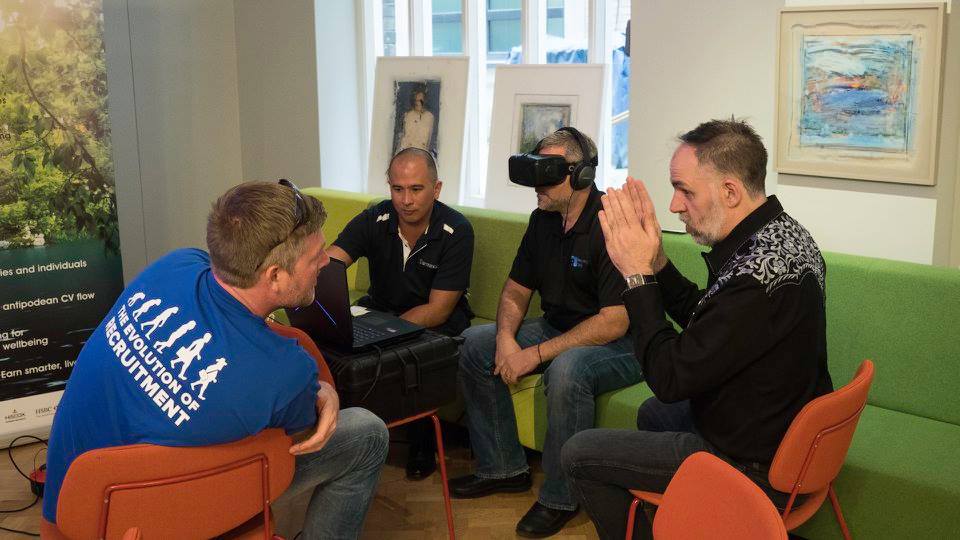
  1. Do we have enough information about the candidate’s skills and experience? Recruiters don’t need to know everything about a candidate at this point. They will learn more about the candidate during the interview. It’s about making sure the company has collected enough information to make an educated decision.
  2. Have we captured the right information about the candidate? There are so many things we want to know about candidates. Again, we’ll learn a lot during the interview. We need to gather only the information that will help us decide who to interview.”

Train RecruitersProblem: Your Recruiters Don’t Know How to Recruit

Some recruiters don’t know how to recruit, and others don’t know how to recruit using your ATS or recruiting system. People love saying “recruiting is easy.” But being a good recruiter is not easy. Recruiters are expected to be the HR and Marketing Swiss army knife on top of recruiting duties.

Solution: Implement an Ongoing Training Program for Recruiters

The number one thing to train recruiters on is on how to use the Applicant Tracking System you are currently working with. Most offer some sort of training online. I like this very comprehensive one by iCIMS.  Don’t take for granted that your recruiters are all experts in their field.  AIRS is known for their recruiting training. Bite Size Learning is a new one that I am currently reviewing.  As a Senior Recruiting Manager, I liked The Adler Group’s training system for new recruiters and often used it as a resource. Whatever you use, just use something to make sure that your recruiters are on point.

How-do-you-avoid-a-bad-hire-jpegProblem: The Candidate was so bad, you never want to talk to them again.

Well, back to that whole candidate experience thing. You have to reach out to candidates and give them the good, the bad, the ugly and the adios. There is not enough time in the day to reach the candidates that you want to interview let alone the candidates that you don’t. But really, most recruiters want to make sure the candidate has a good experience. Your company brand depends on it.

Solution: Automation

Build out automated emails to send after each stage in the recruiting process. Creating automated email templates that are ready to send out during any part of the recruiting process takes a little bit of time but is well worth it in the long run. If you really want to be a rock star, create a quarterly template for candidates that did not make it through the interviewing process to let them know how the company is doing and let them know that you are thinking about them. Another great feature of a top ATS is the ability to create a candidate pool. An area where candidates can submit their resume into your system even if you don’t have any current positions for which they qualify.

Problem: Your ATS Sucksblack-holes-belong-in-space-not-recruiting

I wrote an article last year titled, “The Applicant Tracking System Isn’t the Problem. Recruiters Are.” I honestly believe that with one caveat. Your ATS sucks.

Solution: Do an ATS Performance Audit

The short answer is to go back up and read the solutions for the issues discussed in this article and ask yourself if your Applicant Tracking System solves them. Most of the time, people don’t know that they have a horrible ATS system. They have learned to recruit the wrong way and have not taken the time to assess where their ATS is hurting the recruiting process. Take a deep look into your ATS and make sure that your Applicant Tracking System Allows for:

  • Company and Career Site Branding
  • Multiple Communication Methods Including Email Automation
  • Social Media Recruiting Capabilities
  • Video Interview Capabilities
  • Employee Referral Portals
  • Accurate Search
  • Workflow Automation
  • In-Depth Reporting
  • Better Hiring Decisions

That last one may come as a shocker. I can hear it now, “Jackye, my ATS is supposed to help me hire better candidates?” Yes, it is. Your ATS system needs to be so awesome that the result of all the features listed above is the best candidate out there. If your ATS is not solving your hiring issues, it is time to get a new ATS.

Want to have a little fun deciding if you need a new ATS? Take the quiz.


About the Author: Jackye Clayton is a talented recruiter and recognized people expert who puts the Human in Human Resources. Jackye Clayton Editor RecruitingTools.comAn international speaker and trainer, she has traveled worldwide sharing her unique gifts in sourcing, recruiting and job coaching. She offers various dynamic presentations on numerous topics related to diversity recruiting and sourcing, leadership development, inclusionary culture development, talent management and more. Her in-depth experience in working with recruiting teams at top Fortune and Inc 500 clients and their employees has allowed her to create customized programs to coach, train and recruit top talent and inspire others to greatness. Follow Jackye on Twitter @JackyeClayton  and @RecruitingTools or connect with her on LinkedIn.

Fit Happens: How To Hack Hiring For Culture.

1733e849cb872787f34d6aa86af3a7c1We all understand the inherent importance, and strategic value, of company culture, particularly as relates to recruiting and retention; talking about the inherent importance this amorphous, ambiguous and largely subjective catch-all has become reduced to a tired corporate cliche, and an even more maudlin talent acquisition aphorism.

Company culture, supposedly the end-all be-all of recruitment marketing and employer branding, the single most critical competitive differentiator when it comes to attracting and hiring top talent, is one concept we all agree is important.

The problem is that as much as recruiting and HR professionals talk about company culture, very few companies actually know how to define their company culture, much less screen and select candidates against it. “Culture fit” has become a ubiquitous hiring consideration in today’s world of work.

While it’s easy as it is to show some stock photos of “real employees” or add some flowery copy about values, mission or vision onto a company careers site, actually using culture as a filter to assess, screen and select candidates in any sort of meaningful, measurable way is far more difficult.

That said, learning to actually match company culture against a candidate’s career objectives and aspirations is one hiring consideration that’s well worth the effort for any recruiting organization.

There’s No Accounting for Culture.

company-culture-400x280-320x210A recent study by international assessment and development consultancy Cubiks reinforced the fact that while almost every recruiter acknowledges the importance of measuring cultural fit, a paucity actually know how to assess this fit during their hiring process.

According to the study, 80% of recruiters surveyed agree that culture is an important hiring consideration, but only 32% of those same recruiters actually considered it in their own talent acquisition initiatives. Talk about a culture gap.

So if we know culture counts in theory, then why are so many of us choosing (consciously or otherwise) to ignore it in recruiting practice?

When it comes to culture fit, turns out, ignorance is anything but bliss – in fact, ignoring company culture in the hiring process could be costing your business (and bottom line) big time. Consider the fact that according to a recent study from Gallup, a full 70% of Americans report they’re either not engaged or actively disengaged at work, equating to an estimated $550 billion annual cost to employers resulting from lost productivity.

Similar studies suggest that perceived culture fit is the most reliable indicator of employee satisfaction; in fact, fully 82% of employees who agreed with the statement, “I feel like I fit in with my coworkers and belong at my company” in a 2014 BLS survey also report alignment with their perception of their company’s culture and values.

These surveys suggest the existence of a direct correlation between cultural fit and employee performance; therefore, if you think about it, the only way to really hire the high potential, high performers we’re looking for is to consider cultural preferences during the hiring process.

From employer branding to interviewing, sussing out whether or not a candidate is a cultural fit can be crucial to your recruiting efficiency and efficacy today, and your workforce planning, employee retention and succession planning initiatives tomorrow.

You can always teach skills, but there’s really no training for cultural alignment. Fit happens.

But there are some things recruiters can watch for to make sure culture fit fits into their talent acquisition process. Here are some of the top considerations to remember when hiringb29a4134b05aa51fe8f2499b6c932131 candidates for culture.

Work, Life or Work-Life: Company Culture On the Clock.

As flexible working arrangements are becoming increasingly commonplace, work-life balance has become a key cultural consideration for screening candidates.

While some people may still crave the structure of going into an office during traditional business hours, others may want to work whenever they want, from wherever they want – or, most commonly, somewhere in between, like having the option to work from home when sick or getting to skip the commute one or two days a week.

In addition to being a strong cultural differentiator, flexible scheduling options not only lead to a happier workforce, but a healthier one as well.

A review of studies by the Cochrane Public Health Group suggests that the more control workers have over their schedules and the more choice employees have over their working hours and location, the less employees are likely to be late, absent or excused from work due to health related complaints.

In one case cited in the study, a company began offering employees the option to work from home one day every week, which actually reduced absenteeism by over 60% within the first quarter of this employer implementing a flexible scheduling option. Employees are less likely to take off time from work when they can work on their own time.

Moreover, the Cochrane Group report suggests that employees with control and choice over their own work schedules have much less stress, exercise more and tend to eat healthier meals and rate their overall quality life as “high” compared to their counterparts with a less flexible or more traditional work-life balance. Moreover, employees with flexible schedules report this arrangement allows them to dedicate time to important non-work related tasks, which, in turn, increases on-the-job productivity.

If your company has a strict schedule, or if you have opportunities for telecommuting or flexible hours, make sure you’re up front and transparent with candidates so you can make sure your culture aligns with their expectations.

Of course offering flexible work schedules might be a key competitive advantage for employers when it comes to attracting, engaging and hiring top talent – in fact, a 2014 study by global communications software and services company Unify found that 43% of workers would prefer flexible scheduling over a pay raise.

Time truly is money, which is why this might be just as important a consideration as compensation when it comes to closing candidates. Maybe your organization offers the option to telecommute on Fridays, or offer early leave days on Fridays in order to keep morale up.

Whatever the case may be, the more flexible you can be with worker schedules, the more flexible candidates will be when it comes to accepting an offer.

If you’re more of a traditional, 9-5 kind of employer, at least emphasize your managers’ willingness to work out individual scheduling needs, or else work with the candidate to understand what their scheduling requirements are and if those expectations can be feasibly accommodated.

If you can’t offer flexible scheduling, make sure to highlight things like PTO, company holidays or community service days that your company might offer as part of your total rewards package and give candidates something they can look forward to other than a daily commute to a place where you have to clock in and clock out.

If that’s your company, that’s cool. Just make sure candidates know what to expect – and whether or not there’s a culture fit when it comes to scheduling and work-life balance.

Dressed to Impress: The Sartorial Side of Company Culture.

wear shoesWhile hoodies, jeans and sneakers might have replaced sport coats, neckties and dress shoes as the dress code du jour at an increasing number of companies today, with casual Friday casually extending to our everyday attire and office sensibilities.

It turns out, however, that while high heels and staid, stuffy suits might not always be comfortable, dressing up at work can increase such outcomes as employee satisfaction, engagement and performance – proof that looking the part is half of the business battle.

If you look the part, there’s a better chance you’ll play the part, psychologically speaking. Think of it as a sort of “Professional Pygmalion Effect.”

A surprising study in the Journal of Experimental Social Psychology, for example, found that when graduate students were asked to perform a random test while wearing a lab coat, they achieved universally better outcomes than the control group who conducted the same set of tests, only without wearing a lab coat.

Other studies show that factors like simply wearing glasses or carrying a briefcase can have a big impact on perceived credibility and trust in business situations. Instituting a dress code won’t inevitably increase productivity or performance; instead, these outcomes are improved only when employees are given the discretion to define “appropriate attire” on their own terms, instead of dictating what they are or aren’t allowed to wear.

Dress codes, in fact, while designed and implemented with the best of intentions, almost always lead to decreased employee productivity, satisfaction and engagement – study after study suggest there’s nothing most workers hate more than being told what they can and can’t wear at work.

This is why Google, consistently ranked as one of the Best Companies to Work For and renowned for its company culture, has famously disavowed employee dress codes, a pronouncement that has more or less set the precedent for ditching dress mandates throughout the tech industry, with companies like Apple, Box and Facebook following suit and encouraging potential hires to come as they are and find dress code Nirvana.

This trend isn’t limited to just tech, however; even established blue chip brands, like General Motors, have instituted more relaxed or less rigid employee dress codes; GM CEO Mary Barra says her decision to replace her company’s formerly complicated dress code policy with a simple, “dress appropriately,” was based on the need to empower individual managers and business units to execute leadership and reinforce culture within their teams.

Again, be very upfront about sharing any dress codes or employee appearance policies up front with candidates, and make sure to accentuate the rationale behind your guidelines (or lack thereof). If your policy is strict, offering the occasional respite in the form of the ubiquitous “casual Fridays” or even the ability to dress up in costumes for Halloween might be worth mentioning when presenting your culture to candidates and finding fit.

Stop, Collaborate and Listen: Work Styles & Company Culture.

corporate_coloring_book_1The pre-screening, interviewing and candidate selection process are inherently made to favor extroverts, with hiring managers often placing a premium on interpersonal communication and presentation over hard skills and practical experience.

For introverts, interviewing can be even more intimidating, exhausting and painful than it is for the rest of us.

This is why, when recruiting for culture fit, it’s so important to consider the various work styles and preferences unique to each candidate and how those align with the opportunity for which they’re being considered.

Recruiters need to remember that what work style works is probably relative, regardless of the consistency of your company culture.

For instance, you don’t need to be the smoothest talker to be a kick butt accountant, nor does an entry level hire need to have polished presentation skills or the ability to interface with executive leaders unless it’s absolutely required for the role.

But work works best when there are many work styles at work, writes author Susan Cain. In her book “Quiet: The Power of Introverts in a World that Can’t Stop Talking,” Cain implores companies to consider and accommodate as many complimentary working styles as required to make sure employees have the best environment required to do their best work.

While trends like open seating, flat org charts and open door policies might be all the rage, these won’t necessarily help the nearly one third of American workers Cain reports self-identify as introverts produce the exceptional results expected of this massive pool of exceptional candidates who don’t adjust well to group settings or prefer a quiet work environment to a collaborative one.

When hiring for culture fit, it’s imperative for recruiters to determine what type of collaboration and office environment the candidate prefers, and how their work style aligns with your company culture.

In particular, screening candidates’ attitudes on collaboration can be an effective way to ensure cultural alignment; for instance, if you’re the kind of company that schedules meetings to schedule more meetings, you probably want to make sure that candidate is cool with that. Similarly, if you’re the kind of company that loves assigning team based projects, you probably want to make sure that your next hire isn’t some sort of lone wolf or sociopath, and that they’re willing to work along (and play along) with others.

Because even if the fit isn’t perfect, culture really all comes down to having the right style. So, it’s really kind of simple: Recruiters, don’t just look. Look good.

No matter what your style might be, it’s important to remember that in recruiting, culture fit is one of those fundamentals that will never go out of fashion.

Always Be Closing Almost Never Works In Recruiting.

Glengarry-Glen-Ross-DI“Only one thing counts in this life: Get them to sign on the line which is dotted. You hear me? … A-B-C. A-Always, B-Be, C-Closing. Always be closing. ALWAYS BE CLOSING.

A-I-D-A. Attention, Interest, Decision, Action. Attention – Do I have you attention?

Interest – Are you interested? I know you are, because it’s f#@% or walk. You close or you hit the bricks.”

David Mamet, Glengarry Glenn Ross

One of the most quoted cult classics of all time, the 1992 adaptation of the David Mamet stage play Glengarry Glenn Ross remains relevant, even after all these years.

The film not only helped propel Alec Baldwin to fame (for better or for worse), but it forever solidified the archetype of the overly pushy, overly aggressive sales guy willing to stop at nothing to win a deal.

Always. Be. Closing.

Makes sense, if you’re trying to sell a commodity like peanuts, whiffle balls or widgets, for all of you B-Schoolers out there. In fact, if you’re selling anything that can be commoditized, I definitely support the philosophy that the sale is the ends, justified by any means necessary.

But if you’re “selling” jobs, placing a premium on the process or product instead of the people who matter most is just wrong. If you think jobs are commodities, think again. And if you think that “always be closing” is always a great approach for building and nurturing nascent relationships, you probably suck at recruiting. Just saying.

Ask any successful recruiting or staffing professional out there, and they’ll tell you the fundamental fact that even though we’re more or less selling jobs, we have a responsibility to make sure that we’re not doing anything to close a deal, that we’re looking to make the best match instead of simply put another butt in another seat.

Contrary to popular belief, any realtor, car salesman or contingency recruiter will agree that social selling, the ultimate act of transforming a new relationship into a meaningful connection that’s mutually beneficent, doesn’t happen overnight.

Putting too much emphasis on the close instead of the conversation, on the deal instead of the discussion, on building business instead of building relationships, can be a fatal error for any recruiting professional out there. In this business, it’s not about finishing a conversation – it’s all about starting one. [Don’t tell Alec.]

The Medium Is Not the Recruiting Message.

200_s (3)There are a million potential sources of hire out there, and it’s never a good idea to neglect any of the proliferating platforms out there where your next great hire may be hanging out.

From LinkedIn to Facebook, Twitter to GitHub, from emails and referrals to old fashioned cold calling, all of these platforms share one core commonality: they’re all social channels.

And you’d be hard pressed to find any recruiter, candidate or hiring manager who can point to one channel exclusively; instead, employers must be ready on multiple fronts to ensure that they’re getting the right message across to top talent, irrespective of the medium. But making sure that the right person hears the right message at the right time is more about getting noticed, or even getting heard. It’s about more than having the right talking points or recruitment marketing.

It’s easy, and natural, for employers to want to talk about themselves when it comes to recruiting, to come up with a carefully massaged and carefully managed message, but the thing is we have to understand that our candidates, not our recruiters, control this conversation. So to really get any value out of all these social channels, it’s important for recruiters to start by shutting up and actually listening for a change.

Ask not what the candidate can do for you, but what your company can do for the candidate.

Listen. Understand. Engage.

16-killer-wall-street-movies-to-entertain-you-over-the-holiday-weekendLinkedIn recently unveiled its Social Selling Index [SSI], which the “professional network” (ahem) touts as a sort of indicator of the relative health of our online connections, touting its ability to “tap into the power of the LinkedIn network to help Sales professionals to establish and grow relationships with prospects and customers.”

LinkedIn, clearly, is letting sales guys and staffing pros completely bypass that whole “professional networking” thing and figure out who actually has the influence within an organization, and who’s not worth even picking up the phone for.

You can even think of it as a kind of Klout score for sales and recruiting professionals (and the math is about as asinine and inaccurate, too).

The real reason for this kind of tool, and something that recruiters should have been doing well before LinkedIn built it into a product it could sell (but shouldn’t have to) is that while most of us in recruiting put an emphasis on conversions, we should instead be focusing on conversations, instead.

Get that right, and the rest becomes pretty easy. Promise.

This brings us to the pretty obvious, but pretty hard to answer, question of how, exactly, you start (or join) a relevant recruiting related conversation. Or if you even should, for that matter. Here are a few ways that I think recruiters can engage on social channels to return the value to the candidates from whom they’re hoping to extract it from – an exchange that serves as the basis for all online engagement.

  • Validate
  • Share
  • Contribute
  • Challenge

Let’s break these four basic precepts down and see how each of these parts must add up to make the recruiting math make sense – and make sure that value exchange between company and candidate is actually equal, online or otherwise. Remember, anyone can blast job postings. But it’s far harder – but infinitely more meaningful – to build meaningful relationships.

Validate: Validation is the low hanging fruit of engagement, an easy strategy that takes little investment or effort on behalf of employers or candidates, and therefore, produces the lowest form of ROI. Some examples of validation include liking or favoriting a piece of content your audience posts, showing you’re watching even if you’re not necessarily engaging. That way they’ll know you’re there – this is the digital equivalent of waving back at that person after you cut them off in traffic.

Sorry, not sorry.

Share: Sharing is caring, but it’s also very easy. All you have to do is know what your audience is interested in, and help retweet, share or repost anything you think your network might find valuable. It’s a great way to start conversations, showcase subject matter expertise and prove to your network that you’re someone who actually wants to do more than tweet open jobs through a bot or tweet aphorisms during career themed Twitter chats.

Even if you might not think it’s a big deal, the online endorsement inherent to content sharing is actually a big deal, a vote of confidence that you’re all about sharing the love and adding value instead of simply extracting it.

Contribute: This is the part where your engagement noodle really starts to bake (or something like that). But if you’ve been listening into the conversation and know your audience, it’s time to kick it up a notch by adding your own perspective – and voice – to the conversation.

If you find enough value in someone’s work to share, and can add your own perspective on how a particular topic affects you (personally or professionally) instead of simply sharing information, chances are your followers and friends are not only going to find value in the content, but the context you provide for how you relate to that content. This isn’t only “joining the conversation” – it’s actually advancing it.

And that’s really what all this is all about.

Challenge: It’s appropriate that the highest value form of engagement is also the hardest, more than living up to its name. But if you’re ready, if you’ve already shared, commented and added your own insights and expertise, the only thing left to do is to actually provoke the conversation, posing valuable questions and offering up differing opinions and diverging points of view, even if it’s just for the sake of the discussion. It’s not easy, but it’s also the most valuable form of engagement there is.

And no, you don’t have to be the Matt Charney of software engineering to get responses from developers. But it doesn’t hurt to go beyond the buzzwords and dive into what really compels them to code. Word to the wise: it might not hurt to brush up on those Star Wars references, either. May the Force Be With You.

Social Recruiting: Success isn’t Conversions, It’s Conversations.

glengarry-glen-ross-third-prize-is-you-re-fired_designI recently conducted a study across multiple social platforms, but instead of focusing on traditional transactional metrics like conversion, I instead focused on the outcomes driven by conversation, in an attempt to find quantitative data that supports the recruiting ROI of conversations, data that’s all too often qualitative (and anecdotal) at best.

My study found that focusing on conversation – what’s commonly referred to in recruiting as engagement – instead of conversion yielded over 54% more responses with qualified candidates across channels.

These online interactions, largely, focused on driving sustained, meaningful interactions, instead of sharing job related information or employer branding related material.

Intent matters when trying to engage an audience. When your intention is conversation, you’ll understand why “social” is more than a buzzword – it’s a mindset. And you’ve got to give to get. Nowhere is this evident than in another recent report from Software Advice, which surveyed candidates on which channels they’d be open to receiving recruiting related messaging.

The majority of respondents, turns out, don’t want anything to do with recruiters on Facebook or Twitter; they don’t even want to be approached, according to the survey, by more old fashioned strategies like phone calls or e-mails.

While that might sound a bit weird, and I have my own theories as to the illusion of making a prospective candidate feel like they’re in control while steering them towards an opportunity, but it really comes down to the fact that it’s not always that an opportunity might not be right, it just might not always be right now.

Many candidates who would otherwise welcome a conversation simply want a heads up – and at least that illusion of having control over your process. Nothing undermines that relationship quite like catching them off guard.

That’s why you’ve got to make sure your timing always remains on point. This can be a big challenge for recruiters. But most candidates will respond to the right messaging, provided it’s on their time, not yours – and the right timing almost always depends on the right candidate’s time table. What’s not going to keep a candidate warm is vomiting jobs from some RSS feed into your social stream, without any human intervention.

This is basically the social version of spray and pray, and if you’re relying on this to build engagement, expect those prayers to go completely unanswered. Because no one pays attention to those crappy anti-social “social media” trolls, anyways.

Do you have a go-to method or trick of the trade for starting or engaging candidates in meaningful conversations? Please weigh in below, and let the shop talk (and hijinks) ensue. 


AAEAAQAAAAAAAAIzAAAAJDhlOGNjYmZjLWViNzktNDk5Yi04NzFiLTE1Zjg1NDEwZmRmYwAbout the Author: Bryan Chaney is a global talent sourcing and attraction strategist. He’s worked at IBM, Twilio and currently leads employment brand for corporate recruitment at Indeed. Bryan has worked in recruitment, technology, and marketing, providing him insights into the marketing of hiring, the importance of technology and the buying process that candidates make when applying for jobs.

He’s an international speaker and trainer on the topic of recruitment and talent branding and loves to travel. The Huffington Post recently named him one of the Top 100 Most Social HR Experts on Twitter. That and FiveBucks will get him a delicious cuppa coffee.

Follow Bryan on Twitter @BryanChaney or connect with him on LinkedIn.

Email Best Practices for Recruiting Organizations

  • For 70% of Internet users, email is the primary form of communication with businesses.
  • One-third of marketers say their subscribers read emails on mobile devices 50% of the time.
  • Marketers rank the three most critical areas of email as content and design; campaign management; and contact management.

These stats reveal three important takeaways:

  • Email is not going anywhere as a key form of personal communication.
  • Email and mobile go hand-in-hand.
  • Email requires some type of management tool to be most successful.

This matters to talent acquisition teams because candidates are becoming more and more like consumers in the way they research and communicate with prospective companies for careers. And let’s face it: A lot of teams are still going
about email in an old school, manual way. Ignoring key email best practices can cause some challenges with list management (like spam, unsubscribes or flagging through email systems) and effectiveness (poor open rates, click rates and conversion rates).

Follow these general “must-dos” for email best practices:

Email must be trusted. Step 1: Ensure you are CAN-SPAM compliant. And before you hit send, keep these guidelines in mind:

  • Confirm the list source to make sure your recipients have opted in to receive communication from you. Of course, everyone who joins your SmashFly-powered Talent Network has opted in!
  • Give your recipients a way to opt-out or unsubscribe at the bottom of every email, a key SmashFly ability. While you can remove this option, providing an “Unsubscribe” link is crucial to meeting compliance standards.
  • Familiarize yourself with best practices for subject lines. Ones that are deceptive or riddled with spam keywords will land you directly in the junk folder.
  • Monitor your email performance, including unsubscribes and negative feedback, and make adjustments to your campaigns based on the results. SmashFly allows you to see your list opt-outs. Sending volume emails will come with negatives, as well as a percentage going tospam, so don’t get discouraged―learn from it!

Email must be relevant. You have an obligation to deliver the right content to the right candidate at the right time, based on a smart understanding of each person’s interests and behaviors.

  • Segment your email list by certain interests or attributes in order to understand the content they need at each stage of the candidate journey. A simple place to start with segmentation, especially for potential candidates, is skillset. SmashFly helps do this by automatically assigning candidates to pipelines in your CRM.
  • Make sure your subject line reflects the key content in the email to improve click-through rates once recipients open the email.
  • Keep messaging direct to your list; keep copy concise.

Email must be human. Candidates are people! They are exploring taking their career to your organization, and that means they need to connect with the people behind your employer brand. Be as personal and authentic.

  • Always use an automated intro that populates the recipient’s name and/or previous action that triggered the email.
  • Write your intros in a personal, one-to-one way.

Email must integrate with other channels and assets. Your emails should be the distribution effort to promote your top content and owned assets, from job alerts to company news and blog content to social media channels and career site.

  • Make sure you link to your active social channels either in the header or footer of the email. Cross-channel promotion will encourage candidates to engage in other ways.
  • Repurpose your content from other areas, like blog posts, upcoming events, company projects, etc., and make sure it is distributed to your lists!
  • Design should reflect your career site and employer branding for consistent experience. SmashFly 15 provides built-in templates to help you get started.
  • Promote your talent network, monthly enewsletter, etc. in your social channels and on your career site to drive organic sign-ups and grow your database.

Email must be strategic. Always use the right metrics to measure your email marketing tactics and assess their effectiveness and worth. Then, make adjustments accordingly.

  • Track conversion rates when promoting jobs or events, as well as key downloadable content pieces.
  • Track click-through rates on specific content, like blog posts or white papers, featured in the email
  • Follow open rates month-to-month and tie back to content themes and subject lines.
  • Shorten all your links to make sure they are tracked with your email provider! With SmashFly, all links can be tracked with a simple checkbox, and you can see results in reporting.

Email must be multi-screen. Candidates are accessing their emails everywhere, from desktop to mobile to tablet. The user experience must be easy and responsive across all devices.

  • Use mobile responsive email design.
  • Use distinguished hyperlinks to link out to the full information: You don’t need a complete paragraph or wordy headers to introduce content!
  • Make sure your emails open and images download across a variety of email providers, like Gmail, Outlook, etc. We suggest Litmus or Email on Acid.

Email must be purposeful. In both design and content! Don’t overwhelm users with a lot of calls to action (CTAs) and options. There should be one main driving conversion or message in each email.

  • Make sure hyperlinks to content are clear, using underlining or different colors.
  • Design CTAs to be prominent, but not salesy: large, bright colored buttons have a tendency to look like ads.

Email must be seamless. Yes, they should be as personal and transparent as possible, but they should also be professional, which means no mistakes!

  • Test your emails! Send tests to yourself or a small team to navigate the experience on different browsers.
  • Check and open all links to external content to make sure they aren’t broken and direct to the right content.
  • Make sure your images are loading properly from different email clients, browsers, and devices.
  • Check to see how your subject line and pre-header show up in the inbox. The full copy, or at least the key point, should be visible.
  • And make sure there aren’t any spelling errors!

Sources: MarketoComm100, SmashFly 

Originally posted by  Author: Elyse Schmidt of SmashFly on RecruitingBlogs.com

10 Sourcing Tools Mentioned at #Sourcecon ICYMI

Reporting live from the Twittersphere.  No I am not at #Sourcecon this week but I am still the RT Queen! There was a ton of great tools mentioned on tweeted out via #Sourcecon this week. Here is a list of 10 tools pulled from Twitter:

BlockSpring:
FireShot Capture 19 - (8) #sourcecon - Twitter Search_ - https___twitter.com_search

Check out my article here on RecruitingTools.com about BlockSpring here:

“The Best Recruiting Tool you may have Never Heard of”


Crysta
l:
FireShot Capture 38 - (23) #sourcecon - Twitter Search_ - https___twitter.com_search FireShot Capture 37 - (19) #sourcecon - Twitter Search_ - https___twitter.com_search


Mozenda:

FireShot Capture 34 - (15) #sourcecon - Twitter Search_ - https___twitter.com_search


Mailtester:

FireShot Capture 33 - (15) #sourcecon - Twitter Search_ - https___twitter.com_search


FullContact:

FireShot Capture 32 - (15) #sourcecon - Twitter Search_ - https___twitter.com_search


Entelo:

FireShot Capture 31 - (13) #sourcecon - Twitter Search_ - https___twitter.com_search


IFTTT:

FireShot Capture 29 - (10) #sourcecon - Twitter Search_ - https___twitter.com_search


ScheduleOnce:

FireShot Capture 28 - (10) #sourcecon - Twitter Search_ - https___twitter.com_search


Textio:
FireShot Capture 25 - (4) #sourcecon - Twitter Search_ - https___twitter.com_search
FireShot Capture 22 - (11) #sourcecon - Twitter Search_ - https___twitter.com_search


Ghostery:

FireShot Capture 42 - ghostery sourcecon - Twitter Search_ - https___twitter.com_search

If I have missed any, please share in the comments below!

About the Author: Jackye Clayton is a talented recruiter and recognized people expert who puts the Human in Human Resources. Jackye Clayton Editor RecruitingTools.comAn international speaker and trainer, she has traveled worldwide sharing her unique gifts in sourcing, recruiting and job coaching. She offers various dynamic presentations on numerous topics related to diversity recruiting and sourcing, leadership development, inclusionary culture development, talent management and more. Her in-depth experience in working with recruiting teams at  top Fortune and Inc 500 clients and their employees has allowed her to create customized programs to coach, train and recruit top talent and inspire others to greatness. Follow Jackye on Twitter @JackyeClayton  and @RecruitingTools or connect with her on LinkedIn.


Glassdoor Employer Branding Summit: Top 10 Talent Takeaways.

screenshot-2015-05-28-09-51-14We’re gearing up for next week’s 2nd annual Glassdoor Employer Branding Summit and are so excited to spend the day learning from employer branding experts from companies including Zillow, Glassdoor, Salesforce, Dell and more!

In today’s rapidly changing employment landscape, it’s important to keep yourself informed on what the pros and your peers are saying about the industry.

What can you learn from an analyst who studies talent acquisition day in and day out, and what can a practitioner just like you share about what’s working and what isn’t?

Find out by registering for the live stream now.

Whether you’re already registered, or still need to sign up (seriously, sign up now), we’ve rounded up all of the sessions to give you a little preview of what you can expect to learn.

10 Things You’ll learn at the Glassdoor Employer Branding Summit

GD_5ReasonsWhyLiveStream_Summit_Draft31. The importance of transparent leadership.

Zillow’s CEO Spencer Rascoff will be covering the importance of transparency in leadership during his keynote session, giving you tremendous insight to share with leaders at your organization.

2. What it takes to be a transparent leader.

Interested in learning more about what it takes to be a transparent leader? Hear from Glassdoor CEO Robert Hohman and Zillow CEO Spencer Rascoff in this CEO Fireside Chat.

3. An Ecosystem Approach to Close More Passive Talent.

Jennifer Johnston from Salesforce will be covering how to attract more passive candidates during her session at the Glassdoor Employer Branding Summit.

By tuning in, you’ll learn how to generate targeted leads, what types of nurturing activities help turn passive candidates into prospects and innovative ways to better enable employees.

4. Using Glassdoor to Build Trust & Engagement.

Christopher Hannegan from Edelman PR and Jennifer Newbill from Dell will be co-tackling the topic of using Glassdoor to build trust and engagement with candidates. Attendees of this session will better understand what types of voices are trusted by candidates, how to build a Glassdoor engagement strategy and how Dell adopted Glassdoor over time.

5. Employer Brand Strategies to Attract and Retain Millennials.

Carolyn Eiseman from Enterprise Holdings is our go-to Millennial expert and will be showcasing her employer brand strategies to attract Millennials next Friday. In this session, attendees will learn how to empower employees to share their experiences on social media, the importance of employee referrals and how to localize your content to attract a wider talent pool.

6. Recruiter Branding: The Newest Element of Your Employer Brand Strategy.

Our friend J.T. O’Donnell from CAREEREALISM is covering the topic of recruitment branding in her Glassdoor Summit presentation. In half an hour, learn from J.T. about surprising things job seekers want to know about recruiters, how to rise above the noise to get in front of top talent and tips for building a recruiter brand that will make talent come to you.

7. The Employer Brand Action Plan For Those That Don’t Know Where to Start.

Stacy Zapar from Zappos will be back for the second year in a row talking about building an employer brand action plan. Don’t know where to start? Stacy’s got you covered.

8. Standing Out from the Crowd: Differentiating Your Brand.

Richard Mosley from Universum will take the stage at Summit to talk about differentiating your brand. We all know that differentiation is key to a competitive advantage, but too many employer brands end up looking the same. Richard will speak to the art of brand positioning and how experience has become more important than expression in differentiating your employer brand.

9. Analyst Roundtable

At this year’s Glassdoor Employer Branding Summit, we’ll be featuring an Analyst Roundtable with Josh Bersin from Bersin by Deloitte, William Tincup from KeyInterval Research and Madeline Laurano from Brandon Hall Group. The conversation will include employers in the news, what makes an employer a great place to work, the connection between employer brand and consumer brand and where employer branding will be in five years.

10. The Transparent Organization: 30 Tips in 30 Minutes.

As the day winds down, we’ll be finishing Summit off with 30 tips in 30 minutes from employer branding experts at Intacct, Oracle and Glassdoor. Top-rated CEO, Rob Reid from Intacct, will be discussing transparent leadership, while employer brand guru Celinda Appleby from Oracle will discuss how employers can put these tips into action. Lastly, Glassdoor’s own Alison Hadden shares her success stories from the field.

Bonus: How to Follow the Glassdoor Summit Conversation.

We will be live tweeting the entire day from the @GDforEmployers Twitter handle using the hashtag #GDSummit. Be sure to join the conversation! We will be taking live audience questions as well as questions from the #GDSummit hashtag.

Still haven’t registered? RSVP now to save your spot for the live stream. Can’t make it? Register anyway to receive all of the recordings immediately following the event.

Editor’s Note: I will also be attending the #GDSummit next week, and encourage you to follow @RecruitingBlogs and @RecruitingDaily for the best insights, observations, trends, stats and snark straight from San Francisco. I’d encourage you to register for the live stream because while it’s kick butt content, it’s even better with context.

This is one of my favorite events of the year and definitely encourage all of you to tune in. See you at #GDSummit! – MC

Disclaimer: Glassdoor is a client of Recruiting Daily, who has been compensated for this post. This post in no way reflects the views or opinions of Recruiting Daily nor its employees. Except for Matt Charney, who’s pretty pumped.

0459b91About the Author: Lisa Holden currently serves as the Employer Engagement Manager for Glassdoor, where she manages media relations and communications for the B2B side of the leading jobs and career marketplace.

Lisa has spent the better part of a decade helping companies manage their public brand and reputation, and has extensive experience working in the technology and employment industries.

Follow Lisa on Twitter @LisaAHolden or connect with her on LinkedIn.