Blog

Big Data: Does Size Really Matter for Recruiting?

5d17e9aea85e7c95dff4beee68bc9f57Recruiting, as a rule, kind of sucks when scale is involved. It’s no secret that most corporate recruiters feel overwhelmed with too many resumes to review, or too many requisitions to manage. The average job posting gets around 250 applicants for every opening, and the average in-house recruiter is handling between 40-50 open requisitions at any one time.

That means, even with a conservative estimate, most recruiters have to deal with 10,000 candidates at any one time.

Of course, for every 250 job seekers applying for posted jobs, that scale becomes relatively irrelevant – after all, only one is going to actually get hired.

Only about 10 are going to get the courtesy of a personal call, and of these, about half will get invited for in-person interviews, which means that 96% of applicants are essentially irrelevant in the recruiting process for that particular position, and their associated metrics are more or less meaningless.

Big Data in Recruiting: Does Size Matter?

images (1)This example underscores a challenge that’s endemic to both big data and recruiting – an emphasis on quantity and volume instead of quality and relevance. Most big data evangelists would claim that the millions of data points generated by unqualified applicants are intrinsically valuable, but the analytics generated by these inputs must be predictive, not prescriptive, to have any sort of real value.

That is, big data should tell us what’s going to happen and what we can do better instead of what can happen or what we did wrong.

This seems to be the source of confusion for much of the conversation on big data and recruiting – the focus on measurement for the sake of measurement is metrics.

Contrary to popular belief, all data is not good data; without a case use or business application for analytics, you’re basically doing the quantitative equivalent of recruiting without a job description. How do you know what you’re looking for if you don’t define it up front?

The term “big data” scares a lot of us, but the truth is, it’s a misnomer – all data, by definition, is small. The only thing that’s changed is that we just happen to be generating a whole lot more of it, and that it’s more easily captured and collated. But most thought leadership would tell you it’s enough to collect these data points, build benchmarks and, like some Dan Brown book, patterns and problems will suddenly become self-evident. If only it were that easy. Spoiler alert: it’s not.

Data collection (and the construct of “big data”) is inherently passive – in fact, the millions of information points being generated by your talent organization daily are nothing new, and the huge majority is collected without any sort of strategy or intervention.

Analytics, on the other hand, must be active, and require transforming raw data into a story compelling enough to create the kinds of iterative improvements and minor changes that are the ostensible end goal of dealing with “big data.”

You can’t sit back and wait to see what the data suggests, which is kind of like posting and praying with numbers; instead, you’ve got to mine the data you’ve targeted to solve a specific, pre-identified problem, an approach similar to proactive talent sourcing for a hard-to-fill role that’s already been opened.

More Data, More Problems?

big data problemBecoming a data driven recruiter means knowing less about how to collect and interpret analytics than where opportunities for improved efficiency and efficacy exist within the recruiting process and being able to back that up with some statistical validation.

Gut instinct still has a place in recruiting, and should be the foundation for approaching recruiting analytics – you’ve got to make assumptions in order to test them.

Look at any case study for any company using big data effectively, and while their approach to analytics might be innovative or the required analysis complex, most of the time, they’re simply collecting proof of something that’s really, really obvious.

You probably don’t need a ton of numbers to know that, for example, if you don’t offer mobile application capabilities, you’re going to miss out on a ton of potential job seeker traffic. Knowing how much traffic you’re missing out on, how much that’s costing your business and whether or not implementing a technology to solve this problem is going to create demonstrable ROI is the optimal outcome, and that, like recruiting, is about relevance, not volume.

Could be the only candidates you’re missing out not having mobile aren’t going to get hired in the first place, in which case, even if that’s 90% of potential applicants, as we’ve seen before, might not be worth making a chance if the one most likely to get hired is much more likely to apply via desktop than mobile device.

Analytics can tell us what not to do as much as they can inform what we should be doing, and like automating assessment questions as part of the application process, this can help screen out the BS and save an inordinate amount of time for recruiters by ensuring relevance and applicability for achieving a specific outcome.

Like those ATS or HCM based prescreening point solutions, however, your approach when formulating a question for big data should be a simple one: will this help me make better hires cheaper and faster than before?

If not, than don’t waste your time – like candidates who get knocked out before they’re even under consideration, they’re constantly being collected in your system without you doing a damn thing. But there always could be a future opportunity that’s a better fit – and unlike recruiting, in analytics, the opportunities are infinite.

ddr-logo1For more on how to put analytics to work at your work, make sure to check out the Data Driven Recruiter, presented by Jibe.

And don’t forget to register for our complimentary webinar, How to Become A Data Driven Recruiter, on March 5 at 2 PM ET, where I’ll be breaking down data tips & tricks from the talent trenches with Jibe CMO (and all around bad ass) Ivan Casanova.

Click here to register now. It’s going to be awesome.


Caught in A Bad Romance: Why Office Dating Is A Deal Breaker

1333910840316_2911114I don’t know much about love. Really, who does? It’s a bit of trial and error and a lot of compromise, from what I do know. I’m thinking of those couples you see as you’re scrolling through your News Feed, “married 70 years” and all of their advice is typically the same – it’s going to suck but most of the time, not so much so they decide it’s worth sticking around.

While I may not know much about love, I’ve read plenty about it. Not typically the stories about how love is hard but the really romantic, can’t get enough of each other type love.

I’d imagine that’s the case for most; sad doesn’t sell. That’s why Nicholas Sparks does so well.

Now, don’t judge me, but I loved Nicholas Sparks’ books when I was in high school. How could you not, really? Between the beaches and the drama, I likely would have driven myself to a North Carolina beach to fall in love with a rugged man if I had a license…. or any interest in men. I’m confident anyone who knows me is chuckling at this point considering the idea of me being with a man of any stature, but I digress.

The whole reason I (and every other Sparks fan) loved those books is because he does such a great job of telling their whole story. You really get to know the characters and then, once they meet, it’s magical.

The Myth of the Meet Cute

meet-cuteI use the word ‘magical,’ because as a culture, when it comes to romance, we have a great attachment to the significance of meetings. I just read an article in the New York Times on how people write about love.

The official Modern Love Editor (yeah, that’s a real job, apparently), Daniel Jones delivered a really well written, first hand view on how a love story shifts based on perspective; someone that’s old or young, a man or a woman.

He also brought up the details – the first meeting in particular – and posed the question: “What do we consider a good meeting story?” 

Jones responds, perfectly in my opinion, saying that a good meeting story is “when it involves chance more than effort. You get bonus points if the chance encounter suggests compatibility, like mistakenly wheeling off with each other’s shopping carts at Whole Foods because your items had so much overlap, you got the carts mixed up.”

And let’s face it. The meeting story matters. It’s the first question out of anyone’s mouth when you mention a new person you’re seeing –“sooooo (they drag out the o every time they ask), how did you meet?

You want your friends to think this person is the best human ever and this story is your first chance to make your friends jealous. So they embellish.

I even know people who have lied about how they met because they didn’t think people would approve of the relationship if they knew the real story. In this specific instance, their magical moment was on CraigsList and, being the moderately judgy person that I am, I’d say I understand the lie.

It’s a little weird to meet in a digital landscape where it’s 100% acceptable to respond to a desk for sale with a dick pic. As your friend, I’m not thinking about how great your new boyfriend/girlfriend is but rather wondering why you were both looking for love in such a clearly wrong place.

Or, another wrong place, the office.

The Office Romance Taboo: Don’t Shit Where You Eat?

Wwq74coffice-sex-dating-hr-policy-workplace-ecards-someecardsI get it. Meeting people is hard, particularly when you have a full time gig. And when you pile together a bunch of people with mutual interests together in the same place for 40+ hours a week, office romances are pretty much an inevitability. All it takes is a happy hour, a Christmas Party or any time booze and coworkers mix, and  – voila!

Bad decisions are bound to happen (occasionally, they turn out to be good ones, but that’s the exception to the rule).

You can always blame the booze, but c’mon – we all know that you committed what’s kind of the cardinal sin of the workplace. So, if you’re looking at the employee directory like some sort of proprietary Tindr, then ask yourself:

What in the hell makes you think that hooking up with a coworker is a good idea?

Don’t say TV. From Sam and Diane on Cheers to Olivia Pope and the POTUS on Scandal, to, well, the entire Grey’s Anatomy casts, there’s no doubt that office romance makes for good television. Now, call me crazy, but what makes for compelling primetime programming doesn’t normally translate into solid life choices.

You’re not going to start selling meth out of a van or join a biker gang anytime soon, for instance – that’s obviously escapist fantasy. Not so with romance, which, I can almost guarantee, won’t have the happy ending that it does in Shondaland.

No matter what I say, you probably already know that love and the workplace don’t mix, but according to a recently released CareerBuilder study, just in time for Valentine’s Day, that doesn’t seem to be stopping you. In fact, 37% of respondents report having previously dated a co-worker, and 30% of those romances have reportedly led to marriage.

If you think this sounds sweet, you’re dead wrong.

Think about it. This statistic also means that fully 70% of interoffice relationships fizzled, and probably created a ton of drama and a ton of awkwardness at the office for both the couple and their coworkers. I’m not sure what’s worse – having to see your ex every day or having to deal with the drama involved in decoupling coworkers.


Wait, I know what’s worse: people who date the boss. The CareerBuilder study showed that of those who had an office romance, 25% did so with someone who’s superior to them, including their own managers. That’s against the rules at most businesses for a reason – because it kind of breaks every ground rule out there, both personally and professionally.


C’mon, people. Let’s use some common sense and look at the dangers of workplace dating. There’s no OSHA poster covering this stuff, but there really are some simple rules that everyone should follow to protect both their emotional and career wellbeing.


A Few Simple Rules for Dating At The Office

f31a41115ad9f761ebfdf0cafd5529e7f4cae0da4b823d34c3bbcab9cc439589If I’m completely honest, the most obvious rule for office romance would be: don’t do it. Ever. But, obviously, some people just can’t help themselves – mostly people with a pretty low standard for romance, if their magic moments can be found in the confines of a cubicle or between trips to the break room.

When I say they can’t help themselves, I mean they REALLY can’t restrain their romantic inclinations – CareerBuilder found nearly 1 in 5 workers (19%) who have had an office romance have had an affair with a coworker where at least one person involved was married at the time. Colleagues should never be cuckolds, so let’s add that to the list: don’t date married people.

Of course, that’s a rule in life, just not at work. Unless, you know, you’re a terrible person.


Of course, it’s hard to set concrete rules and regulations involving office dating when everyone pretty much already knows it’s a bad idea to begin with, and there’s no stopping some people from shitting where they eat, so to speak. So rather than provide a list of what not to do, I started to think instead about who at the office is truly undateable.


5 Douchebags You Should Never, Ever Date at the Office

Using the CareerBuilder study, I decided to come up with a list of deal breakers for dating at the office. If you’re going to do it, then there’s no stopping you, but at least you can be a little choosy about which coworker you choose. If you’re feeling alone this Valentine’s Day and decide to cast aside any semblance of sanity and look for love at the office, make sure to avoid these co-workers to minimize the inevitable awkwardness that’s going to come when you get broken up with during a lunch break (or worse, via work e-mail or at your desk).

Here are the 5 types of douche canoes you should never, ever date at the office.


1. Undateable Douchebag #1: “That Guy.”

They show up just often enough that you know they work there, but not regularly enough to convince you they do anything important.

b2f732bb7cc23f1be4fadf28ef57d51bf0c4757c378bc2b60a6a14a40174f439


2. Undateable Douchebag #2: “The Heartbreaker.”

This type of co-worker, who’s almost always (with some exceptions) a guy, who prides himself on his conquests with coworkers – and has already taken home half the call center, most of the corporate comm team and every temp receptionist ever (and loves talking about it, too). Worse, this Casanova of colleagues has bagged the biggest prize of all…your boss. And she still hasn’t gotten over him.

rules-of-femminism (1)


Undateable Douchebag #3: “The Quickie.”

This is the co-worker whose schedule is completely opposite yours – you’re there mornings, he’s there nights and weekends, meaning you’ll never see them – and have to make the most of that limited time. Of course, a few weeks of this almost always leads to the kind of jealous rage over not ever seeing each other that causes the most acrimonious breakups.

3zHnSq6


Undateable Douchebag #4: “The Compensation Casanova.”

This co-worker is constantly broke, living paycheck to paycheck (and happy to tell everyone about how underpaid they are and how the company is screwing them over comp). He or she earns less money than you do, and see your bigger paycheck as a way to get someone else to treat them or pick up the tab – or, in some cases, advance their careers.

gif9 (1)


Undateable Douchebag #5: ANYONE YOU WORK WITH

Not to beat a dead horse, but let me drive home the primary point of this post one more time. If you work with someone, you can’t date them. It’s stupid to even think about trying, or that you’re going to somehow be the exception to the 70% of office romances that don’t work out. The odds aren’t in your favor.

da52c4a4d20e0c99529f80b28452cf37

Please note: failure to follow the advice listed in this column will lead to awkward workplace interactions, really weirded out co-workers and a reason to hate going into the office even more than you probably already do. Remember: there’s no walk of shame worse than the one on your way to work, and abstinence really is the only guaranteed form of protection. Hey, don’t say we didn’t warn you.

How To Prove You’re A Real Recruiter.

quote1My last post, You’re Not Really A Recruiter, seems to have hit something of a nerve – apparently, a lot of people out there feel the same way I do about those charlatans who fraudulently call themselves recruiters, even though they’ve got no experience, expertise or abilities beyond having somehow scored a job running a desk at some shitty staffing firm.

These so-called “recruiters” will, for the most part, wash out from the industry in a year or two, leaving nothing more than a black mark on the professional reputation for those of us who are in this because this is more than a job for us: it’s our lives’ work, our passion and our purpose.

When I put the original post together, I thought that there were two possible reactions – either the recruiting community would get behind the idea of actually working together for a change to turn the tide on this alarming trend by calling out these career con-artists, or the plea would fall on deaf ears, creating little more than pithy banter and maybe even attracting a few trolls.

So it goes when you write something you care about – and generally, as a rule, the more invested you are in a topic, the likelier it is to fall in the proverbial content forest without making a sound.

I’ve got to say, I was pleasantly surprised that the former proved true, for a change. Turns out most of us actually care about our professional reputation and are acutely aware of the negative ramifications these so-called “recruiters” constantly create for all of us when it comes to the perceptions of our candidates, colleagues and clients. Which begs the question:

Where do we go from here?

Elevating Recruiting: Time To Put Up or Shut Up.

1212690441-largeMy friend Brenden Wright commented on the previous post with a fairly insightful, inspired question (I know, that’s rare for recruiters) that wasn’t the normal general “hey, totally agree!” kind of platitude that’s normally what passes for positive feedback on posts. He actually took the conversation a step further – and I’m glad he did. Here’s what he had to say:

“So now that we’ve ranted (feels good, right?), how does this group – all of whom I consider experts and look up to – change the course of things? How do we build up our profession instead of standing back, throwing rocks, and saying things like “back in my day, I’d take you young whipper-snappers behind the wood shed?” “You don’t deserve to carry my shoulder pads, son!” Feels good to say, but what does it change? We should be a force for good in the world and our profession. Just a thought.”

Talk about being right on the money – dude not only gets it, but he got me thinking. I write about recruiting because they say to write what you know, and there’s nothing I know better than the thing that provides me with both my profession and my purpose: improving people’s lives by improving their livelihoods. I’m no Pollyanna, either – I know what we do makes a real difference for real people, and to me, that’s as noble as callings come.

I’ve had many conversations with Brenden, and know that he feels the same way – which is why his point on this post didn’t surprise me, and, like usual, he was right. We spend a lot of time complaining about our industry or ranting about what’s broken with recruiting – the subject of an entire canon of content marketing and the first couple slides on every recruiting technology vendor’s sales deck.

So, since there’s a consensus among pretty much everyone out there that what we’re doing is broken, it’s time to advance the conversation and figure out what the hell, exactly, we’re going to do about it.

Getting With the Program: The Certainty of Certification

1334470701567_1571414Ben Gotkin, another industry influencer who’s passionate about the profession, also weighed in with a comment that really got me thinking more seriously about the complete lack of standards, barriers of entry or operational consistency inherent to the industry. Ben puts it quite eloquently, in fact:

“The problem here is that our profession has no academic discipline and no well-defined standards. Anybody can be a recruiter and in a vacuum of enough educational opportunities, anyone can claim they are an expert and worthy to train others.”

Boom. Ben has identified a critical challenge that’s been written and discussed ad nauseum within the recruiting community – the fact that no one goes to college to become a recruiter. The fact that we all kind of ended up here existentially, and that we’re the default destination for liberal arts grads with nowhere else to go has even become something of an inside joke in our industry. Go to any trade show or recruiting event and ask the practitioners there how they ended up in recruiting. The stories are as infinite as the paths into the profession.

I know that there are a handful of postsecondary courses out there focused on general talent management topics, discussing the general methodology and mechanics involved in recruitment, which is a good start. Some of them even touch on ethics, which is even better – and necessary when discussing the implications of matching candidates with career opportunities.

But most of the training that goes on – and it’s sparse, to be sure – we take upon ourselves, finding new recruiters and training them in-house, which most of the time consists of maybe some sort of handbook or hands-on training. So, while we rant on this topic a lot, the fact is, we’re failing ourselves by deprioritizing skills training and professional development in lieu of productivity and placements. This short term focus might pay off for just-in-time hiring, but is a piss poor way to pipeline a profession.

Hell, just last Friday at the #TruNY event held at the Kaplan Education headquarters in New York City, Matt Charney was leading a track on “talent ecosystems” (whatever the hell that means) and started off with what should be a simple question to answer: “What is a recruiter?” I sat off to the side and waited for the plethora of possible responses to be posited. But I was shocked that no one had any definitive answer, or even good idea, on even the most basic definition related to this profession.

The silence was deafening once Matt started drilling down, and spoke volumes to me that the combination of veteran and rookie recruiters present couldn’t come up with an answer.

How can we call ourselves a profession if we can’t even define what we do?

My question, and one I’d like to pose to anyone reading this post, is pretty straightforward. Why do we not have a governing body that’s responsible for professional accreditation and certification?

What’s keeping us from setting up some sort of standard body of knowledge and pathway into the profession? Is it fear? Apathy? Ignorance? Whatever the reason, it’s asinine, silly and pretty stupid, really.

Moving Recruiting Forward: The Future of Our Future

quit_your_bitchingThink about it. You’ve got to get a license to drive a car, sell a house, practice law, teach SCUBA diving or even get a permit to go fishing. Seems there’s not a lot you can do without a license, but recruiting remains on that short list of stuff that requires nothing more than simply deciding you’re a recruiter.

The closest equivalent in our industry is the PHR or SPHR certification offered by HRCI (or whatever the hell the new SHRM equivalent is), but these make talent acquisition take a backseat to general HR (the boring stuff like comp or ER), and really position recruiting almost as an after thought.

I recall an interview a few years back when I was asked if I had an SPHR – which was confusing, considering it was for a recruiting gig. When I asked why, exactly, that was relevant, they explained that they wanted someone who had some kind of certification or accreditation and that was the closest thing they could find for recruiting.

I laughed and explained that an SPHR qualifies you to be a recruiter about as much as having one of those BS LinkedIn certified recruiter certificates they give out, which was not the answer, it seems, they were looking for. I didn’t get the job – I’m sure it went to some HR lady who is pretty up to date on worker classification types and employment law, but probably has no idea how to build a Boolean string or conduct an effective prescreen. It’s not that I’m bitter, it’s that I’m bemused.

I did some digging into other certifications. I looked at AIRS, but their programs are pretty general and more focused on sourcing than bigger picture professional competencies or even ethics. Plus, let’s face it, they’re owned by ADP now, and if you’ve ever used VirtualEdge, you know this is not exactly a company that has contemporary recruiting as a core competency.

And, of course, there’s the litany of trainers that have their own programs and classes, but these differ drastically in quality and content, an inevitability in an industry lacking any modicum of standards. Sadly, there is no one certification to rule them all, resulting in a conspicuous absence of consistent approaches, professional behaviors and associated values.

I spent last week talking to some of those industry influencers who actually, you know, influence the profession, and for the first time, I’m pretty optimistic that we’re capable of creating this governing body ourselves – or at least, a feasible plan of action that’s able to elevate our profession and define recruiting standards. This wouldn’t replace or eliminate the need for the litany of training programs already out there – instead, it’d augment and inform their content and desired outcomes.

You still get to go to events and conferences and talk shop with some of the smartest people in the business. You still get to listen and learn from the people getting it right and take away ideas from the companies putting best practices into action. Sharing what works with each other is a vital part of our industry, and the informal dialogue that takes place online and offline shouldn’t be tossed out, because there’s infinite value in information sharing and supporting professional peers.

Adding Method to the Madness

I-always-have-a-method-to-my-madnessInstead, we need to do what most other professions have long since adopted, which is a non-profit industry association dedicated to developing standards and practices governing recruiting, establishing a baseline for the profession and those practitioners who have chosen this avocation.

Something we could all agree to uphold and police as peers – something to make sure every one of us is operating under the same rules of engagement (and ethical standards).

Think of it kind of like a CPA in accounting. Now, not every accountant is a CPA, nor does everyone in accounting have a formal background or degree in this field. But those who do pursue the CPA designation do so to show that they have met a certain standard of training and have accepted the associated responsibilities and accountabilities set by the AICPA as basic requirements for the accounting profession. It’s not easy getting licensed, but it’s a commitment to professional excellence, integrity and continuous education – not to mention, something that can be revoked when industry standards are violated, which is a pretty powerful motivation for abiding by best practices.

Some of the more generic certifications, obviously, can get you more money or higher margins when pitching potential clients or interviewing with prospective employers. As a rule, people with certifications, even BS ones like AIRS, get paid more than those without them – and since recruiters like money, as a general rule, this should be a sufficient motivation for at least starting to think about approaching this venture and establishing a professional body.

Here’s what I’m thinking this new association might look like:

  • Training Courses Don’t Disappear. Existing programs like AIRS, TSI, SPHR, CDR and the like would remain the same, and possibly, count as credits towards the actual certification process in the specific areas they’re designed to address.
  • Setting Up Standards: The most important role of this body would be establishing a code of moral and ethical standards that recruiters applying for certification would need to abide by, like a Hippocratic oath for hiring. This would be reinforced by having a mechanism to report potential violations as well as mechanisms for auditing members to ensure compliance – and recognize those going above and beyond the basic ethical expectations.
  • Standard Operating Procedures: The body would create a set of general guidelines outlining acceptable practices, defining responsibilities and outcomes, and creating specific coursework and certification around both candidate experience and client service.
  • Codify Best Practices: Define what the best practices really are in our industry, how those should be measured and what candidates, hiring managers and employers should expect anyone with this accreditation to know and operationalize. These would be published as part of the public record to create accountability and transparency.
  • Create Consequences: For the first time, recruiters would be held responsible for their actions by outlining consequences associated with violating the code of conduct, including license revocation or refusal to renew if direct evidence or verified violations exist.

I know that these are fairly basic, broad strokes that should be pretty obvious, but I think these basics are things that we should all be able to agree on before augmenting out with other topics and information. Even the biggest ideas have to start small, right? The end goal, though, is that if someone says, “I’m a professional recruiter,” there’s finally some meaning behind that statement, and an actual litmus test for what being a recruiter really means.

Come Together, Right Now: A Recruiting Call to Action

540_293_resize_20130701_623e979db8ce11f22a0386c4b99976a2_jpgIn addition to elevating our profession, such a group could also be the lobbying force the recruitment industry definitely needs, because the issues that matter most to us barely register as a blip on SHRM’s legislative radar – in fact, the largest lobbying body in the industry tends to champion additional compliance and regulations, because added complexity and layers ostensibly help elevate the relative importance of the HR function.

But some of these efforts, like OFCCP, aversely impact recruiters, setting up unnecessary regulations and hiring barriers that serve as constraints for both clients and candidates, and, in the age of online recruiting, are both unnecessary and easy enough to circumnavigate to render them more or less ineffective.

While repealing or redefining the complex set of rules and regulations governing hiring would probably be impossible, at least recruiters would finally have a voice – and advance notice – before we’re forced to implement and abide by these rules every day on every search.

The landscape of employment law is constantly changing, and most of those currently being considered are going to restrict recruiters even more than they already are. This sucks, but if we don’t govern ourselves, you should be damn well certain someone else will.

If recruiters don’t have anyone advocating on their behalf, if we can’t present a set of standards that show that we’re more than sleazy salesmen or paper pushers, than we can finally become more than an afterthought. We have the most important function in business, if talent truly is “our greatest asset” (and that’s one cliche that’s actually true), than a great recruiting functino is the greatest asset any company can have, not as the liability we’re too often perceived to be.

So, that’s my call to action. And I really hope some of you are ready to answer it. If you’re not, I’d love to know why, because this is pretty much a no-brainer. Now, normally I invite light hearted ribbing, dissention and trolling, but in this case, I’m looking for honest feedback and anyone who’s interested in helping those of us already committed to this crucial cause.

Please, share this with your networks and share your thoughts, because the time to start this change is finally here, and there’s no better time to stop talking and start doing than right now. Because we’ve been waiting long enough.

Derek ZellerAbout the Author: Derek Zeller draws from over 16 years in the recruiting industry. The last 11 years he has been involved with federal government recruiting specializing within the cleared Intel space under OFCCP compliancy. Currently, he is a Senior Sourcing Recruiter at Microsoft via Search Wizards.

He has experience with both third party agency and in-house recruiting for multiple disciplines and technologies. Using out-of-the-box tactics and strategies to identify and engage talent, he has had significant experience in building referral and social media programs, the implementation of Applicant Tracking Systems, technology evaluation, and the development of sourcing, employment branding, military and college recruiting strategies.

You can read his thoughts on RecruitingDaily.com or Recruitingblogs.com or his own site Derdiver.com.  Derek currently lives in the DC area.

LinkedIn Search Results: Unblur Your Restricted Searches

This post was originally posted on BooleanStrings.com 

If you have hit the new Commercial Use Limit on Search on LinkedIn, your search results screen will look like this – the first few results are shown and the rest are blurred:

LinkedIn limit blur:


LinkedIn Blurred Image


Amazingly, the “commercial” search limit affects even the search for your first level connections!

(If you have a basic or a job seeker account and are doing lots of searching, but don’t see the limit, it may be that your account has not been “upgraded” yet. In this case you won’t see the full profiles for the 3rd level connections either.)

Here’s how to un-blur the hidden profiles – and see this instead (!):


LinkedIn Unblurr


Step-By-Step Instructions for the Un – Blurring Tool

  1. View the HTML source code for the search results page and save it in a text file.
  2. In the saved file, replace-all this text: “isBlurred”:true, for nothing (i.e. remove all occurrences of the text).
  3. Save the file on your HD with an HTML extension (for example, name it results.html).
  4. That’s it; just view the file.

How To Remove The Blur On Restricted LinkedIn Searches

[youtube url=”https://www.youtube.com/watch?v=RFP1hCgNSoo&feature=youtu.be” width=”500″ height=”300″]


This post was originally posted on BooleanStrings.com 

Irina Shamaeva • Brain Gain Recruiting • February 22, 2012Irina Shamaeva is a recognized leader in Sourcing, Social Recruiting, and Internet Research.

She is Partner and Chief Sourcer at Brain Gain Recruiting, an executive search firm with the focus on placing software development and management consulting candidates nationwide.

In addition to sourcing for her agency, Irina takes on Sourcing /Name Generation/Internet Research projects across numerous industries and geographies – which she loves doing!

Recruiting Veterans: The Rules of Engagement for Military Hiring

veteran hire meIf there’s one issue about which I’m particularly passionate, both personally and professionally, it’s recruiting veterans. Of course, military hiring holds a special place in my heart – I spent 12 years serving in the U.S. Army, and saw first hand how difficult and daunting making the transition back into the workforce can be.

Fortunately, I was able to find a great career in staffing and resourcing, where I’ve spent the last two decades dedicating a significant portion of my time to training my colleagues and coworkers on recruiting veterans.

With experience on both sides of the military hiring equation, I’ve personally seen the complex challenges facing many companies and veteran candidates; recruiting veterans requires effectively communicating with veterans transitioning into the workforce and understanding the unique worldview and military mindset shaped in the service.

Understanding how, exactly, a veteran’s mind works and what they want when transitioning into the private sector requires recruiters to go back to the basics to understand the fundamentals of veteran recruiting. Things recruiters too often miss (or misunderstand) include:

  • Ranks and Pay Grades: Each branch of the Armed Forces has a unique and highly structured organizational hierarchy, and employers must have an understanding into the responsibilities and requirements associated with each of these ranks, and how these align with the traditional private sector organizational structure.
  • Pay Grades: Similar to ranks, the military uses a highly structured pay structure consisting of predefined pay grades, not unlike compensation banding within the private sector. There are, however, some significant differences between rank and pay grade that employers need to know to understand both career and compensation levels when recruiting veterans.
  • Military Occupation Codes: Military Occupation Codes, better known by the acronym “MOC,” are the preassigned classification codes used to identify each job specialty in the military. These job codes (normally 9 characters) identify the specific skill sets, career paths and required training associated with every soldier’s assigned military job function. These codes are crucial to understanding how to translate military into civilian career experience. (Click here for a complete list of MOCs from the US Army Human Resources Command).
  • Benefits and Compliance: From federally mandated documentation specific to military hiring to understanding the compliance and legal requirements around this newly protected class of job applicants, veteran hiring requires developing specific policies, procedures and specialized strategies. Beyond compliance and reporting, it’s also important to understand the many associated business benefits, from tax incentives to diversity implications, involved in recruiting and hiring veterans (and how these fit into the bigger talent picture).

Recruiting Veterans: A To-Do List For the Talent Trenches

half_and_halfWhile actually making a concerted effort to develop and execute specific veteran military initiatives is admirable, many companies struggle with maximizing the return on their veteran recruiting investment. These challenges include things like duty-related leave concerns, family relocation and timing offers and onboarding around transitioning veterans. The benefits of overcoming these challenges, however, not only far outweighs these concerns, but also, simply, serving those who serve should be a core competency for every employer. It’s the right thing to do – and there’s not a whole enough of that in recruiting, really.

To help you better understand recruiting veterans and some of the insights and experience I’ve gained both in my own transition and training countless other recruiters over the years, I’ve created this easy to follow checklist for military hiring success.

Please note that this framework was designed to be flexible enough to have applicability for every employer, but it’s not a substitute for a final strategy – these need to be unique to your organizational needs and aligned with your overarching recruiting strategies and associated outcomes.

But this list should help give you a better sense of where to get started.

1. Start With Research: There are a number of laws and policies in place to govern the military hiring process, including government programs, initiatives and incentives aimed at assisting corporations with recruiting veterans. This means that hiring veterans, like pretty much everything else in recruiting, means doing your research. The Warrior Transition Command has a helpful list of resources on its Employment Index page, including advice on writing job descriptions, interviewing best practices and sourcing best practices for finding veteran talent.

2. Complete Basic Training: Like any candidates, effectively recruiting military talent means taking the time to learn about their background, experiences, training and skills acquired while on active duty, and their expectations (and aspirations) for making the move to a civilian career. The only universal among veterans is that they’ve served in the military – and like all other candidates, there’s no such thing as a one-size-fits all approach to hiring success.

3. Target Practice: Just like civilian candidates, aligning veteran talent with the right opportunity means understanding the specific skill sets you are targeting with your veteran hiring initiatives, and how to translate military jobs, skills and training to the civilian workforce. About 80% of all military experience is directly transferrable or congruent with those found in the civilian workforce, which means it’s imperative employers know how to determine transferable skillsets.

Good news: the government has created some helpful resources, like O*Net and the TAOonline MOC Code Translator, to make sure nothing gets lost in translation.

4. Cyber Warfare: It’s important for employers to make sure that their careers site and online, candidate-focused content has been reviewed for compliance with Section 508. Section 508 refers to the Federal government’s rules and requirements for making electronic and information technology accessible and usable to people with disabilities; veterans, unfortunately, are over represented within this protected class, and therefore, compliance with Section 508 ensures online visibility for your veteran recruiting initiatives.

Recruiting Veterans: The Rules of Engagement

Hire_A_VetOnce you’ve identified the skills you’re looking for when recruiting veterans, how to translate their military skills to civilian experience and made sure the proper policies and procedures are in place, you can begin focusing on developing a tactical strategy for finding and attracting the right military talent.

When you’re coming up with your battle plan, here are a few rules of engagement employers should consider:

1. Activate Your Reserves: There’s a good chance that your company already has at least a few employees who happen to be veterans or have military experience, and these are your greatest assets for understanding how best to find and attract veteran talent, and are the most effective ambassadors in identifying, referring and providing a resource to potential veteran hires.

One great way to leverage existing ex-military employees is by creating focus or affinity groups to develop recommendations and provide insight and feedback on proposed plans or potential opportunities for recruiting veterans more effectively and efficiently.

2. “I Want You!” Yeah, while normally, I’d say you should probably hold the proverbial phone when it comes to posting and praying when recruiting veterans, but the truth is, in this case it just makes sense. There are a bevy of no or low cost job boards specifically dedicated to military recruiting, and during the transition process, veterans are specifically trained on job board usage and encouraged to rely on these as their primary resource for finding jobs in the civilian sector.

In addition to the training provided by the military on job board usage and searching, the government provides a number of incentives for corporations to post on these highly niche, but highly targeted boards. Click here for a complete list of these sites from the White House Business Council’s Veteran Hiring Guide (and some other great information, too).

3. Roll Call: Veteran recruiting also means putting boots on the ground and making a concerted effort to attend or sponsor veteran recruiting events like job fairs, open houses or networking events. Partner with local trade associations, career service groups and local VA or military-focused groups to identify or create opportunities that make sure you’re present and accounted for when doing employment-related outreach to veterans.

These not only create goodwill, but also position your company as an employer of choice for veterans while underscoring the fact that you actually care about giving military talent the opportunities they need for meaningful civilian careers and a shared stake in their success and self-worth.

4. Winning Hearts & Minds: Contrary to popular opinion, recruiting veterans and social media don’t have to be mutually exclusive concepts. Don’t avoid social media in your military hiring initiatives – it’s a powerful tool for connecting and engaging with veterans (and getting to understand their mindsets and motivations, too). Of course, this means going beyond Facebook and Twitter to create savvy digital marketing efforts designed to convert potential veteran hires. The military has an incredibly sophisticated and technologically advanced approach to recruiting, so many veterans are already open to innovative marketing approaches – and consulting with your marketing team can make all the difference in creating competitive differentiation and converting military candidates when recruiting veterans today – and building reserves for tomorrow.

PS: If you need help, we’re happy to recommend a great vet who’s always happy to help.

Finding Your Cadence: Communicating With Veterans

army-marchingNow that you’ve overcome some of the initial challenges and created the right foundation for attracting and converting military leads into your company’s pipeline, you’ll have to move from attraction to engagement. This can often be a difficult (if not daunting) step for many civilian employers, and one that requires comprehensive training and ongoing support for your recruiting team on how to approach and communicate with military veterans.

There are a number of informal or formal training programs, both on the cloud and in the classroom, available to help employers step up on their military recruiting initiatives.But no matter which training program you choose, here are a few key questions your team can focus on asking when interviewing veteran candidates during the screening and selection process.

1. What military training have you received? From on-the-job experience to formal credentialing processes and ongoing evaluations, military training is almost always directly related to the kinds of coursework required for getting degrees in similar disciplines within more traditional university settings. Often, specialized occupational training received in the military is as advanced as terminal-level graduate work, if not more so.

2. What leadership experience did the military provide you? This is imperative for employers to know, and it’s essential recruiters spend the time to learn about and understand the leadership experience (formal and informal) that a veteran acquired during their time in the military. Sure, they might not have managed a team of direct reports in the sense of a corporate org chart, but they might have had experience leading dozens of colleagues on the field of battle or, more commonly, as part of a specialized support function tasked with making decisions that are, quite literally, life or death.

And yeah, maybe they don’t have specific P/L or budget experience, but chances are they’ve been entrusted with millions and millions of dollars in high tech military equipment that’s likely more complex – and advanced – than any of the more mundane stuff they’ll have to encounter as civilians (like software selection or reconciling a GL at month end). These transferrable qualities shouldn’t be overlooked – and place veterans at an advantage over many traditional workers.

4. How Has the Military Impacted You? Understand that not everyone who qualifies as a veteran has battlefield experience (most, in fact, don’t) or have even served as soldiers. Military spouses, for instance, represent an amazing source of untapped or underutilized talent. While they might have an inconsistent work history or temporal tenures, chances are this was due to the demands for relocation endemic to the military, or the responsibilities that come with having a spouse on deployment.

But military spouses tend to be as mission focused, loyal and courageous as any soldier out there – all qualities employers should value. Be cautious about how you approach these issues, however, as these topics can be very emotional for both military veterans and their spouses in any setting, interview or otherwise.

There are thousands of resources out there to help guide you when building veteran hiring initiatives – and recruiting veterans with the skills and experience that make sure no matter how hard the mission, no matter how challenging the competition, or how daunting the business odds are, that they’ll be ready to fight – and win – whenever duty calls.

After all, that’s what we’re trained for – and if you think surviving in the world of business is hard, you’ve obviously never been to basic training.

Resources To Keep Handy: Military Hiring Program Resource Guide

.

[tab]
[tab_item title=”TAX CREDITS”]

You can receive between $2,400 and $4,800 in Tax Credits for hiring a Military/Veteran

This is an incredible benefit with a direct line to savings for your company. You can research this more at the US Department of Labor’s WOTC (Work Opportunity Tax Credit) page where they explain further about the credit for hiring a veteran as well as other guidelines.

[/tab_item]
[tab_item title=”TALENT SUPPLY”]

Over 200,000 service members leave the military every year

With more than 80% of military jobs having a direct correlation to a civilian counterpart, you can be certain that more than 160,000 skilled veterans are entering the workforce each year.

Corporate America can benefit from what is called the GI Bill. This is government sponsored education benefits, available to military and veteran personnel for additional education/training. You can read more about this benefit in detail direct on the GI Bill sponsorship page.

Corporate entities that have employed veterans can use the GI Bill to sponsor and pay for the training / education required for the veteran employee while employed at the company, removing the cost burden from the employer.

[/tab_item]
[tab_item title=”NO YES MEN & PRODUCTIVITY”]

Military people are not YES men and women

You can be certain you will not get a yes or a cold shoulder when something is wrong. If something is not right you will hear about. These people are leaders on the battle field and in your office. They’ve earned the respect and it’s immediately evident when your team knows their colleague is a veteran.

Military Veterans are productive.  The military trains its people to be efficient. They are taught to seek guidance and display discipline in every setting. If your company is one that respects authority, but expects its people to push the boundaries it is with a firm head shake that you should look to hire top veteran talent. In their world, if they are not efficient and accurate 100% of the time, they don’t make it home.

This is not to say they will always be perfect in your organization, but you can wager with confidence they will see your expectations through to completion and often to success.

[/tab_item]

[/tab]

.

3 Key Laws You Need To Know When Hiring A Veteran

There is plenty of reading material to keep you busy if you are interested in employment laws. From state laws to federal laws you will find a monstrosity of guidelines to govern what you can and cannot do during all phases of the hiring process, including interviewing, investigating, testing, and of course the employee selection process.

Here are 4 general hiring points to know:

  • Avoid illegal discrimination and selection
  • Understand and follow the immigration hiring process
  • Maintain compliance when hiring younger workers, including teenage workers
  • Stay 100% compliant to privacy rights and never make promises that you cannot keep

.

[tab]
[tab_item title=”USERRA”]

USERRA – Uniformed Services Employment and Reemployment Rights Act

USERRA clarifies and strengthens the Veterans’ Reemployment Rights (VRR) Statute by protecting civilian job rights and benefits for veterans, members of reserve components, and even individuals activated by the President of the United States to provide Federal Response for National Emergencies. USERRA also makes major improvements in protecting service member rights and benefits by clarifying the law, improving enforcement mechanisms, and adding Federal Government employees to those employees already eligible to receive U.S. Department of Labor assistance in processing claims of noncompliance.  ** USERRA Wiki

  • Protects Veterans, Applies to ALL employers
  • Part of U.S. Department of Labor
  • Different from EEOC, ADA and OFCCP but all connected
  • Protects civilian job rights and benefits for veterans and members of Reserve components
  • Provides protection for disabled veterans, requiring employers to make reasonable efforts to accommodate the disability

http://www.dol.gov/elaws/userra.htm

http://www.dol.gov/compliance/topics/hiring-vets.htm

[/tab_item]
[tab_item title=”EEOC”]

EEOC – Equal Employment Opportunity Commission

Under the laws enforced by EEOC, it is illegal to discriminate against someone (applicant or employee) because of that person’s race, color, religion, sex (including pregnancy), national origin, age (40 or older), disability or genetic information. It is also illegal to retaliate against a person because he or she complained about discrimination, filed a charge of discrimination, or participated in an employment discrimination investigation or lawsuit. ** EEOC compliance

The law forbids discrimination in every aspect of employment.

  • The U.S. Equal Employment Opportunity Commission (EEOC) is responsible for enforcing federal laws that make it illegal to discriminate against a job applicant or an employee.
  • Most employers with at least 15 employees are covered by EEOC laws (20 for age discrimination cases). Most labor unions and employment agencies are also covered.

http://www.eeoc.gov/eeoc/

[/tab_item]
[tab_item title=”OFCCP”]

OFCCP – Office of Federal Contract Compliance Programs

The purpose of the Office of Federal Contract Compliance Programs (OFCCP) is to enforce, for the benefit of job seekers and wage earners, the contractual promise of affirmative action and equal employment opportunity required of those who do business with the Federal government. ** DOL.gov

The purpose of the Office of Federal Contract Compliance Programs is to enforce, for the benefit of job seekers and wage earners, the contractual promise of affirmative action and equal employment opportunity required of those who do business with the Federal government. (VETS)

Although we recommend that you consult an employment lawyer before making any business decisions, here are a few key research points to be aware of:

http://www.dol.gov/ofccp/

[/tab_item]
[/tab]

.

Military Hiring Tools: Long Tail Resources For Military Hiring

Click the heading below to see the list of resources

[accordion title=”RESOURCES FOR EMPLOYERS” state=”closed”]

Resources for Employers

Resource Resource URL
ok-blue America’s Hero Network http://www.americasheroesatwork.gov/forEmployers
ok-blue National Organization Disability http://nod.org/research_publications/americas_best/
ok-blue The Value of a Veteran http://www.thevalueofaveteran.com/
ok-blue The Army Pays https://www.armypays.com/INDEX.html
ok-blue US Tech Vets http://www.ustechvets.org/
ok-blue E Benefits https://www.ebenefits.va.gov/ebenefits/jobs

[/accordion]

[accordion title=”LAWS AND INFORMATION” state=”closed”]

Info/Laws Information that can be used by all

Resource Resource URL
ok-blue America’s Hero Network http://www.hiremilitary.com/
ok-blue National Organization Disability http://www.onlinecollege.org/2013/02/21/
ok-blue The Value of a Veteran http://gibill.va.gov/
ok-blue The Army Pays http://www.vba.va.gov/bln/vre/
ok-blue US Tech Vets https://www.acap.army.mil/default.aspx
ok-blue Military.com Site http://www.military.com/ 
ok-blue Transition Assistance http://www.taonline.com/TAPOffice/
ok-blue EEI – Military Employees http://www.wtc.army.mil/about_us/eei_for_employers.html
ok-blue USERRA Laws http://www.dol.gov/elaws/userra.htm
ok-blue Hiring Compliance for Vets http://www.dol.gov/compliance/topics/hiring-vets
ok-blue Compliance Resources http://www.dol.gov/ofccp/regs/compliance/Resources.htm
ok-blue Vets For Vets http://www.dol.gov/vets/
ok-blue Compliance http://www.dol.gov/ofccp/regs/compliance/vevraa.htm
ok-blue Hiring Tool Kit http://www.americasheroesatwork.gov/forEmployers/HiringToolkit
ok-blue Tax Incentives http://www.doleta.gov/business/incentives/opptax/eligible.cfm
ok-blue Hiring Programs http://www.va.gov/jobs/hiring_programs.asp
ok-blue Military Rank Look Up http://www.military-quotes.com/military-rank.htm
ok-blue Lists of Clearances http://securityclearancejobs.blogspot.com
ok-blue Government Agencies http://www.usa.gov/directory/federal/index.shtml
ok-blue Government Support Companies http://washingtontechnology.com/toplists/top-100-lists/2012.aspx
ok-blue Transition Offices http://www.careeronestop.org/militarytransition/
ok-blue Service Locators http://www.servicelocator.org
ok-blue Military Info / Job Boards http://www.military.com/veterans-day/hire-veterans.html
ok-blue Helping Vets Do More http://www.justiceforvets.org/
ok-blue E Benefits http://www.esgr.mil/
ok-blue E Benefits http://www.ffohf.org
ok-blue EEOC http://www.eeoc.gov/eeoc/
ok-blue Military Disabilities http://www.dol.gov/dol/topic/disability/ada.htm
ok-blue E Benefits http://www.hiringourheroes.org/
ok-blue Hiring Our Heros http://www.military.com/veterans-day/hire-veterans.html

[/accordion]

[accordion title=”RESOURCES FOR VETERANS” state=”closed”]

Resources for Vets

Here is a great list of resources for Veterans, Military spouses, families and employers. It’s a  great list to print and keep handy.

ok-blue Rally Point https://www.rallypoint.com/
ok-blue Post Military Employment http://www.postmilitaryemployment.com/
ok-blue Wounded Warrior http://www.woundedwarriorproject.org/
ok-blue Veteran Success http://www.vetsuccess.gov/
ok-blue US Tech Vets  http://www.ustechvets.org/CareerResources/
ok-blue Veterans Promise  http://www.operationpromiseforservicemembers.com/CVSP_Program.html
ok-blue Transition Assistance http://www.taonline.com/TAPOffice/
ok-blue Hire Our Soldiers http://www.wtc.army.mil/about_us/eei_for_employers.html
ok-blue Veteran Social Network http://veteransenterprise.com/ 
ok-blue Connect Veterans to Business Leaders http://www.acp-usa.org/
ok-blue Post Military Education http://missioncontinues.org/
ok-blue Post Military Internships http://www.dhs.gov/operation-warfighter
ok-blue Military Reunions http://superreunion.org/schedule.htm
ok-blue Jobs For Vet http://www.militarytimes.com/jobs
ok-blue Disabled Veterans http://www.vetsfirst.org/
ok-blue Paralyzed Veterans http://www.pva.org/
ok-blue Veteran Affairs http://benefits.va.gov/vow/
ok-blue Veteran Employment Resources http://www.whitehouse.gov/joiningforces
ok-blue Transitioning Military http://thevalueofaveteran.wordpress.com/about/
ok-blue Veteran Benefits https://www.ebenefits.va.gov/ebenefits-portal/ebenefits.portal
ok-blue Homeless Vet Assistance http://www.nchv.org/
ok-blue Homeless Vet Assistance II http://www.standown.org/homeless.html
ok-blue Job Hero http://www.jobhero.com/veteran-career-guide/
ok-blue Career Cast http://veteran.careercast.com/

[/accordion]

[accordion title=”MILITARY AND VETERAN JOB FAIRS” state=”closed”]

The information included within the list below was gathered from the great resources on Military.com

Resources to identify Military and Veteran Job Fairs

ok-blue America’s Hero Network http://www.heroeshiringheroes.com/
ok-blue National Organization Disability http://www.uschamber.com/hiringourheroes/
ok-blue The Value of a Veteran http://sacc-jobfair.com/

 Upcoming Military Career Fairs

January 22, 2015 San Diego, CA Orion International
January 22, 2015 Oklahoma City, OK Recruit Military
January 22, 2015 Sacramento, CA Recruit Military
January 22, 2015 Atlanta, GA Lucas Group
January 23, 2015 San Diego, CA Orion International
January 23, 2015 Atlanta, GA Lucas Group
January 23, 2015 Ft. Carson, CO hirepurpose
January 26, 2015 Atlanta, GA Bradley-Morris, Inc. (BMI)
January 26, 2015 Norfolk, VA Bradley-Morris, Inc. (BMI)
January 26, 2015 Providence, RI Bradley-Morris, Inc. (BMI)
January 26, 2015 Washington, DC Lucas Group
January 27, 2015 Washington, DC Lucas Group
January 27, 2015 Oakland, CA City Career Fair
January 28, 2015 Ft. Benning, GA CivilianJobs.com
January 29, 2015 Raleigh, NC Recruit Military
January 29, 2015 San Diego, CA Lucas Group
January 29, 2015 Houston, TX Lucas Group
January 29, 2015 Los Angeles, CA America Icare
January 30, 2015 San Diego, CA Lucas Group
January 30, 2015 Houston, TX Lucas Group
February 4, 2015 Moody AFB, GA hirepurpose
February 5, 2015 Atlanta, GA Recruit Military
February 5, 2015 Riverside, CA Recruit Military
February 8, 2015 Philadelphia, PA Orion International
February 9, 2015 Philadelphia, PA Orion International
February 9, 2015 San Diego, CA Bradley-Morris, Inc. (BMI)
February 10, 2015 Ft. Stewart, GA CivilianJobs.com
February 11, 2015 Virginia Beach, VA Corporate Gray
February 11, 2015 Louisville, KY Unemloyment Eliminators
February 11, 2015 MCRD San Diego, CA hirepurpose
February 12, 2015 Seattle, WA Orion International
February 12, 2015 New Orleans, LA Recruit Military
February 12, 2015 Baltimore, MD Recruit Military
February 12, 2015 FT Drum, NY hirepurpose
February 13, 2015 Seattle, WA Orion International
February 15, 2015 Indianapolis, IN Orion International
February 16, 2015 Indianapolis, IN Orion International
February 16, 2015 Raleigh, NC Orion International
February 16, 2015 Nashville, TN Bradley-Morris, Inc. (BMI)
February 16, 2015 Norfolk, VA Lucas Group
February 17, 2015 Norfolk, VA Lucas Group
February 17, 2015 Raleigh, NC Orion International
February 18, 2015 FT Polk, LA hirepurpose
February 19, 2015 Phoenix, AZ Recruit Military
February 19, 2015 Dayton, OH Recruit Military
February 19, 2015 Richmond, VA Recruit Military
February 23, 2015 Houston, TX Bradley-Morris, Inc. (BMI)
February 24, 2015 Lewis-McChord, WA CivilianJobs.com
February 25, 2015 Tampa, FL Unemloyment Eliminators
February 26, 2015 Dallas, TX Recruit Military
February 26, 2015 New York, NY Recruit Military
February 27, 2015 Panama City, FL hirepurpose
March 1, 2015 Houston, TX Orion International
March 2, 2015 Houston, TX Orion International
March 3, 2015 Houston, TX Orion International
March 3, 2015 Ft. Carson, CO CivilianJobs.com
March 4, 2015 Montgomery, AL Unemloyment Eliminators
March 4, 2015 San Antonio, TX hirepurpose
March 5-6, 2015 Savannah, GA Service Academy Career Conference
March 5, 2015 Kansas City, KS Recruit Military
March 5, 2015 Philadelphia, PA Recruit Military
March 5, 2015 Atlanta, GA Lucas Group
March 5, 2015 Dallas, TX Lucas Group
March 6, 2015 Atlanta, GA Lucas Group
March 6, 2015 Dallas, TX Lucas Group
March 8, 2015 San Diego, CA Orion International
March 9, 2015 San Diego, CA Orion International
March 9, 2015 Norfolk, VA Bradley-Morris, Inc. (BMI)
March 9, 2015 Providence, RI Bradley-Morris, Inc. (BMI)
March 9, 2015 Washington, DC Lucas Group
March 10, 2015 Washington, DC Lucas Group
March 11, 2015 Ft. Bragg, NC CivilianJobs.com
March 12, 2015 Springfield, VA Corporate Gray
March 12, 2015 Nashville, TN Recruit Military
March 12, 2015 Miami, FL Recruit Military
March 13, 2015 Seattle, WA Lucas Group
March 13, 2015 Wiesbaden, Germany Wiesbaden Family and MWR
March 14, 2015 Stuttgart, Germany AUSA
March 15, 2015 Stuttgart, Germany AUSA
March 15, 2015 Norfolk, VA Orion International
March 15, 2015 Chicago, IL Orion International
March 16, 2015 Chicago, IL Orion International
March 16, 2015 Norfolk, VA Orion International
March 16, 2015 Seattle, WA Bradley-Morris, Inc. (BMI)
March 18, 2015 Biloxi, MS Unemloyment Eliminators
March 18, 2015 Fort George G. Meade, Maryland Fort Meade FMWR
March 19, 2015 Austin, TX Recruit Military
March 19, 2015 Pittsburgh, PA Recruit Military
March 19, 2015 Chicago, IL Lucas Group
March 19, 2015 Pittsburgh, PA Orion International
March 20, 2015 Pittsburgh, PA Orion International
March 20, 2015 Chicago, IL Lucas Group
March 23, 2015 Jacksonville, FL Orion International
March 23, 2015 Atlanta, GA Bradley-Morris, Inc. (BMI)
March 24, 2015 Jacksonville, FL Orion International
March 24, 2015 Ft. Lee, VA CivilianJobs.com
March 25, 2015 San Diego, CA hirepurpose
March 26, 2015 Houston, TX Recruit Military
March 26, 2015 Washington, DC Recruit Military
March 26, 2015 San Diego, CA Recruit Military
March 26, 2015 Seattle, WA Orion International
March 27, 2015 Seattle, WA Orion International
March 30, 2015 Chicago, IL Bradley-Morris, Inc. (BMI)
April 1, 2015 Ft. Hood, TX CivilianJobs.com
April 2, 2015 Louisville, KY Recruit Military
April 2, 2015 Augusta, GA Unemloyment Eliminators
April 9, 2015 Boston, Ma Recruit Military
April 9, 2015 Cleveland, OH Recruit Military
April 9, 2015 Jacksonville, FL Recruit Military
April 12, 2015 Houston, TX Orion International
April 12, 2015 San Diego, CA Orion International
April 13, 2015 San Diego, CA Orion International
April 13, 2015 Houston, TX Orion International
April 13, 2015 Norfolk, VA Bradley-Morris, Inc. (BMI)
April 15, 2015 Redstone Arsenal, AL CivilianJobs.com
April 16, 2015 Springfield, VA Corporate Gray
April 16, 2015 Denver, CO Recruit Military
April 20, 2015 San Diego, CA Bradley-Morris, Inc. (BMI)
April 22, 2015 FT Riley, KS hirepurpose
April 23, 2015 Chicago, IL Recruit Military
April 23, 2015 Charlotte, NC Recruit Military
April 26, 2015 Norfolk, VA Orion International
April 26, 2015 Chicago, IL Orion International
April 27, 2015 Chicago, IL Orion International
April 27, 2015 Norfolk, VA Orion International
April 27, 2015 Denver, CO Bradley-Morris, Inc. (BMI)
April 27, 2015 Houston, TX Bradley-Morris, Inc. (BMI)
April 27, 2015 Orlando, FL Bradley-Morris, Inc. (BMI)
April 27, 2015 Atlanta, GA Orion International
April 28, 2015 Atlanta, GA Orion International
April 28, 2015 Camp Pendleton, CA CivilianJobs.com
April 29, 2015 Clarksville, TN Unemloyment Eliminators
April 30, 2015 Oxnard, CA Recruit Military
April 30, 2015 Minneapolis, MN Recruit Military
May 3, 2015 Philadelphia, PA Orion International
May 4, 2015 Philadelphia, PA Orion International
May 5, 2015 Philadelphia, PA Orion International
May 6, 2015 Ft. Benning, GA CivilianJobs.com
May 7-8, 2015 Washington, DC Service Academy Career Conference
May 7, 2015 Orlando, FL Recruit Military
May 7, 2015 Oakland, CA Recruit Military
May 7, 2015 San Antonio, TX Recruit Military
May 7, 2015 Seattle, WA Orion International
May 8, 2015 Seattle, WA Orion International
May 13, 2015 Louisville, KY Unemloyment Eliminators
May 14, 2015 Las Vegas, NV Recruit Military
May 14, 2015 Dallas, TX Recruit Military
May 14, 2015 Norfolk, VA Recruit Military
May 17, 2015 Houston, TX Orion International
May 18, 2015 Houston, TX Orion International
May 18, 2015 Norfolk, VA Bradley-Morris, Inc. (BMI)
May 18, 2015 Providence, RI Bradley-Morris, Inc. (BMI)
May 18, 2015 Seattle, WA Bradley-Morris, Inc. (BMI)
May 20, 2015 Virginia Beach, VA Corporate Gray
May 20, 2015 Savannah, GA Unemloyment Eliminators
May 21, 2015 Milwaukee, WI Recruit Military
May 21, 2015 New York, NY Recruit Military
May 21, 2015 San Francisco, CA Veterans Employment Committee
May 28, 2015 Cincinnati, OH Recruit Military
June 1, 2015 Atlanta, GA Orion International
June 1, 2015 Chicago, IL Bradley-Morris, Inc. (BMI)
June 2, 2015 Atlanta, GA Orion International
June 3, 2015 Carleston, SC Unemloyment Eliminators
June 4, 2015 Baltimore, MD Recruit Military
June 4, 2015 Seattle, WA Recruit Military
June 7, 2015 Norfolk, VA Orion International
June 7, 2015 Columbus, OH Orion International
June 7, 2015 San Diego, CA Orion International
June 8, 2015 Norfolk, VA Orion International
June 8, 2015 Columbus, OH Orion International
June 8, 2015 San Diego, CA Orion International
June 8, 2015 Atlanta, GA Bradley-Morris, Inc. (BMI)
June 9, 2015 San Diego, CA Orion International
June 9, 2015 Columbus, GA Unemloyment Eliminators
June 11, 2015 Oklahoma City, OK Recruit Military
June 11, 2015 Providence, RI Orion International
June 12, 2015 Providence, RI Orion International
June 15, 2015 Norfolk, VA Bradley-Morris, Inc. (BMI)
June 17, 2015 Ft. Knox, KY CivilianJobs.com
June 17, 2015 Jacksonville, FL Unemloyment Eliminators
June 17, 2015 FT Campbell, KY hirepurpose
June 18, 2015 Springfield, VA Corporate Gray
June 18, 2015 Los Angeles, CA Recruit Military
June 18, 2015 Detroit, MI Recruit Military
June 18, 2015 Washington DC Recruit Military
June 21, 2015 Houston, TX Orion International
June 22, 2015 Houston, TX Orion International
June 24, 2015 Ft. Still, OK CivilianJobs.com
June 25, 2015 Houston, TX Recruit Military
June 25, 2015 Atlanta, GA Recruit Military
June 25, 2015 Seattle, WA Orion International
June 26, 2015 Seattle, WA Orion International
June 29, 2015 Nashville, TN Bradley-Morris, Inc. (BMI)
June 29, 2015 San Diego, CA Bradley-Morris, Inc. (BMI)
July 8, 2015 Montgomery, AL Unemloyment Eliminators
July 9, 2015 Indianapolis, IN Recruit Military
July 9, 2015 Hartford, CT Recruit Military
July 12, 2015 San Diego, CA Orion International
July 12, 2015 Parsippany, NJ Orion International
July 12, 2015 Chicago, IL Orion International
July 13, 2015 San Diego, CA Orion International
July 13, 2015 Parsippany, NJ Orion International
July 13, 2015 Chicago, IL Orion International
July 13, 2015 Denver, CO Bradley-Morris, Inc. (BMI)
July 13, 2015 Houston, TX Bradley-Morris, Inc. (BMI)
July 13, 2015 Jacksonville, FL Orion International
July 14, 2015 Jacksonville, FL Orion International
July 15, 2015 Camp Pendleton, CA hirepurpose
July 16, 2015 Portland, OR Recruit Military
July 16, 2015 St. Louis, MO Recruit Military
July 20, 2015 Chicago, IL Orion International
July 20, 2015 Norfolk, VA Bradley-Morris, Inc. (BMI)
July 20, 2015 Providence, RI Bradley-Morris, Inc. (BMI)
July 21, 2015 Chicago, IL Orion International
July 22, 2015 Biloxi, MS Unemloyment Eliminators
July 22, 2015 Norfolk, VA CivilianJobs.com
July 23, 2015 Sacramento, CA Recruit Military
July 23, 2015 Philadelphia, PA Recruit Military
July 27, 2015 Seattle, WA Bradley-Morris, Inc. (BMI)
July 30, 2015 Columbus, OH Recruit Military
August 2, 2015 Houston, TX Orion International
August 3, 2015 Houston, TX Orion International
August 3, 2015 Atlanta, GA Bradley-Morris, Inc. (BMI)
August 5, 2015 Ft. Benning, GA CivilianJobs.com
August 6, 2015 Raleigh, NC Recruit Military
August 6, 2015 San Diego, CA Recruit Military
August 6, 2015 Seattle, WA Orion International
August 7, 2015 Seattle, WA Orion International
August 9, 2015 Norfolk, VA Orion International
August 10, 2015 Norfolk, VA Orion International
August 10, 2015 Chicago, IL Bradley-Morris, Inc. (BMI)
August 12, 2015 Nashville, TN Unemloyment Eliminators
August 12, 2015 Joint Base Lewis-McChord, WA hirepurpose
August 13, 2015 New Orleans, LA Recruit Military
August 13, 2015 Tampa, FL Recruit Military
August 17, 2015 Norfolk, VA Bradley-Morris, Inc. (BMI)
August 17, 2015 Atlanta, GA Orion International
August 18, 2015 Atlanta, GA Orion International
August 20, 2015 Louisville, KY Recruit Military
August 20, 2015 Richmond, VA Recruit Military
August 23, 2015 Cincinnati, OH Orion International
August 24, 2015 Cincinnati, OH Orion International
August 24, 2015 San Diego, CA Bradley-Morris, Inc. (BMI)
August 26, 2015 Ft. Bliss, TX CivilianJobs.com
August 26, 2015 Jacksonville, NC Unemloyment Eliminators
August 27-28, 2015 San Diego, CA Service Academy Career Conference
August 27, 2015 Birmingham, AL Recruit Military
August 27, 2015 Dallas, TX Recruit Military
August 27, 2015 Denver, CO Recruit Military
August 30, 2015 San Diego, CA Orion International
August 31, 2015 San Diego, CA Orion International
August 31, 2015 Parsippany, NJ Orion International
August 31, 2015 Orlando, FL Bradley-Morris, Inc. (BMI)
September 1, 2015 Parsippany, NJ Orion International
September 3, 2015 Boston, MA Recruit Military
September 3, 2015 Cleveland, OH Recruit Military
September 3, 2015 San Antonio, TX Recruit Military
September 10, 2015 Miami, FL Recruit Military
September 10, 2015 Houston, TX Recruit Military
September 13, 2015 Houston, TX Orion International
September 14, 2015 Houston, TX Orion International
September 14, 2015 Dallas, TX Bradley-Morris, Inc. (BMI)
September 14, 2015 Denver, CO Bradley-Morris, Inc. (BMI)
September 15, 2015 Ft. Stewart, GA CivilianJobs.com
September 15, 2015 MCRD San Diego, CA hirepurpose
September 16, 2015 Joint Base San Antonio, TX hirepurpose
September 17, 2015 New York, NY Recruit Military
September 17, 2015 Nashville, TN Recruit Military
September 17, 2015 Riverside, CA Recruit Military
September 17, 2015 Seattle, WA Orion International
September 18, 2015 Seattle, WA Orion International
September 21, 2015 Jacksonville, FL Orion International
September 22, 2015 Jacksonville, FL Orion International
Spetember 21, 2015 Norfolk, VA Bradley-Morris, Inc. (BMI)
Spetember 21, 2015 Providence, RI Bradley-Morris, Inc. (BMI)
September 22, 2015 Columbus, GA Unemloyment Eliminators
September 24, 2015 Columbia, WA Recruit Military
September 24, 2015 Phoenix, AZ Recruit Military
September 24, 2015 Kansas City, KS Recruit Military
September 27, 2015 Norfolk, VA Orion International
September 27, 2015 Detroit, MI Orion International
September 28, 2015 Norfolk, VA Orion International
September 28, 2015 Detroit, MI Orion International
September 28, 2015 San Diego, CA Bradley-Morris, Inc. (BMI)
September 29, 2015 Ft. Lee, VA CivilianJobs.com
September 30, 2015 Mobile, AL Unemloyment Eliminators
October 1, 2015 Baltimore, MD Recruit Military
October 1, 2015 Cincinnati, OH Recruit Military
October 5, 2015 Atlanta, GA Bradley-Morris, Inc. (BMI)
October 7, 2015 Redstone Arsenal, AL CivilianJobs.com
October 8, 2015 Atlanta, GA Recruit Military
October 8, 2015 Chicago, IL Recruit Military
October 11, 2015 Parsippany, NJ Orion International
October 11, 2015 San Diego, CA Orion International
October 12, 2015 Chicago, IL Bradley-Morris, Inc. (BMI)
October 12, 2015 Parsippany, NJ Orion International
October 12, 2015 San Diego, CA Orion International
October 13, 2015 San Diego, CA Orion International
October 13, 2015 Biloxi, MS Unemloyment Eliminators
October 15, 2015 Austin, TX Recruit Military
October 15, 2015 Minneapolis, MN Recruit Military
October 18, 2015 Houston, TX Orion International
October 18, 2015 Chicago, IL Orion International
October 19, 2015 Houston, TX Orion International
October 19, 2015 Chicago, IL Orion International
October 19, 2015 Norfolk, VA Bradley-Morris, Inc. (BMI)
October 19, 2015 Atlanta, GA Orion International
October 20, 2015 Atlanta, GA Orion International
October 20, 2015 Camp Pendleton, CA CivilianJobs.com
October 22, 2015 Pittsburgh, PA Recruit Military
October 22, 2015 Oklahoma City, OK Recruit Military
October 26, 2015 Seattle, WA Bradley-Morris, Inc. (BMI)
October 26, 2015 Chicago, IL Orion International
October 27, 2015 Chicago, IL Orion International
October 28, 2015 Tampa, FL Unemloyment Eliminators
October 28, 2015 Ft. Bragg, NC CivilianJobs.com
October 29, 2015 San Jose, CA Recruit Military
October 29, 2015 Milwaukee, WI Recruit Military
October 29, 2015 Charlotte, NC Recruit Military
November 2, 2015 Orlando, FL Bradley-Morris, Inc. (BMI)
November 4, 2015 Ft. Benning, GA CivilianJobs.com
November 5, 2015 Columbus, OH Recruit Military
November 5, 2015 Washington DC Recruit Military
November 5, 2015 Los Angeles, CA Recruit Military
November 5, 2015 Seattle, WA Orion International
November 6, 2015 Seattle, WA Orion International
November 8, 2015 Norfolk, VA Orion International
November 9, 2015 Norfolk, VA Orion International
November 9, 2015 Denver, CO Bradley-Morris, Inc. (BMI)
November 9, 2015 Houston, TX Bradley-Morris, Inc. (BMI)
November 11, 2015 Louisville, KY Unemloyment Eliminators
November 12, 2015 St. Louis, MO Recruit Military
November 12, 2015 Norfolk, VA Recruit Military
November 12, 2015 Seattle, WA Recruit Military
November 12, 2015 Providence, RI Orion International
November 13, 2015 Providence, RI Orion International
November 16, 2015 San Diego, CA Bradley-Morris, Inc. (BMI)
November 18, 2015 Charleston, SC Unemloyment Eliminators
November 19, 2015 Dallas, TX Recruit Military
November 19, 2015 Philadelphia, PA Recruit Military
November 23, 2015 Norfolk, VA Bradley-Morris, Inc. (BMI)
November 23, 2015 Providence, RI Bradley-Morris, Inc. (BMI)
December 1, 2015 Ft. Hood, TX CivilianJobs.com
December 3, 2015 Houston, TX Recruit Military
December 3, 2015 San Diego, CA Recruit Military
December 3, 2015 Jacksonville, FL Recruit Military
December 6, 2015 Providence, RI Orion International
December 6, 2015 Houston, TX Orion International
December 6, 2015 San Diego, CA Orion International
December 6, 2015 Philadelphia, PA Orion International
December 6, 2015 Cincinnati, OH Orion International
December 7, 2015 Providence, RI Orion International
December 7, 2015 Houston, TX Orion International
December 7, 2015 San Diego, CA Orion International
December 7, 2015 Philadelphia, PA Orion International
December 7, 2015 Cincinnati, OH Orion International
December 7, 2015 Raleigh, NC Orion International
December 7, 2015 Atlanta, GA Bradley-Morris, Inc. (BMI)
December 7, 2015 Chicago, IL Bradley-Morris, Inc. (BMI)
December 8, 2015 Raleigh, NC Orion International
December 10, 2015 Ft. Knox, KY CivilianJobs.com
December 10, 2015 Indianapolis, IN Recruit Military
December 10, 2015 Las Vegas, NV Recruit Military
December 10, 2015 Orlando, FL Recruit Military

[/accordion]


dean_dacostaAbout the Author: Dean Da Costa is a highly experienced and decorated recruiter, sourcer and manager with deep skills and experience in HR, project management, training & process improvement.

Dean is best known for his work in the highly specialized secured clearance and mobile arenas, where he has been a top performing recruiter and sourcer.  Dean’s keen insight and creation of innovative tools and processes for enhancing and changing staffing has established Dean as one of the top authorities in sourcing and recruiting.

Connect with Dean at LinkedIn or follow @DeanDaCosta on Twitter.


Kaggle: The Home Of Data Science

Kaggle is the world’s largest community of data scientists. It also happens to be one hell of a sourcing tool, helping you to identify one of the industries most difficult to fill job families, Data Scientists. I’d highly recommend browsing through the site to learn more, specifically the competition page to see just how real the rewards are for their user base.

What is Kaggle?

To date Kaggle has racked up just under 300,000 users from more than 100 countries and over 200 global universities.  As shared on their site, Kaggle is the world’s largest community of really smart people, we call data scientists. Member’s compete with each other to solve complex data science problems, and the top competitors are invited to work on the most interesting and sensitive business problems from some of the world’s biggest companies through Masters competitions.

Kaggle functions like an open source hack-a-thon type of environment were organizations submit real world challenges that otherwise go unsolved in their current environment. The Kaggler’s (members of the Kaggle community) work to solve the challenge in competition format.

Is Kaggle a Viable Sourcing Ground?

Yes, it is. Kaggle members are real. They are competing with each other for real prize money (sometime exceeding $100K) and of course bragging rights. The challenges are sponsored (paid) by the companies and are most likely related to  your clients internal struggles, especially if they are hiring for a statistician or a data scientist.

Users are allocated points for their performance in the competitions that they participate in. All users are than stack ranked globally. You can read about the Kaggle ranking system here

Here are 2 great ways to use Kaggle to recruit top data scientist talent:

Recruit like Facebook:

Facebook has caught on by hosting competitions to solve real world challenges using Kaggle. The competition requires the user to submit a formal solution to the Facebook challenge (which serves as their application, made public and known to the user). The submissions are reviewed and recruiting commences.

The return for Facebook? Through a 3 phase competition, Facebook saw 7,092 entries and of course an onslaught of hires.

You can see the Facebook case study here

And of course the more realistic way that most recruiters without any significant budget will use Kaggle: The good ol’ X-ray / site search:

Step 1: We need to find the correct path for sourcing Kaggle, targeting their user list. You can see from the url in the image below, the structure we need to follow in order to pull user profiles.


Recruiting with Kaggle Data Scientists


Step 2: We need to create our basic x-Ray search. There is little to no need to get crazy detailed in your search.

site:kaggle.com/users/* United States Data  -> when we run this search in Google you will see this returned set of results.


kaggle site search


Step 3: As you click through to view the user profile you will see that you have access to a number of key areas highlighted in red in the below image.

And that’s all she wrote…


Kaggle_Top_Data_Scientist


Check out some of their team bios:

Kaggle Scientists: http://www.kaggle.com/solutions/scientists

The Kaggle Team: http://www.kaggle.com/careers/team

Kaggle Users and rankings: http://www.kaggle.com/users

How Users are ranked in Kaggle: https://www.kaggle.com/wiki/UserRankingAndTierSystem

About Kaggle

[youtube url=”https://www.youtube.com/watch?v=PoD84TVdD-4″ width=”500″ height=”300″]

Black Hole Sun: Experiencing The Candidate Experience

imagesI write a lot about candidate experience, because employers can’t get enough of this stuff. On the other hand, I really wish we could stop just saying shit that’s common sense and treating it like some sort of breakthrough best practice.

“The longer your job application process is online, the fewer people are going to finish it” doesn’t require surveying tens of thousands of job seekers or doing a webinar or writing a case study to prove this fact.

But that doesn’t stop some vendor from underwriting this content because they want their software to be associated with “candidate experience,” ostensibly to cover up the fact that their tech is one of the primary problems (and causes) of what’s supposedly an endemic issue in the industry.

I have worked on a ton of candidate experience related research, and every data set I’ve ever seen from job seekers that asks them about their overall experience actually shows that they’re much more likely to say they had an overall positive experience than a negative one.

Overall, people kind of expect applying for a job to suck, but if they successfully do so (and most, in fact, do not), than that, for them, is a big enough win. It’s only when the survey starts breaking down that answer by asking specific and leading questions about things like whether or not they thought it took too long or if they were frustrated by the follow up communications they received that these satisfaction scores start going south.

Well, yeah – of course it took you too long and no one ever followed up on your blind application. That’s recruiting, and one could look at the raw data (which is, of course, always confidential as the massaged message must always be approved by marketing – that’s the stuff you see) and make a pretty compelling case that, in fact, candidates don’t really have, on the whole, a huge problem with their experience.

The Candidate Journey: A Recruiting Reality Check

1322677242995_714791The whole cottage industry around telling recruiters that this is an issue is specious for anyone with common sense, but this being recruiting, has turned into a concept that’s as altruistic as donating to a charity simply for the tax write off.

No one’s going to ever come out and say, “you know, yeah, candidates should have a shitty experience,” so what this is basically doing is creating and commoditizing an issue rather than solving the fundamental stuff that really would improve candidate experience.

But then again, that really has nothing to do with recruiting. It’s all technology, and it’s not the fault of recruiters or employers – it’s the fault of the same technology vendors who are cutting fat checks so they can publicly show their support for candidate experience.

Speaking of common sense, you would not believe how many recruiters haven’t audited their own application process or even had the curiosity to try applying for their own jobs. When you suggest that this might make sense, most will act as if this is the most astonishing thing that they have ever heard. The fact that most have not thought to do this is likely because they’re spending so much damn time on the backend, and not realizing that candidates actually have it just as bad as they do with the software governing the job search process.

So I thought I’d audit one for them. Some of this might be more detail or exposition than you probably think is necessary, but I didn’t ask for the process to be this complicated. But maybe the vendors can fix this, because the part where I used Google was pretty easy, really.

I started with the most common general job related search string, which is my function or job title, the word “jobs” as a modifier (this is much more commonly used by candidates than the word careers, despite the fact employers insist on that taxonomy) and my location.

As you can see, among the 17.6 million results returned, the first two, from Indeed (which touts its competitive advantage as coming from the fact that it generates more traffic than any other job site, despite the fact that apparently much of this is likely bought) and something called MarketingEdge.org, which is some sort of non-profit whose sparse marketing budget was apparently misallocated on really general AdWords campaigns that don’t target the entry level and limited experience candidates for whom their services are exclusively designed.

Adding a modifier like “entry level” to this string would save a ton of cash, but then again, I guess when you’re a non-profit, you really don’t have to worry about ROI. You can’t multiply 0, after all.
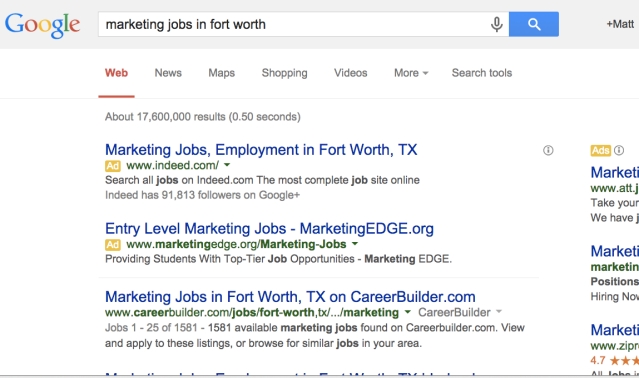
2015-01-23_13-31-27


Display ads are the search equivalent of chain letters from Nigerian princes; no one is actually stupid enough to click on them, and most have a conversion rate of under .05%, and most of those are probably accidental, considering the aggregate bounce rates of over 90%. I only throw that in there to say I, like the great majority of internet users, instead chose the first “organic” option (quotations used considering the millions of dollars spent on SEO strategy, services and support for that inbound traffic).

I was surprised, in fact, Indeed wasn’t #1 on here; it is for most job categories and searches, which probably explains why they were paying to own this one, too. This is what their business is based on entirely – owning these job slots. But in this case, my buddies over at CareerBuilder, the #2 job board, triumphed on this fairly high volume, highly targeted search term.

I clicked over to CareerBuilder and refined my search term to “content marketing” jobs in Fort Worth; the marketing jobs page I originally landed on from Google was mostly those pyramid scheme, get rich quick type pyramid schemes that get passed off on job boards as “direct sales” or “marketing specialist” opportunities. Sorry, CutCo, not sure selling my family and friends knives I have to front the cash for counts as a marketing job. But whatever.
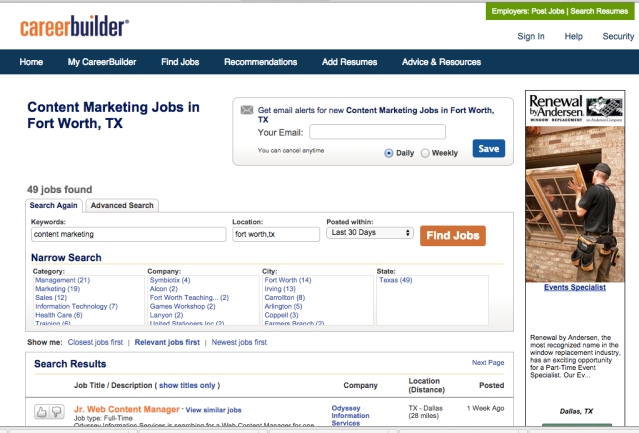
 

7 results down the list, ranked by date of posting, I found a job that kind of fit my background and level. It’s not exact, but Fort Worth isn’t exactly a hotbed of digital marketing opportunities, let alone ones in content creation for HR and recruiting, Starr Conspiracy and my living room aside.

It was for a Senior Manager, Internal Communications, for a company called G6 Hospitality. I clicked over to the job description, and noticed that G6 must have paid CareerBuilder a pretty penny, because they’d bought the package with the fully branded job descriptions.

Some sales rep convinced some clueless generalist that if they spent an extra few grand a year on their posting package, they’d get this solution, which allows them to “stand out” to job seekers by putting a face to their brand, or making sure that their employer brand was consistent across platforms, or some shit like that.

Let’s hope not, because, well, let’s go ahead and agree the 90s style disposable camera long shot and the crappy iStock photo flanking a poorly resized logo and shadow fonted mission statement do not do this company justice as an employer. Although, since this is the parent corporation for Motel 6, I suppose that this craptastic cut and paste header on here is consistent with their consumer brand.

We’ll leave the light on for you, and for the poodle sized rodents lurking in the $19.99 an hour bathroom. And yes, that is a dead hooker in the tub. Just ignore her.
 

2015-01-23_13-36-07

I then did not scroll down through the job description, again trying to replicate job seeker behavior. So, while it’s cool that there’s some Microsoft Word Art on there, punctuation be damned, no one reads that crap (which in this case, is probably a good thing). Nor do they read those really boring bulleted lists underneath the cool Tripod headers that actually says what the job does and the minimum qualifications a job seeker should receive before applying.

Nope, forget that – not when there’s an orange button at the top telling me I can just apply now.

Which is all I really want to do. So, at last, I get over to the job description, having made the decision to apply and…

I hit this sexy little landing page. Notice the clean, minimalist design that tells me I either need credentials or to create an account just to see the job description on their website. The one I just saw before clicking over. WTF? But, whatever. I decide I’ll create an account.
2015-01-23_13-38-31

So, I click on the “Register” button and it redirects me to this screen, telling me that a pop-up window should have appeared, but if it didn’t (it didn’t) then I should click the link in on that screen, rather than just linking me to that URL in the first place.
2015-01-23_13-39-39

Mind you, I haven’t even applied for the job yet, but simply to register for the privilege of submitting a resume I’ll never hear back on, I still have to provide my personal information, including e-mail, phone number and THE LAST FOUR DIGITS OF MY SOCIAL SECURITY NUMBER. For a company I’ve never heard of who apparently owns a brand that, let’s just go ahead and say, I’m not trusting with my credit card information as a rule.

No way am I giving you this normally, but in this case, I gave them 4 false numbers. I then created a log-in and password that are unique to this specific software instance at this specific employer, which I will need should I ever want to see the status of my application, modify it or apply for new jobs. And you wonder why you’ve got so many duplicate records in your database?
2015-01-23_13-40-39

I start scrolling through this window. I just want to get down to the register button so I can see the job I want to apply for. But my mouse stops, as I am required to scroll through two boxes of very small, very crowded text. These are the terms of service and privacy statement of PeopleAnswers, who makes this amazing applicant tracking system.

Normally, I’d scroll right through these – which, by the way, PeopleAnswers forces you to do, and these are long, by the way, before you’re allowed to advance to the next screen. They want to be sure they have a record you read their ToS because, well, they’re probably going to do some shady stuff with your information.

I decided to read through these requisite legal statements, which I never do. I must confess, this scared the shit out of me. Here are some gems from the PeopleAnswers User Agreement I was accepting before I was even able to apply for a job:

Terms of Use: You may be requested to provide your cell phone number. By providing such number, you authorize PeopleAnswers and the Client-Employer to call you and/or send you text messages.

Great. Nothing could ever go wrong by giving a software vendor explicit permission to call your cell, right?

“By accessing the Site, you agree not to bring, file, or participate in any claim, suit, or complaint against PeopleAnswers as a result of any hiring or termination decision made by any Client-Employer or by any other person.”

This is the first of what is about 4 pages of PeopleAnswers basically saying that they’re indemnified from any liability in every imaginable circumstance, and that the fault lies with the employer who probably bought their software for compliance and litigation mitigation to begin with.

“Your answers may also be used later by PeopleAnswers to prepare different Assessments for other Client-Employers (ones different than the Client-Employer to whom you are currently applying and in connection with which you originally supplied your answers and responses to PeopleAnswers).You grant PeopleAnswers a non-exclusive, perpetual, royalty-free license to use the responses and/or answers provided by you in any manner and through any medium in the sole discretion of PeopleAnswers (If you do not want your responses or answers used or re-used in this manner and/or an Assessment shared with any Client-Employer(s), you must click that you do not accept these terms (i.e., click the “I Do Not Agree” button) , though doing so will preclude you from using the Service or the Site.”

To view this job, I have to give this company I’ve never heard of permission to use my employment related answers to build more products to sell other companies without having to tell me, and if I have an issue with that, I’m not allowed to use this software. If I can’t do that, I have no way of legally applying for this position. Talk about Catch-22.

But I’ve come so far…

So I register as a user on their ATS. And then I start my application:

 Time: 1:41 PM
2015-01-23_13-50-59


I quickly found out that, on the first page of what turned out to be way more than I expected (not that I got any indication), there was a 10 character limit on the fields, meaning that when it asked me for the job I was applying for, I couldn’t enter the name of the position that was posted on the system that just forced me to register. I had to go with, “Mgr. Comm.” Awesome.

And if you’re wondering why we have a source of hire issue, here you go. I found this ad on CareerBuilder, which I first found through Google. Was this an ad or internet application? Since ‘ad’ was the first field, that’s what I clicked, and that’s what the company will recognize as my source of hire, even though it’s completely non-specific, a little misleading and will be useless for any further analytics like cost-per-hire or source of hire.
2015-01-23_13-53-42


I then filled out the rest of the job application. It was basically the online, fielded equivalent of a paper based application, and just as much fun. I had to provide an employer I’ve never met with a copy of my resume, and also my employment history for the last decade (capped at 7), providing the full address, supervisor name, complete salary history and contact information for each, among other information that’s really unnecessary at this step.

PeopleAnswers also required me before applying to fill out mandatory fields asking for three professional references, their contact information and how long I’d known each, and I’m pretty sure no one in their right mind would provide this information to a company who they’d just come across online for any consumer purchase. But I went ahead and filled in some stuff so the system would finally let me turn in my application, and when I finally clicked submit…TA DA! A form telling me “Thank You and Have A Great Day!”

Well, I was having one before all that shit.
2015-01-23_14-09-34

Time: 2:08 PM

I should mention that I timed this little exercise. From filling out the first field on the application to seeing that screw you message pop up on the screen, it took me exactly 29 minutes and 42 seconds. That’s a half hour of my life I’ll never get back to apply for a job I didn’t really even want.

What did I get in return? This e-mail, which, by the way, proves you are indeed thought leaders living up to the whole “hospitality” part of your brand name.
2015-01-23_14-11-30

So, yeah. That’s what one random job search looks like. You get an average of 80 of these per open job. That’s a full work week’s worth of time spent applying while you bitch about how no one’s applying for your jobs, and then wonder why it’s so hard to find talent.

Then, you ignore them to go to some webinar on candidate experience that your vendor sent you an e-mail about. After all, they’re doing such a good job.


3 Free Online Organizational Chart Template Tools from @headhunterzach

Building an Organizational Chart Template (Org. Chart) is not a new idea, in fact it’s how most name generation / phone sourcing professionals made their bones before the onslaught of social and business networking sites. Building an org chart is fast becoming a lost art in our industry today, and that’s a problem.

Creating an Org. Chart is often difficult and requires time and can be expensive if your company is not built to deliver on these demands.  Finding accurate organizational charts posted online these days are pretty slim and most crowd sourcing tools are scary at best in regards to accuracy. Thankfully there are several online tools (both free and paid) that will help users build their own org charts.

* Important * Your team will still need to do the research and provide the information to be included into the org. 

Check out our recent Phone Sourcing webinar here

Note: Before investing time into the following org chart creation tools, be sure to check and see if your current ATS already has an org chart creation function.

Here are a few uses for org charts:

  1. Business org charts show manager and employee relationships allowing your recruiters to have a deep understanding of who they are speaking with and what the persons role is within the organization
  2. Org charts show relationships between divisions, and helps you to understand group alignments
  3. Most org charts when built properly will show the chain of command making recruiting individual contributors easier and more personal in your recruitment conversations.

Here are 3 free Online Org Chart Creation Tools To Try:

CogMap

CogMap feels a bit basic in the design department and has the most limited interface out of these three tools. It allows you to set your org charts to public or private. When set to public, CogMap allows users to collaborate freely by letting them add and/or update information on the org chart. CogMap has a browse function that offer users the ability to search public charts by alphabetical order, U.S. State, Country, or Industry.

The List Builder Tool is a feature unique to CogMap that allows users to build custom call lists to make phone time a little smoother.

cogmap_Org Mapping Tool


Organimi

Organimi has a great visual element that is a big improvement over the interface on CogMap. Their tool provides the ability to actually upload personnel photos and add them to your org charts. Each chart can be viewed in the traditional org chart diagram view or in a roster style view that gives you a clean list of the personnel that you have added.

Oranimi also gives you the ability to bulk upload contacts for your org charts using a CSV or ZIP file. Another cool feature of Organimi is that it allows you to share a link to the org chart with other members of your team without making the org chart public.

[youtube url=”https://www.youtube.com/watch?v=TI-N99TECeE&list=PL6dNrWcZz7kta-eiRWPLNqiNITOsOmhSR%3Fwmode%3Dopaque” width=”500″ height=”300″]


Gliffy

If I was forced to pick a favorite out of these three tools, it would be this one. Gliffy has a very appealing interface and it is much more versatile tool than the other two in that it can be used to create different types of diagrams beyond just org charts (e.g. flow charts, Venn diagrams, and even floor plans).

If you already have an existing diagram Gliffy will allow you to upload it and work with it on their platform as long as it is in .vdx, .gliffy, .gon, or .xml format. Gliffy also has a set of diagram templates to get you started. With Gliffy you have the ability to keep your org charts private or make them public similar to the other tools here. Gliffy also gives you a collaborate option that will easily allow you to work with someone else on the same chart in their platform.

Gliffy limits the amount of storage space that you have on their free platform, but with their export and import functions it is pretty easy to maintain your org chart files on your computer or in a cloud storage service. Org charts can be exported from Gliffy in SVG, Gliffy, JPG, and PNG formats.

Check out the video below the image (I like the transition at about 35 seconds in)

Gliffy

[youtube url=”https://www.youtube.com/watch?v=nAr3Y9xyqCs” width=”500″ height=”300″]


HeadShotMain_Square_400x400   Zach Brown is a Recruiting Consultant with DBI | David Brown International based in Seattle, WA.      He blogs on trends and tools for recruiting and social media as a contributor for       RecruitingTools.com and the DBI Blog. Connect with Zach on Twitter | LinkedIn | About.me.

4 Free Boolean Search Builders

Boolean Search, though highly debated as a dead trade is still a very popular means of search online. Regardless if you are a Boolean Superstar or you still need to learn the basics of Boolean search there is a place in this game for both schools of thought.

After you watch the videos below you can check out 6 short search tutorials here to see some searches in action.

The challenge most recruiters face is the ability to create meaningful searches that return strong results.

Here are 4 Tools to help with building your Boolean searches:

The LinkedIn Custom Search Engine

The search engine is based on refinements, so your initial search should be simple. Once you run your simple search you will have the option to use the refinements listed at the top of the search engine. This is a great tool and really helps you to dig deep into LinkedIn if you are not comfortable searching on LinkedIn itself or if you need to target specific categories.

100% worth the download.

[youtube url=”https://www.youtube.com/watch?v=Z4yZU0uAloA” width=”500″ height=”300″]

[Tweet “Free Boolean Search Tool From @RecruitingBlogs”]


Jobvention Boolean builder

Jobvention is a nice Boolean search tool that is easy to use with a simple interface. It’s no cost tool that is worth the view.

[youtube url=”https://www.youtube.com/watch?v=ue_wVJ00i4U&list=UUaNLmHp2EjpxJ22sHFLMGTg” width=”500″ height=”300″]


Colleague Boolean Builder

I’ve been using colleage for a short while now and I like it. It’s not perfect but I certainly like the interface, the builder and the control that I have over my search.

[youtube url=”https://www.youtube.com/watch?v=rsJaPb5u5tg&list=UUaNLmHp2EjpxJ22sHFLMGTg” width=”500″ height=”300″]


Social Talent Boolean Builder

Most people already have heard of Social Talent. It’s a great tool, with a very clean interface, lots of control and it returns strong results. I like this tool over most because it allows you to copy and paste your searches for later use.

[youtube url=”https://www.youtube.com/watch?v=S7F7FCLFN_c&list=UUaNLmHp2EjpxJ22sHFLMGTg” width=”500″ height=”300″]


More Boolean Search Resources

The Recruiters Guide To Basic Boolean Search

Free LinkedIn Custom Search Engine and 8 Power Boolean Search Refinements

Boolean Search Strings and Life

Recruit Like It’s 2009: 6 Sourcing Tips Videos from 2009

Do these 13 things, find a lot more candidates on LinkedIn

Whether you’re in the Matt Charney camp, or the camp occupied by the likes of Irina Shamaeva and Glen Cathey, 13-LinkedIn-dos-and-donts-600x337LinkedIn is one site where you must use Boolean search to get the best results.

In light of another client engagement where consultants were missing out on huge pools of freely accessible talent, I decided to put this together to cut through a couple of the assumptions that are costing Recruiters, in some cases, the majority of relevant candidates.

Here are 13 things you need to consider to find more candidates on LinkedIn:

#1: Don’t use Asterisk*

As sourcing luminaries have been saying for years, just because you enter key words and get results, it doesn’t mean it’s a good search. This is one of the starker demonstrations of that fact.

Before even touching on anywhere else, this Recruiter’s candidate pool was increased almost 10x over.

275,872 results for Analytic*

2,519,265 results for Analytic OR Analytics

#2: Include full names of acronyms and vice versa

Looking for someone with JEE experience? Almost half a million candidates missed by not using the full name as well.

456,382 results for “Java Enterprise Edition” – JEE

[Tweet “13 things you need to consider to find more candidates on #LinkedIn”]

#3: Split words that shouldn’t be split

1,205,929 results for Offshore

153,822 results for “Off Shore”

#4: Join words that shouldn’t be joined

656,028 results for “Front End”

90,664 results for “Frontend

#5: Stem terms

Don’t stem for the sake of it (Analytical left out at the top because it gives too many false results) but always stem relevant terms. I covered this in an earlier post so won’t labour the point.

53 results for Audit AND “Interest Rate” AND ACA AND “Investment Bank”

189 results for (Audit OR Audits OR Auditor OR Auditing) (“Interest Rate” OR “Interest Rates”) (ACA OR “Association Chartered Accounts”) (“Investment Bank” OR “Investment Banking” OR “Investment Banks” OR “Investment Banker” OR “Investment Bankers”)

#6 Include abbreviations

Linkedin is more formal than other social networking sites, but not to the point of a Resume / CV. Candidates will still abbreviate their titles.

696,085 results for MGR OR Mngr

#7 Capitalise OR

If you don’t, LinkedIn will treat it as a search term.

83,549 results for Analytic or Analytics

2,519,289 results for Analytic OR analytics

#8 Save time and space 

LinkedIn’s search tends to break for me at around 1800 characters. This is considerably smaller than most major job boards so when you’re doing detailed searches, every character counts.

#9 Stop using “Of”, “the” etc and Special Characters

Don’t bother with them as LinkedIn ignores them.

Skip all of them and just write the main words. In this case, LinkedIn will do the rest.

 5,072 results for “Director of Analytics” OR “”Director -Analytics” OR “Director, Analytics”

5,072 results for “Director of -) for ( & * the by,%;’#.at Analytics”

The moral – skip all of the special characters and just use the main words. In this case, LinkedIn will do the rest

5,072 results for “Director Analytics”

[Tweet “#Recruiters should STOP using special Characters when sourcing on #LinkedIn”]

#10 Forget AND

You never need to use it, a simple space will do.

15,693 results for Audit “Interest Rate”

15,693 results for Audit AND “Interest Rate”

#11 Only use “Quotation Marks” around 2+ words together

Recruiters seem to be encouraged nowadays to put “quotation marks” around every word. This is a huge waste of time and space, it’s only needed for two or more words together.

***Unless*** you want to stop LinkedIn doing a small amount of the synonym work for you – for example VP returns Vice President as well, “VP” only returns VP (from free & Premium accounts).

1,930,315 results for “VP”

5,386,586 results for VP

#12 Stop treating LinkedIn profiles like Resumes and you’ll find more candidates

There’s a temptation to search LinkedIn profiles just like you’d search for Resumes. Particularly in niche markets, it can mean missing out on huge numbers of candidates.

Why will I miss out on candidates?  There is no spell check on LinkedIn

For that reason alone there are typos abound on profiles. Misspellings of Manager and variations are found on almost 2 million profiles. That doesn’t mean people can’t spell these words, it’s just they haven’t noticed the mistake.

1,959,666 results for Manger OR Managment OR Mangement OR Manging

Let’s look at the common misspelling below for Manager, Management and Managing

That’s a large pool of candidates to miss out on and these oversights are also found on heavyweight profiles at heavyweight companies.

Users aren’t always looking for a job 

and so don’t attribute the same level of care when creating their LI profiles as they would to their Resume/CV. They’re often thrown together in a few minutes without great consideration, unsurprisingly resulting in errors.

#13 Abbreviations

557,005 results for Mgr

Many people put their profiles together using abbreviations. I’ve noticed this is particularly common among candidates in the Financial sector but it applies across the board.

There’s the age old view of discounting candidates who “can’t spell”, but for me this is a completely different consideration on LinkedIn, for the reasons mentioned above.

Eminent misspellings include:

  • A Managing Director at Deutsche Bank
  • A Chief of Staff at Microsoft
  • A CFO at Apple

If these guys are still in work, in spite of an inability to spell correctly on LinkedIn, then that’s good enough for me.

So…

I’ve undoubtedly missed something, what would you add to this?

What have I said that you disagree with?

Which one of the above will you find the most useful?

About the author

stephen BeckittSteve spends his days trying to come up with new and innovative ways to find more talent in less time, as well as maximising results from traditional sources.

You can see more from Steve by following him on Twitter, connecting with him on LinkedIn and following him on Google +

The Worst Job Interviews Ever, Redux: Dumb and Dumber.

We’ve fundamentally changed the way we do pretty much everything in recruiting, but somehow, interviews are just as shitty and ineffective as ever.

If I said I’ve never walked into an interview thinking more about just getting this shit over than how I come across to a potential employer, I’d be lying. For one reason or another, interviews are one of those necessary evils that you’ve just got to put up with to make it in the world of work, kind of like spreadsheets, conference calls or dealing with HR Generalists.
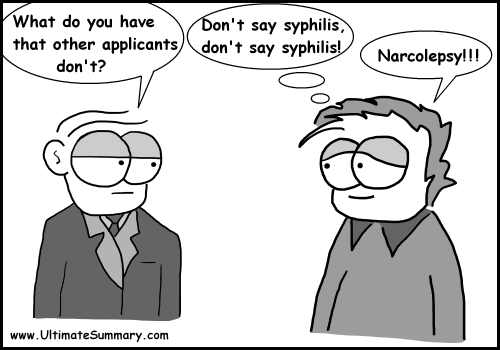
But, to be fair, my attitude might be crappy, but at least my cynicism comes from a pretty logical place.

My antipathy about interviews comes from the fact that even if you commit a glaring spelling error on your resume (my personal pet peeve – grammar is one thing, but really, people?) or hyperbolize a few of those bullet points on your resume, that doesn’t preempt you from the hiring process.

Spelling stuff wrong shows attention to detail is sorely lacking. Similarly, overstating your experience is pretty good proof that you’re lacking integrity, and even a white lie is still a lie.

These everyday occurrences should be red flags during the screening and selection process, but for some reason, lacking both veracity or validity doesn’t count as a criteria for getting hired. Interviewing, on the other hand, is seen as an imperative. You know, so you can determine things like professional values and culture fit, even if their resume and references already tell you all you need to know to knock them the hell out of process.

That’s because interviewing and recruiting are inexorably intertwined, and the job interview is seen as one of the most important core competencies in talent acquisition today. Interviews have a long legacy, after all, and even while the rest of recruiting seems like it’s pretty much always evolving, interviewing remains stuck in the status quo. We’ve fundamentally changed the way we do pretty much everything in recruiting, but somehow, interviews are just as shitty and ineffective as ever.

Recruiting Has Changed. Interviews? Not So Much.

The way hiring managers and recruiters approach interviewing is largely the same as it was decades ago; bring a candidate in, ask them a bunch of cliche questions (“What’s your greatest weakness?”) and then making some sort of flash judgement based on a combination of confirmation bias and gut instinct.

We call candidates into get to know them better, but they’re just sitting there sweating it out in ill-fitting suits that can’t quite hide their discomfort at having to go through this crap again.

Of course, the ones who normally get extended the offers are the often simply the ones who put on the most convincing act and say what they think you want to hear, not what they want to say, meaning that you never really get to know anyone by interviewing them, because you never meet the real person you’ll be working with and sitting next to every day at the office.

They say recruiting doesn’t end at onboarding, but faking it through a “culture gut check” ends almost the same second they sign on the dotted line and slip off that superficial smile and forced facade inherent to successful interviewing.

Sure, there are a ton of employers out there attempting to add some degree of innovation (or at least improved efficacy) to the interview process, from recruiting technologies like video interviewing solutions to training how to ask better, behavioral-based questions to score standardization, but their impact on interviewing has been minimal. Nope.

It’s still the same old shit, and as this video below can pretty much attest, both employers and candidates are in on the game.

But while we still haven’t figured out how to make interviews stop sucking so badly, there’s one thing that recruiters today need to figure out to address one of the most persistent problems in interviewing, one that will kill pretty much any process in its tracks. Meet the catfish.

You’ve Been Catfished

Now, I can’t help but feel a little bad for recruiters who were in this business before the internet even existed. I don’t know how many of these dinosaurs – er, industry veterans – actually read this blog, but I’m guessing interviewing was quite the circus (or freak show, depending on your candidate pool).
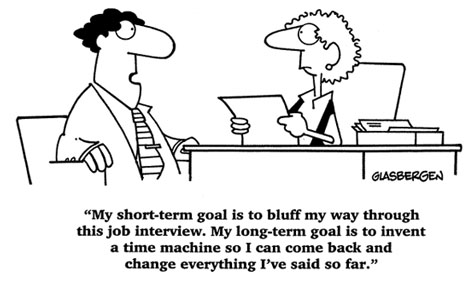
First off, without profile pictures, you had no idea what the candidate looks like, much less stalk their digital footprint so they can source the weird. Yeah, source the weird, you know, figuring out whether or not that cleaned up candidate is, in fact, a total sociopath, a complete douchebag or has some fundamental flaw that might come out once they’re actually up there with no filter in front of your key stakeholders and hiring decision makers.

Which, of course, makes you look like you don’t know what you’re doing, even if you really didn’t know what a complete and utter psycho was hiding behind that resume when you invited them in. I’m guessing this happened a lot, because I imagine there was quite a lot of candidate catfishing going on in the age of recruiting without the internet.

For those of you who haven’t heard of “catfishing,” or seen the eponymous MTV show, the Urban Dictionary (the most authoritative and august source on this sort of stuff) defines a catfish as “someone who pretends to be someone they’re not using Facebook or other social media to create false identities, particularly to pursue deceptive online romances.”

Yeah, there’s nothing less romantic than a job interview, but you’ve all heard that whole, “looking for a job is like dating” cliche, and interviews are that time when candidates have to “put their best foot forward,” which, of course, is a fancy way of saying “lie through their teeth to get the gig.” 

And most candidates are a step ahead of recruiters when it comes to online research, selectively blocking social profiles, sanitizing their statuses and using social and sites like Glassdoor to come up with stock answers to even the quirkiest interview questions – and even get insight from current employees on the types of answers that work best to get an offer.

But hey, transparency is a good thing these days, right? Even when it preempts employers from actually getting meaningful insights or information during the interviewing process.

Of course, recruiters and hiring managers are trying to fight fire with fire, and a whole array of recruiting tools and technologies have popped up out there to dig up the real dirt on candidates’ personal and professional history. But even if people aggregators have evolved into one of the hottest categories in HR Technology, and predictive analytics make it easier to forecast fit without any sort of subjectivity, job interviews can still go horribly, horribly wrong.

Why Good Interviews Go Bad

It’s amazing to me that even with all the resources out there online, from specific reviews to general advice, that so many candidates still seem to fail interviews in such an epically awful fashion.

Of course, a lot of this kind of stuff is just common sense, which the worst offenders (like the dude who spread 50 pens across the table) probably don’t have a ton of to begin with.

The bottom line for why interviews go wrong is pretty simple, I think: it’s because outside of the office, candidates are real people with real lives, and interviews require them to leave that person at the door if they want any shot in hell of working at your company – instead, they have to become sweeping, smiling caricatures instead of just being themselves.

Of course, that’s a good thing for those candidates who are so weird that their personality “quirks” just can’t be overlooked, no matter how good or in demand their experience might be. If you’ve ever hired developers or programmers, you probably already know this.

The Worst Interviews Ever, Redux: Dumb and Dumber

Just when I thought it couldn’t get any weirder than the examples outlined in my previous post, The Worst Job Interviews Ever, it turns out that I was really, really wrong. In fact, it was really just the tip of the iceberg, and elicited some really interesting (and hilarious) interviewing horror stories that would give any recruiter nightmares.

There must be something cathartic to any phrase that starts off with “oh, let me tell you about MY worst interview,” because the hits kept on coming.

The kinds of recruiters who read this site know all about weird – and have so many great stories that based on their tales from the talent trenches, I felt it was only apropos to write a second part to the original post to share some of the most hilarious and unbelievable (but true) interviews our readers have experienced, with a little color commentary thrown in for a side of snark.

1. Pants are not optional.

“You know that type of skirt that’s basically a shirt with a belt? The really short kind? Very risque? We had a candidate come to an interview wearing nothing but that and a pair of high heels. Unless you’re doing the walk of shame, pants are always a good idea when you’re trying to decide what to wear from an interview.”

2. A Note Works Just Fine, Thanks.

“The candidate returned unannounced the next day to drop off a cookie bouquet as a thank you for interviewing her. As if that wasn’t bad enough, the cookies were stale.”

3. Stupid Is As Stupid Does.

“When interviewing candidates for a special education position, one girl repeatedly referred to the students she’d potentially work with as ‘retarded.'”

4. ‘Freak’ Is Not A Protected Class.

 “My personal worst interview story ever was the girl who wouldn’t stop playing with her eyeball the entire. damn. interview.”

5. Go Sell Crazy Somewhere Else.

“I interviewed a woman who once lifted her skirt in the middle of the interview to show the interview team (made up mostly of men) the burn marks on her legs, then spoke for at least 45 minutes without allowing us to ask any questions. When we told her she wasn’t the right fit, she proceeded to bash her head against our conference table. We had to forcibly put the girl in the elevator.”


6. Taste the Rainbow, Taste Rejection.

“The interview was going fine until the applicant pulled out a bag of Skittles and started snacking while sitting directly across from me during an interview. She never said a word about them or offered me an explanation (or a Skittle).”

7. Not Lovin’ It.

“A candidate walks into my office for an interview clutching a McDonalds bag and asked, ‘Mind if I eat while we talk? I’m on my lunch hour.’


7. Recruiters Do Enough Babysitting Already.

 “The interviewee brought her baby in with her to her in person, and decided to use the HR waiting area to change its diaper. And this is before we even got started on the actual interview.”


8. Landing in Jail Won’t Land You A Job.

 “One lady left her 18 month old in the car (in the heat) in our parking lot for her interview and ignored all announcements on the BUILDING intercom paging the owner of a gold BMW with the license plate ‘Rocky’ (I’ll never fotget that detail). She admitted it was her car only when building security literally walked INTO my office unannounced and asked her, point blank, 30 minutes after the first announcement, whether or not it was her car. The police had already arrived by then…”


9. Recruiters Can Make Interviews Awful and Awkward, Too.

“I had a former colleague who, despite being a professional recruiter, regularly asked candidates inappropriate questions such as: ‘How do you feel you were emotionally impacted by your parent’s divorce – give me an example?”

I had a former colleague who used to ask inappropriate questions as an interviewer such as: “How do you feel you were emotionally impacted by your parent’s divorce- give me an example?”


10. It’s All About Asking the Right Questions.

What’s your most awkward, awful or just plain weird interview story ever? Can any of these tragic talent tales be topped? Why won’t you let us know by leaving a comment below?

Aren’t rhetorical questions the best thing since adding these unnecessary italicized addendums to try to drive onsite engagement? Can you sense sarcasm when reading a blog post?  Here’s hoping.

Recruiting Videos Don’t Have To Suck.

maxresdefaultThere’s a ton of talk out there about how important it is for recruiters and employers to incorporate video into their talent attraction strategies, but the truth is, there’s no competitive advantage when everyone’s doing the same thing – and recruiting videos have quickly moved from the margins to the mainstream, from cutting edge to cliche.

The soft lighting and stock office images so pervasive to this nascent genre are every bit as boring as the bullet point ridden job descriptions they’re purported to replace, and every bit as forgettable.

That is, if candidates even take the time to watch – and the truth is, most don’t -those who actually press play are likely to tune out a recruiting-related video after about 15 seconds, on average. 

That’s not a whole lot of time to get any sort of message across – much less one that’s meaningful enough to transform a passive viewer into an active applicant. And because it’s a matter of time, there’s no better time than now to start rethinking your video recruiting strategy.


From Saga to Sound Bite

c7e3084a0b6b0c7b9f090980dfbf790fOn its list of its 15 top recruiting videos, job search site Good.co provides a pretty good compendium of recruiting video case studies, including the usual suspects from big brands like Twitter, British Airways and AT&T.

Sure, their budgets are bigger than yours, but if you take a closer look at Good.co’s best recruiting videos (or any similar list, and there are a whole lot of them out there), you’ll see some pretty obvious patterns emerge, even if meriting mention on this sort of B2B listicle is likely completely arbitrary and totally subjective.

The most obvious: keep it short and sweet. Of this list of 15, not a single video was longer than four minutes; most were no more than a minute or two in length, bite sized chunks of career content that’s consumable and compelling. The less time it takes you to get your message across, the more likely it is to be heard by the talent these videos are targeting.

While the concept of “social recruiting” largely focuses on how job seekers and employers can leverage networks like Facebook or LinkedIn, it’s important to remember that such sites place a premium on videos, which outperforms all other forms of content across social platforms in terms of engagement and reach.

Similarly, conversations about “mobile recruiting” often ignore the fact that over 50% of video content is viewed from devices other than a desktop, and mobile viewers are more than twice as likely to answer a video-based call to action, such as registering for a talent network or applying for a job. This means if your mobile recruiting strategy is missing video, you’re missing out.

Recruiting Videos: No Budget, No Problem

cartoon4131While most of the “best recruiting video” lists out there include companies with Bruckheimer sized budgets, you don’t need to spend a whole lot of money or dedicate a whole lot of resources into producing high quality video content.

Using sites like Fiverr or ODesk, you can easily get elements like professional whiteboard animations, scripts and voiceovers from outsourced talent for little to no cost, meaning that most 1-2 minute videos can be completed and professionally packaged for $100 or less.

Of course, doing it yourself isn’t that hard, particularly with DIY editing suites like iMovie or ProTools and stock footage available from sources like Getty or Shutterstock, meaning you don’t even necessarily need a camera to make a recruiting video, much less a cast or crew.

This approach obviously has a little bit of a learning curve attached, but with many agencies charging several thousand dollars per minute of completed corporate video, it’s definitely pretty easy to make a business case for investing the time in learning the basics of inline editing.

It’s important to remember that video should augment, not replace, existing recruitment marketing and job advertising initiatives; like any integrated marketing campaign, the messaging and communications should be consistent across platforms and help tell a part of your bigger employer brand story rather than trying to capture your entire culture or employer value proposition.

This can always be supported by other content, but it’s important to remember, when it comes to videos, if it’s not short and sweet, you’re pretty much screwed.

Welcome Back to MovieFone!

hqdefaultOK, so you’re probably not going to be calling an 800 number to hear listings of local movie times, but there’s a good chance you are going to be using your phone to actually watch movies. As mentioned before, more video content is consumed via mobile than anywhere else. So too are more job searches – 3 out of 4 candidates report to having used smartphones or tablets as part of their most recent search, according to a recent LinkedIn report.

This means, just like it’s important to ensure your company career site and application process are optimized for mobile (even if most employers wantonly ignore this obvious advice), it’s also important to make sure any recruiting video content you produce is mobile friendly.

Mobile friendly videos require remembering the smaller screen size and using close ups and large texts instead of the long shots with small writing that many recruiting videos often favor, and making sure that the files aren’t too laden with unnecessary after effects or multiple layers of HD graphics so that they’re not preempted from any sort of bandwidth or data limitations.

The more clean and less visually complex your recruiting video ultimately is, the better the chances are that it will display properly when rendered on social sites and third party platforms like job boards and mobile apps (or, increasingly, a combination of the two).

You’re probably not going to go viral, so stop worrying about being the next big thing and start doing this small stuff right – and you should start seeing better recruiting video results in no time. For real.

The Recruiters Guide To Basic Boolean Search

Boolean Operators, Boolean Search, Ninja style back flip search, however you want to slice it, it’s still a trending topic across many recruiting circles. Be this as it may, most recruiters are simply lacking in their ability to perform the most basic of basic searches. This post is not provided as a strategy or a “how to search” article, rather a simple introduction into the terminology you may hear being around the water cooler.

Here are the questions we hear most often:

Why should I learn Boolean Operators if my jobs are posted online and my company has an ATS with search functions?  Is it that valuable?

Leveraging Boolean Search allows recruiters to search for candidate information across a number of channels including their ATS, online search engines like Google, Yahoo!, Bing and most of the other thousands of search engines available. If you’ve never heard of Boolean Search, you can print this out and study up when you’ve got some time.

What is the real value of Boolean Search for a recruiter?

It’s ok to ask this question. Experienced recruiters debate this topic every day all over the web. Without having to feel shamed by more experienced recruiters (who think they know more then they actually do) here are the basics. Without getting deep into the woods on this question, Boolean Search allows recruiters to find things like resumes, cover letter, files, and contact information that are stored online. Sources of this information (most often for a recruiter) may be resume databases, personal websites, job boards, social networks and online files storage sites.

Learn the Basics of Boolean Search

At its most basic level (in relationship to what a recruiter needs) Boolean Search is a search allowing the inclusion or exclusion of documents containing certain words through the use of operators such as AND, NOT and OR.

The commands we have shared below tell search engines what you are looking for and help to filter results to displaying candidates / resumes / profiles of potential leads for your search.

Boolean Operators For Recruiters

AND / &

The command AND (&) will return results containing all of your specified keywords or phrases.

Software AND Designer AND Engineer will return results that include all three terms searched.

You are not required to use the operator AND when using Google. Google infers the operator AND in place of using a space between your terms.

OR / | (pipe, not an I)

The command OR (|) will return results containing at least one of the requested terms or phrases from your search.

Engineer OR designer OR architect will return results that include at least one of the terms listed in the search.

“”

This command should be used if you are looking to see results with the exact phrases or spelling of a term. Without using the quotation marks your search will be interpreted as an “AND” between the spaces / words.

Software Engineer will return results with the term Software as well as the term Engineer.

“Software Engineer” however, will return results with the phrase Software Engineer. Placing the phrase in “” tells the search engine you are looking to see results with this exact phrase.

– / NOT

Using the minus sign or the term NOT before the keyword or phrase will tell the search engine that you want to exclude this particular set of terms.

-“Software Engineer” will return results without the phrase Software Engineer.

This will not however exclude variations of the phrase or similar phrases such as Software developer.

Asterisk or *

The * can have different powers depending on where you are searching. For example on some job boards like Monster.com using the * simply truncates the term.

Manag* will return results such as manager, managing managed

However, using the * while search with Google will return a unique set of results. Google interprets the * as your request to “fill in the blank” The direct definition is “one of more words”

If you are looking for a specific job title such as a Software Design Engineer and you are unsure of how other companies might title this job internaly you can search for “Software * Engineer”.

This search in interpreted as the phrase “Software –one or more words- Engineer”.

Potential results might be:

  1. Software design engineer
  2. Software development engineer
  3. Software test engineer
  4. Software applications engineer

() Parentheses / Brackets

This command is used for grouping Boolean phrases or like words. There are many techniques as to how a recruiter may or may not use the operator.

I like to recommend that people think algebra and how you use () to prioritize your equations.

In this example (nurse OR “nurse manager”)(CHOP OR children’s OR pediatric) will return results with both sets of keywords.

Why can’t I simply add all of these terms into 1 () or an OR search?

That’s a great question. The answer is that if you did this you would be telling your search to return any results that have the term nurse or nurse manager or chop or children’s or pediatric. In reality you are really looking for a someone with the job title of a nurse or a nurse manager AS WELL AS experience with children or working at CHOP in pediatrics.

Intitle:

Using this operator will tell the search engine that you want to see results that have a specific term within the page title.

If you search intitle:resume then your search results will have the term resume in the title of the page.

Inurl: 

Using this operator will tell the search engine that you want to see results that have a specific term within the page URL (The address of the website)

If you search inurl:resume then your search results will have the term resume in the address of that page.  If you were to search inurl:shoes then the URL will have the term shoes in the website address.

Inbody:

Using this operator will tell the search engine that you want to see results that have a specific term or phrase within the body text of the page results.

If you search inbody: “night shift manager” your search results will have the phrase “night shift manager” within the body of that result.

Filetype:

Usig this operator will allow you to target specific filetypes. You can tell your search that you only want ot see results that are word docs or pdf’s or excel sheets.

Filetype:doc will return results that contain word docs whereas filetype:pdf will return results that contain only PDF’s.

This is best used to narrow your search to resume documents or to target filetype:xls for lists and excel docs.

Within “X”

Using this operator will allow you to find a word within a certain radius of another word.

If you search Automation within 3 developed, you will see results that show the term Automation within 3 words or less of developed.

“Software Engineer” within 4 “Managed” will return results that show the phrase Software Engineer within 4 words of managed. Ideally this will help to identify Software Engineers with managerial experience.

Group

Using the operator Group will allow you to specific target interest groups in your search.

If you search Group: “java Developers” you will find that most of your results will be Google groups dedicated to Software Engineers”

Related and Similar

Using this operator will find results that are similar or related to the search criteria.

Searching related:football will find all results similar or related to football.

Tilda(~)

Using the ~ operator will allow you to search 1 term and find results on similar term or synonyms of the term you are searching.

Search the term ~cold will also return results with the term freezing, chilly, tundra etc.

Country codes

If you are targeting specific countries in your search be sure to target the proer country code. You can find the entire country code list here.

You can target this in your search by using the following syntax: url:coutnry code

url:uk

url:de

Get a country code list here

The Recruiter’s Guide To Inbound Marketing

Recording Coming Soon!

You already know all about the intersection of recruiting and marketing. But leveraging marketing for maximum return on your recruiting results means going beyond just building an employer brand. It means making that brand  and the story behind it compelling.

When warm leads are coming directly to you, there’s no such thing as a cold call. With inbound marketing, you can stop looking for leads and start building relationships.  This helps make better hires cheaper and faster than ever before.

Thanks to our sponsor for making this webinar possible!

This webinar will show you what inbound marketing is and how to incorporate it into your recruitment marketing mix.

You’ll learn:

  • What Is Inbound Marketing and why recruiters should care
  • The 4 Stages  and how it fits in with your hiring process and recruiting strategy
  • The Best Content for converting passive visitors into candidates
  • The Best Traffic Sources for generating qualified candidates
  • The Buyer’s Journey and the psychology of candidates during the inbound marketing process
  • Measuring Success through building benchmarks, meaningful metrics and actionable stats – and how these numbers add up for recruiters.
  • Specific Campaign Examples from some early adopters already getting inbound marketing right in recruiting and talent acquisition


The Worst Excuses Ever for Being Late To Work.

funny-traffic-signWhile most of you still digging your way out from Winter Storm Juno (where do they get these names?) this week are probably going to hate me for saying this, but I envy you guys. Back when I lived in Boston, there was perhaps nothing I loved more than a good snowstorm. They always struck me as some sort of meteorological miracle, starting with that e-mail the night before the system’s supposed to hit giving you permission to work from home the next day.

This means, of course, that you get to snooze during the time you’d normally be commuting, can trade in your cube for your couch and work in a robe (no one on that conference call has to know you’re not wearing pants).

The Dude abides. For sure.

If you’re forced to go to work on a snowy day, for whatever reason (generally because it snows just enough to screw up your commute but not enough to cancel it), then at least you can show up a little late to work knowing you can always play the “traffic sucked” or “the ice was causing all kinds of accidents” card.

Hey, you were committed enough to slog through the snow to the office, so you’ve definitely built up a little workplace karma, right?

Not that I’d ever do such a thing, since I’d feel a little weird publically admitting that maybe I’ve fibbed a little about getting to work on time. I am aware that most of the people reading this post work in HR, and loathe tardiness or absenteeism of any sort  – but I guess that I can’t get written up for a blog post. And I think there has to be some sort of statute of limitations on “time theft” (what a ridiculous term, right?).

Not that I personally would ever think about doing something so egregious – this is all purely hypothetical, of course. Hey, former employers who might be reading this: all I can say is love ya, mean it! 


But were I to actually, you know, add a little hyperbole about the traffic or hypothetical acts of God like the power going out so the alarm clock didn’t go off, I know I wouldn’t be alone. I think all of us can sit and silently nod that maybe, just maybe, at some point the thought of showing up a few minutes late with some BS excuse has crossed your minds.

A few of the more rebellious of you out there may even have gone through with this dastardly deed, but I don’t judge. Everybody does it. Don’t believe me? The latest study from CareerBuilder provides pretty definitive proof that we might be less than truthful with time and attendance.

Pretty Little (Lucky) Liars

4e2e9a0c66f1035def5c8daa34fc8e78The CareerBuilder report, released on January 29, asked more than 2,100 hiring managers and HR leaders, along with more than 3,000 workers from a broad scope of industries, titles and job levels, to try to get perspective from both parties on the excuses – and consequences – of being late to work.

Turns out, most of us are not only late for work once in a while, but the majority of us are also big fat liars loathe to fess up to the real reason they’re running behind. In fact, fully half of the people participating in the survey indicated that they’d used the “bad traffic” excuse at least once before; a full 23% admit to doing this monthly (or more).

It’s the professional equivalent of “my dog ate my homework,” so maybe it’s time to rethink your approach next time you have to come in on a snow day.

Lucky for all of us liars out there, turns out employers don’t make as big a deal out of this sort of stuff as you’d probably think. In fact, 33% reported having “no problem” with workers occasionally arriving late, provided it doesn’t become a pattern or impact performance. Another 16% say that they don’t care about punctuality at all, as long as the work gets done.

Then, there’s that guy.

Don’t Be THAT Guy.

That-GuyYou know who I’m talking about. That co-worker of yours who always seems to roll in a few minutes after everyone else arrives, yet somehow manages to simultaneously sneak out a few minutes early every evening. We all work with at least one of those lazy sons of bitches.

CareerBuilder found out that, in fact, 14% of employees are the kind of douche who shows up late at least once a week – and that number is likely low, since these are only the ones who will actually admit to it.

Of course, when every week there’s some sort of issue that keeps an employee from showing up at the standard time, it’s only natural to start questioning why, exactly, they can’t seem to get their shit or schedule together.

And often, that due diligence leads to dire consequences for endemically tardy employees – fully 42% of employers have fired at least one worker for being late. Which might be a win-win, since they no longer have to come into the office or worry about showing up on time, I suppose.

And while getting shitcanned sucks, having “that guy” on your team has some tangible benefits, too. Chronically tardy employees for whom no excuse, no matter how vapid or unbelievable, is out of bounds basically come across like total idiots, which, as a manager or co-worker, can be kind of hilarious.

Sure, even though the whole team saw those drunken party pics you posted on Facebook in the middle of the night, we enjoy watching you squirm your way through the latest lie. The dumber or more asinine, frankly, the better – “that guy” and his epic tales of tardiness are something to actually look forward to at work. Even if they totally suck as a professional and as a person.

Which brings us to the best part of the CareerBuilder study. Turns out there are so many “that guy” workers out there, they were able to put together a pretty hilarious list of the worst excuses employees have used for being late to work.

While they’re obviously idiots for thinking anyone would find these credible, and probably not the kind of person you want as a colleague or co-worker, you’ve got to admire these guys for at least having the guts to go beyond the standard fabrications or cliched justifications for being late and getting creative with their excuses.

Here are the worst of the worst excuses for being late to work highlighted in the CareerBuilder report – and they are hilarious.

The 10 Worst Excuses Ever for Being Late to Work

1. I knocked myself out in the shower.

tumblr_lq54k02NIb1qlex67o1_500

2. “I was drunk and forgot which Waffle House I parked my car next to.”

tumblr_inline_mm6exzcuLg1qz4rgp

3. “I discovered my spouse was having an affair, so I followed him this morning to find out who he was having an affair with.”

sam-pucket-feel-the-awkward-icarly

4. “Someone robbed the gas station I was at, and I didn’t have enough gas to get to another station.”

tumblr_mboh6rV71P1r6h22v

5. “I had to wait for the judge to set my bail.” 

tough-guy_o_1233682

6. “There was a stranger sleeping in my car.”

giphy (1)

7. “A deer herd that was moving through town made me late.”

91113d83d8a761c5dfd5b8d8657368ff

8. “I’m not late. I was thinking about work on my way in.”

tumblr_m2c9psE8Df1qzbl7f

9. “I dreamed that I got fired.”

c5986d4363092bb70624c1b383464a6b188f2542b151e250d52378a1cd814bb6

10. “I went out to my car to drive to work, and the trunk had been stolen out of it.” Side note: In this case, the employee actually had photographic evidence that they weren’t lying, just having an epically shitty morning.

curse

OK, your turn. What’s the most outlandish, ridiculous, silly or just plain stupid excuse you’ve ever heard for why an employee’s running late? What’s the worst one you’ve used yourself?

We won’t tell anyone – but we might just give you props if you can beat these 10 worst excuses in the history of ever – which is a pretty hard believability benchmark to beat. And that’s no lie.